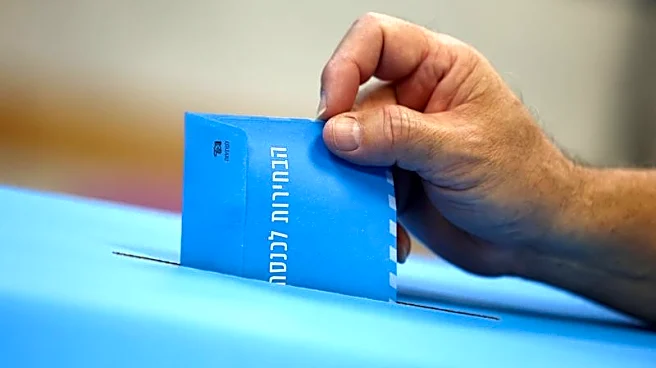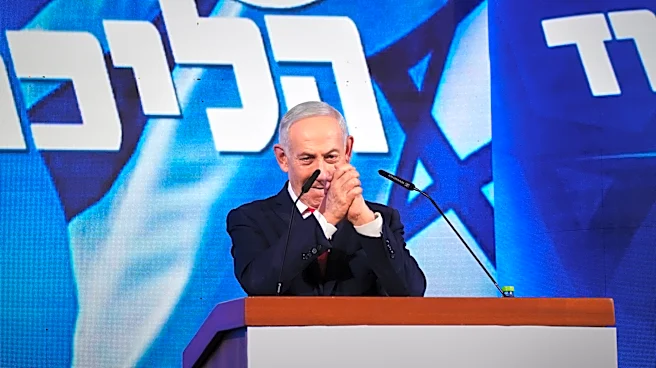






JERUSALEM (AP) — Final election results are expected Thursday evening in Israel, where neither Prime Minister Benjamin Netanyahu’s bloc nor the opposition — excluding Arab-led parties — is on a path to a majority in parliament.
Weeks of negotiations to build a majority coalition lie ahead. One scenario sees Jewish and Arab-led parties joining forces to oust Netanyahu. Another sees opposition parties that campaigned on ousting Israel’s longest-serving
prime minister teaming up with him instead. Both possibilities have prompted bitter debate in an already divided country.
Here’s what to know about what comes next:
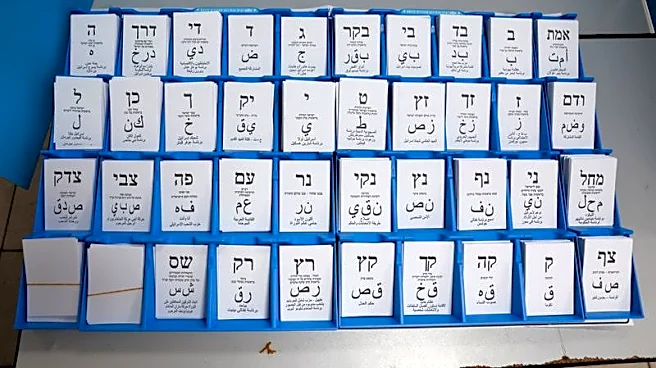
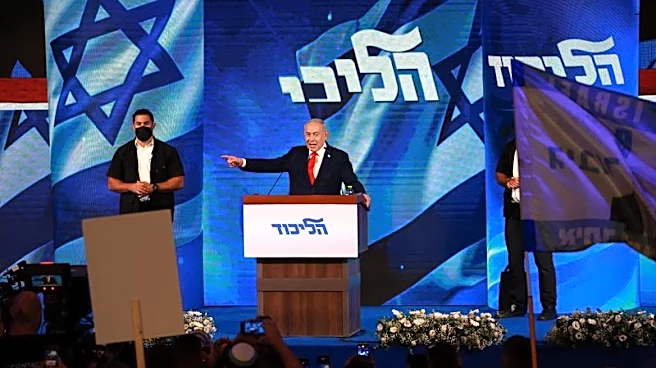
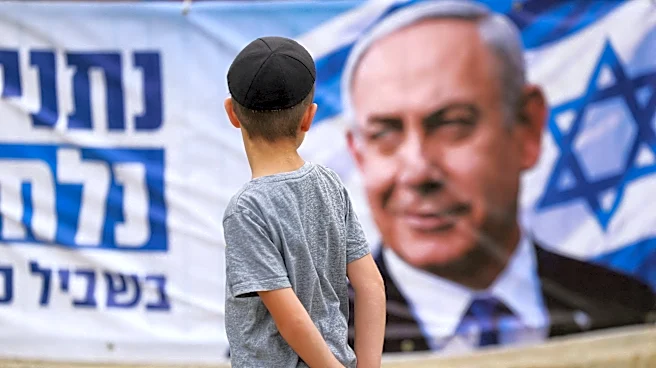
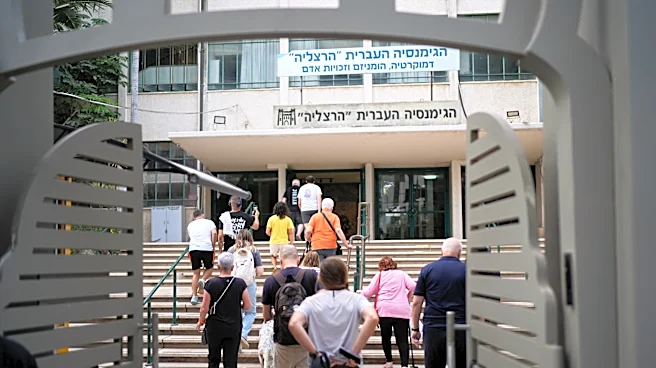
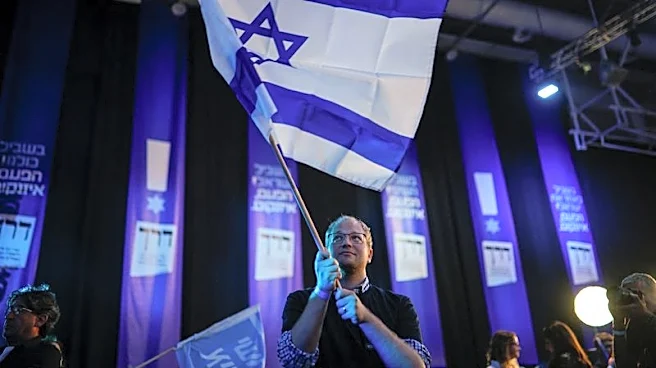
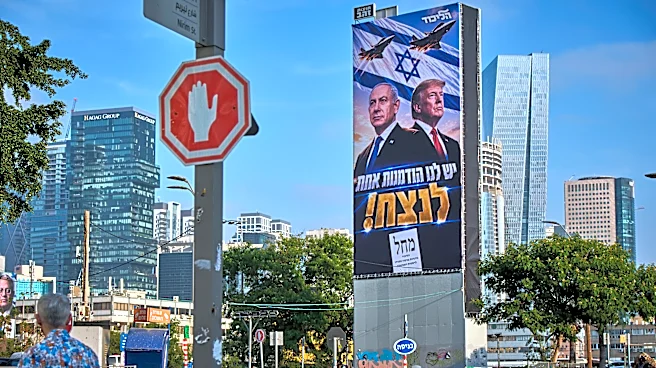
The election was widely seen as a referendum on Netanyahu. His party, Likud, received the most votes but lost support compared with the previous election in 2022. Voter turnout was 77%, the highest since 1999.
Support for far-right parties in Netanyahu’s coalition dropped significantly, putting his bloc below the 61 seats needed to form a government.
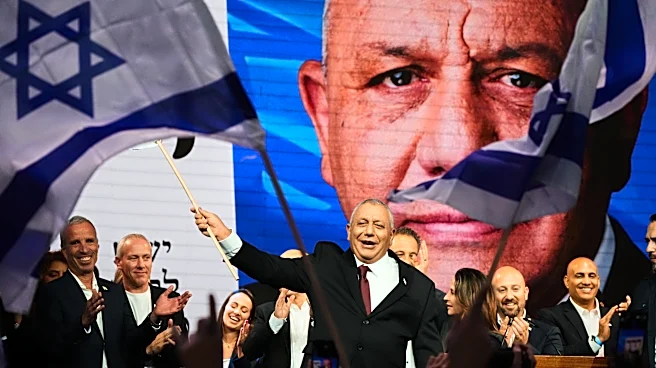
Local media projections show Netanyahu's main rival, Gadi Eisenkot, also would need support from other parties to secure a majority in parliament, the 120-seat Knesset.
Israel's president soon will task someone with forming a government. If multiple attempts to do that fail, the country could face new elections early next year.
Arab-led parties were clear winners in Tuesday’s elections. Eisenkot has left the door open to partnering with them under certain conditions, including recognition of Hamas as an extremist group, but some of his other likely partners have ruled it out.
Netanyahu refuses to form a government relying on Arab parties. Now he and his Likud party are accusing them of stealing the election and asking the elections committee to investigate. Likud has not shared evidence supporting the claim.
Separately, the elections committee has asked the Shin Bet intelligence service to investigate allegations of unspecified foreign interference. While the letter making the request does not mention the Arab-led parties, Netanyahu cited it in arguing that no party should cooperate with them.
Netanyahu's opponents have accused him of using scare tactics and trying to create a narrative to further discrimination against Arab-led parties and Israel’s Arab citizens, who make up 20% of the population.
The election was held against the backdrop of the trauma of the Hamas-led attack on Oct. 7, 2023, when militants killed 1,200 people, mostly civilians, and abducted 251 others, and the ensuing wars in Gaza and beyond.
The deadliest day in Israel’s history featured prominently in the campaigns. Israelis focused on the security failures surrounding Oct. 7 rather than on the humanitarian situation in war-devastated Gaza.
Netanyahu has rejected an investigation into Oct. 7. His supporters say he led the country back from that difficult day and scored important achievements in wars in Gaza, Lebanon and Iran.
Some of Netanyahu’s opponents have said creating a commission of inquiry would be among their first acts in power.
The country also has been deeply divided by exemptions from military service granted to the rapidly growing ultra-Orthodox population. The exemptions are especially contentious after three years of wars.
Netanyahu’s governing coalition has long relied on ultra-Orthodox Jewish parties that have demanded the exemptions remain in place. Eisenkot, who lost his son to combat in Gaza, has vowed to end the exemptions.