






ANKARA, Turkey (AP) — Turkish legislators on Thursday ratified a defense cooperation agreement among Turkey, Pakistan and Saudi Arabia as Riyadh seeks increased regional support in its conflict with Iran-backed Houthi rebels in neighboring Yemen.
The vote also came as countries in the region remain anxious about the prospects of a new escalation in the U.S.-Iran war, which would likely spill over into neighboring countries. During previous rounds of fighting,
Iran has lashed out at U.S.-allied Gulf Arab countries, including Saudi Arabia.
The 16-article Mecca Joint Defense Agreement, signed in August, commits the three countries to regard an attack against one as an attack on all three, to work together to deter threats and deepen military cooperation, share intelligence and strengthen defense industry ties.
It was approved by 279 votes to 119 in the 600-seat parliament, despite objections from opposition parties who argued that the agreement could embroil Turkey in regional wars and put Turkish soldiers in harm’s way.
“They brought this agreement to send Turkish soldiers to the deserts of Yemen," said Murat Emir, deputy leader of opposition New Party lawmakers. The loss of Ottoman soldiers in early 20th century conflicts in Yemen looms large in Turkish cultural memory.
Fuat Oktay, chairman of parliament's foreign affairs committee and a member of President Recep Tayyip Erdogan's ruling party, said Turkey would “not be drawn into an uncontrolled process against its will.” He added that the deployment of troops would only be possible with future parliamentary approval.
The Turkish officials have said Ankara is considering sending military assistance to Saudi Arabia but insist that the agreement is defensive and that no Turkish troops would be deployed to fight in Yemen or to attack the Houthis.
Turkish troops, backed by a rapidly developing defense industry, make up the second-largest military in NATO. Any deployment of Turkish troops would require a separate approval by Turkey’s parliament.
Turkish and Pakistani officials have stressed that the agreement does not target Iran or any other country.
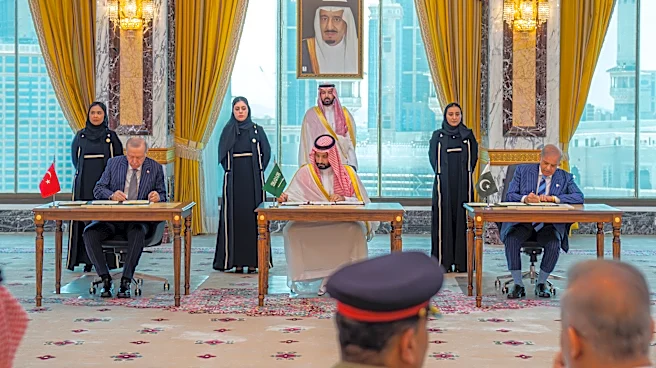
The agreement was signed in the Saudi holy city of Mecca by Saudi Crown Prince Mohammed bin Salman, Erdogan and Pakistan’s Prime Minister Shehbaz Sharif. It is seen as part of Saudi Arabia’s efforts to reduce its dependence on the United States and diversify its security partnerships.
The deal showcases how close relations between Saudi Arabia and Turkey have grown, after being highly strained just a few years ago, including over the killing of Saudi journalist Jamal Khashoggi in Istanbul by Saudi operatives.
Ministers from the grouping have already met twice — in Istanbul and in Riyadh — while high-level delegations from the three countries held talks in Tehran last month to try to avert renewed fighting in the Iran war.
During their meeting in Riyadh in September, the three countries agreed to immediately implement what they said were their collective defense commitments, including arrangements for the rapid deployment of agreed upon military forces and capabilities to Saudi Arabia. They did not elaborate.
Syrian Foreign Minister Asaad al-Shibani said last week during a conference in Bahrain that discussions were underway about Syria joining the pact. Syria has close relations with both Turkey and Saudi Arabia, and joining the pact could give it more strategic leverage against Israel, which has launched strikes in Syria and occupied part of the country’s south since a rebel offensive ousted former Syrian President Bashar Assad in December 2024.
A Turkish official confirmed that the issue of Syria joining is being discussed, but said the existing members of the pact were focused on efforts to "institutionalize” the agreement and until they do, “there will be no question of any third country participation.” The official was not authorized to publicly discuss the issue.
According to the agreement, the grouping’s secretariat will be based in Saudi Arabia, and retired Pakistani Gen. Nauman Mahmood has been selected as its first secretary-general. He will serve a three-year term.
The pact binds the parties for 10 years, after which they would need to provide a three-month notice to leave.
__
Andrew Wilks contributed from Istanbul.