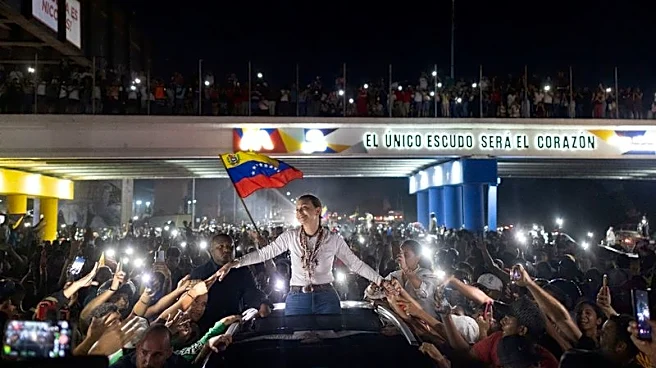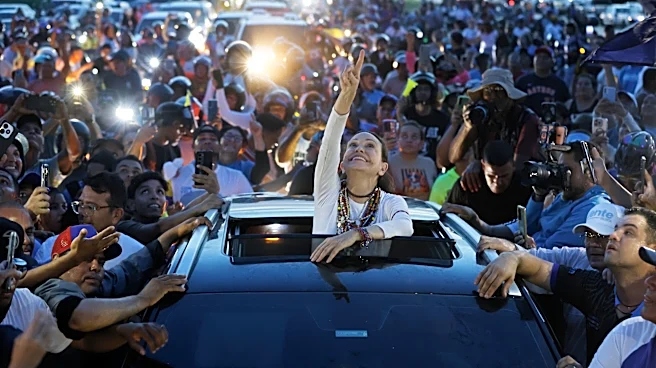



CARACAS, Venezuela (AP) — Following her return to Venezuela, opposition leader María Corina Machado said on Thursday in her first public statements that the transition in the South American country is moving irreversibly toward a presidential election in 2027, while denying any contact with interim president Delcy Rodríguez.
Machado arrived at a university campus in Caracas where, amid anticipation after 10 months in exile, she reiterated that her priority
in this process will be “the complete dismantling of the repressive system and the release of all our political prisoners.”
Machado won the opposition’s presidential primary with more than 90% of the vote in the lead-up to 2024 presidential elections. But ruling party loyalists who control the country’s judiciary kept her from appearing on the ballot, which forced her to throw her support behind former diplomat Edmundo González.
A count by the opposition showed González won by a wide margin, but electoral authorities allied with former President Nicolás Maduro declared him the winner. The U.S. recognized González as the winner and later captured Maduro to face drug trafficking charges in a Jan. 3 raid.
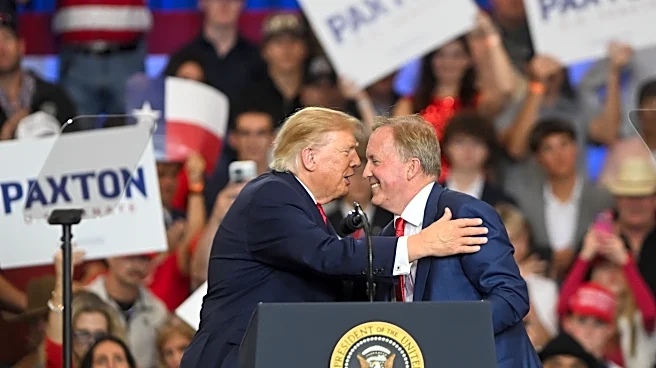
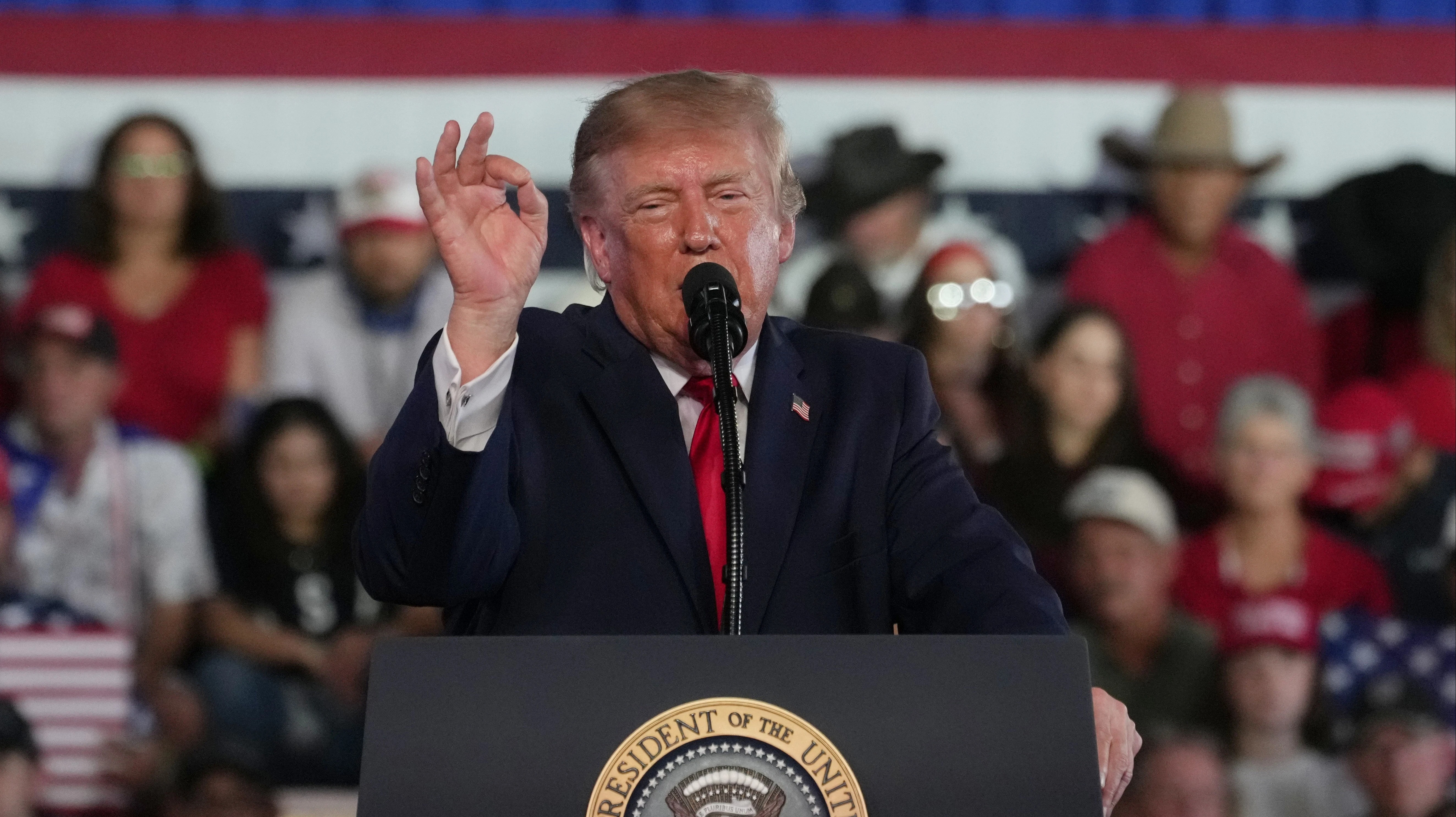
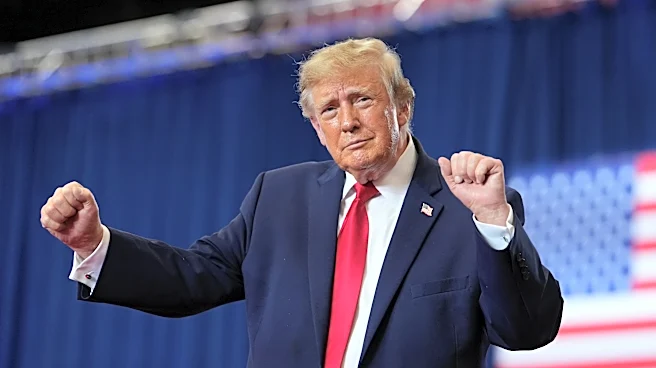
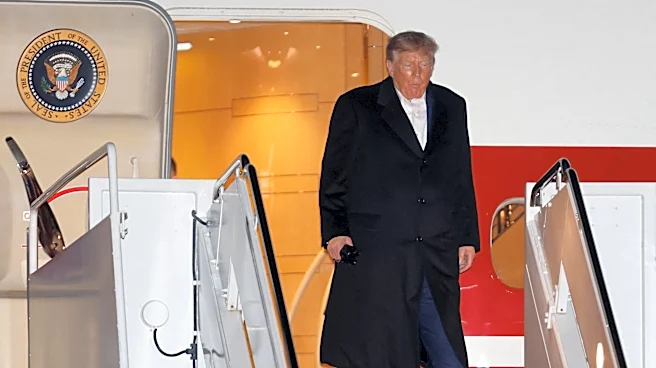
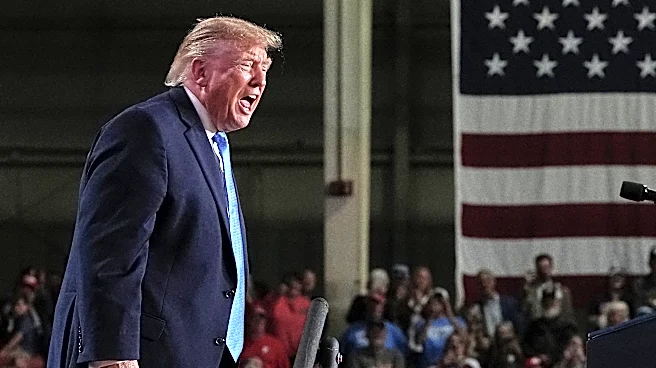
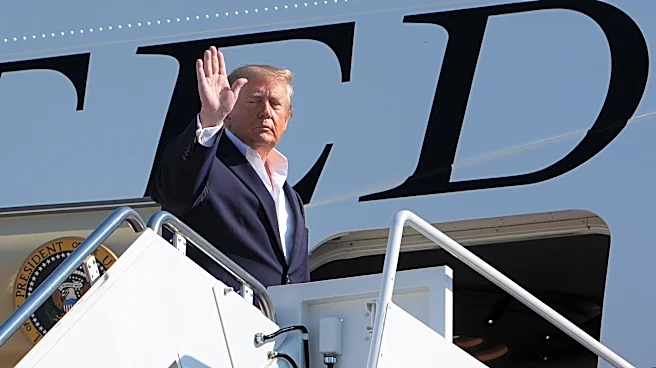
The politician’s return on Sunday occurred during a climate fraught with doubts about Venezuela’s democratic future and the role of the United States. The leader said she would maintain a strong relationship with the administration of U.S. President Donald Trump, who she presented with her Nobel Peace Prize in a symbolic act this year.
“Thanks to his actions on Jan. 3, the door to freedom has been opened, which will allow Venezuela to move toward a democratic transition and consolidate our country as the greatest ally the United States has ever had in our region,” Machado said.
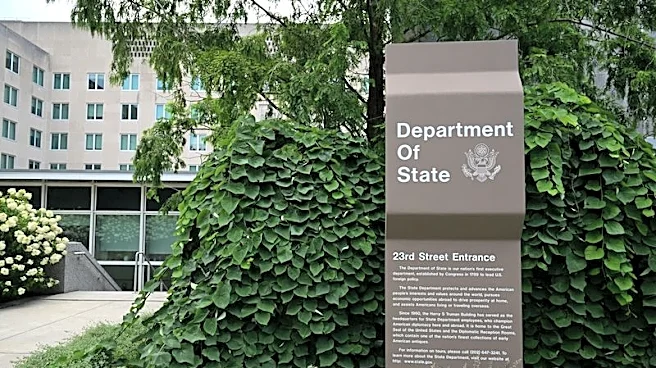
Machado believes that the three phases presented by U.S. Secretary of State Marco Rubio for political change — stabilization, recovery and transition — continue to move toward “holding presidential elections in 2027."
When asked about a possible meeting with the interim president, the politician said she had not received any message from her or from Washington.
Shortly before the opposition leader’s public statements, President Rodríguez assured the nation in a message that there “will be elections” in Venezuela, without specifying a date.
The interim president stated that the elections will be organized by “a renewed electoral authority and with the world as witness.”
“The election should not be a problem nor should it take us back to times of confrontation that no one wants anymore,” Rodríguez said.
The Nobel Peace Prize laureate’s return came after seven failed attempts that opposition activists claimed were thwarted by the Venezuelan government, raising doubts about the possible involvement of the Trump administration, something the U.S. government has denied.
Rubio affirmed that the “safe” return of the politician was the result of the “reconciliation talks” supported by his country, which he considered “the best opportunity” Venezuela has had in three decades to achieve free and fair elections and a lasting democracy.
Neither Machado nor her political platform are participating in these dialogues, although she stated that she will not obstruct them.