



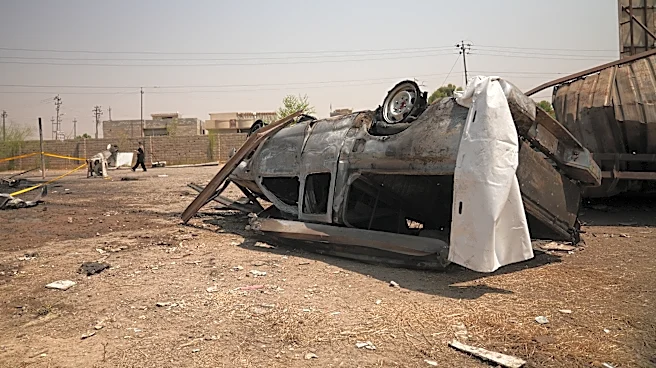
The U.S. and Iran each fired barrages of missiles Thursday, as the pattern of back-and-forth strikes took hold again and hope dimmed for any quick resolution. After a brief respite, the risk of a return to all-out war emerged once more, with the fighting threatening to engulf even more countries. Jordan said Thursday it intercepted Iranian missiles for the second consecutive day, while Kuwait said a strike in the northern part of the country killed
one person.
Todd Blanche’s nomination to become attorney general stalled Wednesday as lawmakers scrapped a planned committee vote after key Republicans demanded more assurances about the settlement of President Donald Trump’s lawsuit against the Internal Revenue Service.
Most Americans say the war in Iran has not been worth fighting, and Trump’s approval rating on Iran has fallen slightly since last month, according to a new AP-NORC poll. The results are a stark repudiation of Trump’s approach to the conflict, which has dragged on far longer than he originally predicted.
Here's the Latest:
Many Americans continue to be concerned about the pocketbook impact of the Iran war, the new poll shows.
About 7 in 10 U.S. adults — 72% — say it’s “extremely” or “very” important for the U.S. to prevent domestic oil and gas prices from rising, up slightly from 67% in March.
A similar share, 70%, say it’s highly important for the U.S. to reach a ceasefire agreement with Iran.
Americans’ goals for the Iran war may not be fully aligned with Trump, who has repeatedly said the war was launched to keep a nuclear weapon out of Iran’s hands.
While about two-thirds of U.S. adults say it’s “extremely” or “very” important to keep Iran from gaining a nuclear weapon — with Republicans especially likely to say this — Americans are more likely to prioritize low gas prices and a permanent ceasefire with Iran.
Most U.S. adults say the war in Iran has not been worth fighting, according to a new AP-NORC poll. About two-thirds of U.S. adults say the war with Iran, which began Feb. 28, has not been worthwhile. That includes the vast majority of Democrats and independents, as well as about 37% Republicans.
The poll shows little appetite among Americans for a prolonged conflict.
Only about 2 in 10 U.S. adults want to continue military action in Iran, while about 3 in 10 say the U.S. should pause military action and seek a renewed ceasefire through negotiations. About 2 in 10 want to completely stop military action in Iran and roughly one-quarter don’t know enough to say.
Trump on Wednesday announced a $22.5 billion renovation of Washington Dulles International Airport that will end the use of the widely disliked “people movers,” the mobile lounges that have been used for decades to shuttle travelers to and from the main terminal.
In place of the people movers, the airport will add a new U-shaped passenger train, a central walking tunnel, more moving walkways and new concourses. An above-ground parking garage closer to the main terminal with space for 32,000 vehicles is also in the offing, according to Trump and Transportation Secretary Sean Duffy.
The airport makeover would add to a long list of renovation projects the Republican president is pursuing to leave a lasting mark on the Washington region after his term ends in January 2029. Among other undertakings, he is building a new White House ballroom and wants to build a towering triumphal arch near the Lincoln Memorial.
▶ Read more
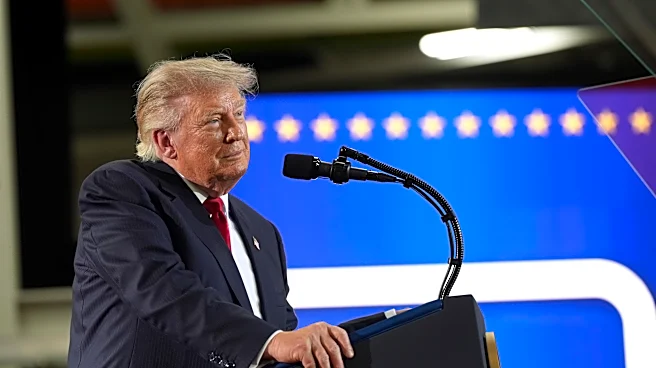
President Trump’s approval rating on Iran has fallen slightly since last month, according to a new AP-NORC poll.
Just 28% of U.S. adults approve of how Trump is handling Iran, a slight decline from 34% last month.
Republicans also appear to be increasingly unhappy with the prolonged conflict: 61% approve of how Trump is handling Iran, an apparent decline from 71% in June.
The margin of sampling error for Republicans is 6 points, so that 10-point decline is considered slight – but it’s still noteworthy given Republicans’ higher approval of how Trump is handling the presidency overall. About 7 in 10 Republicans, 73%, approve of Trump’s job performance.
Trump’s overall job approval rating is 33% among U.S. adults. That’s slightly below where he was at this point in his first term, and similar to where former President Biden stood about one and a half years into his presidency, as inflation peaked.
▶ Read more
Todd Blanche’s nomination to become attorney general stalled Wednesday as lawmakers scrapped a planned committee vote after key Republicans demanded more assurances about the settlement of President Donald Trump’s lawsuit against the Internal Revenue Service.
The Senate Judiciary Committee had been expected to vote Thursday on whether to advance Blanche’s nomination to the full chamber. But resistance from two Republican senators on the committee who could block Blanche’s nomination threw his confirmation into doubt.
A spokesperson for the committee said in a statement Wednesday night that the vote would be postponed “as work continues to secure sufficient support.” The delay came after hours of negotiations between the Justice Department and Republican Sens. John Cornyn and Thom Tillis over the controversial settlement that afforded Trump and members of his family protection from tax audits.
▶ Read more
The United States and Iran each fired barrages of missiles Thursday, as the pattern of back-and-forth strikes took hold again and hope dimmed for any quick resolution.
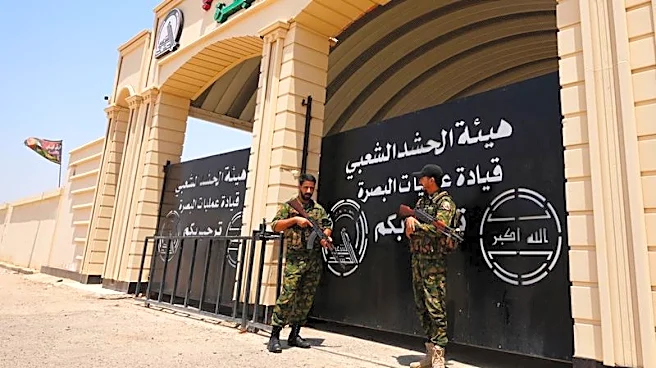
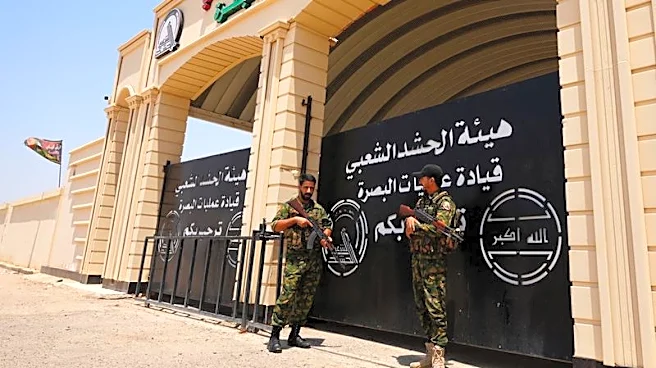
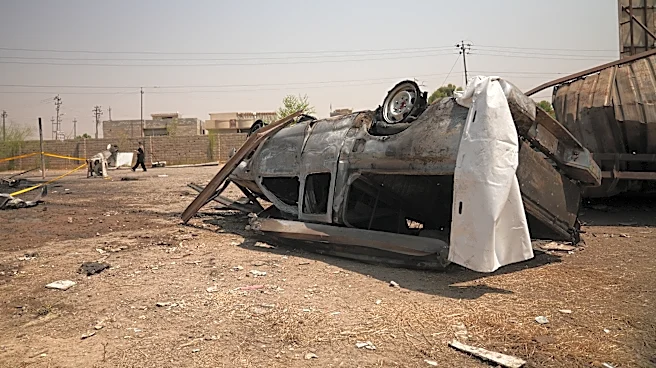
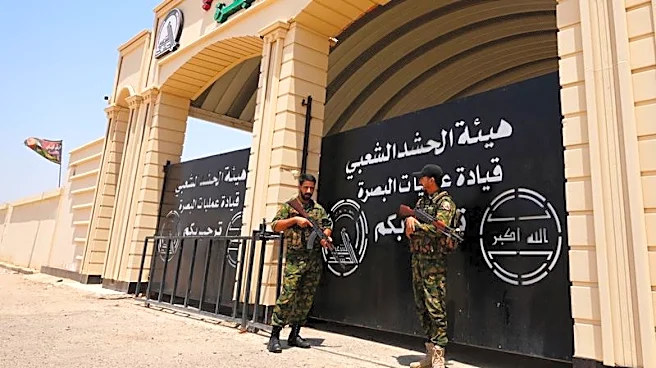
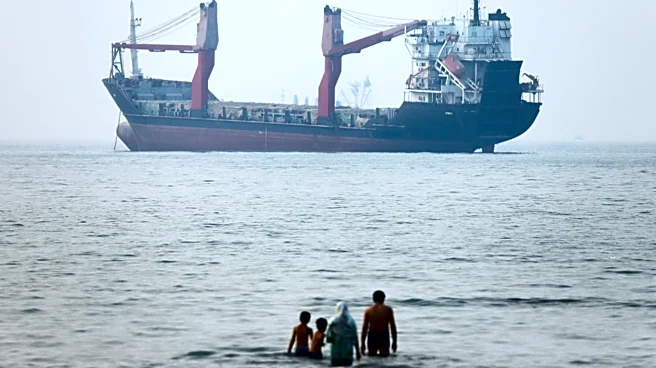
After a brief respite, the risk of a return to all-out war emerged once more, with the fighting threatening to engulf even more countries: Jordan said Thursday it intercepted Iranian missiles for the second consecutive day, while Kuwait said a strike in the northern part of the country killed one person. Also this week, drones caused fires on ships at an Egyptian port, and Saudi Arabia said it came under fire from Iran-backed militias in Iraq.
The spiraling violence underscored the difficulty of winding down a five-month conflict that has sent the price of fuel and other basics soaring, jolted the world economy, and added to concerns about American stockpiles of weapons needed to defend its bases and allies. After an earlier hiatus had given hope that diplomatic efforts were moving forward, there was no public sign of progress.
▶ Read more