





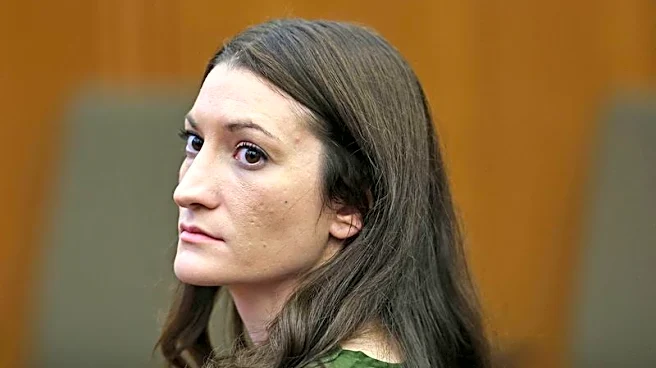
PLYMOUTH, Mass. (AP) — The judge in the Lindsay Clancy trial said he was going to declare a mistrial Friday before suddenly changing course and giving her defense attorney one hour to appeal.
Judge William Sullivan's stunning move came after he announced in court that jurors — now in their seventh day of deliberations — sent a third note saying they can't reach a unanimous decision on whether the Massachusetts mother is criminally responsible for killing
her three young children in 2023.
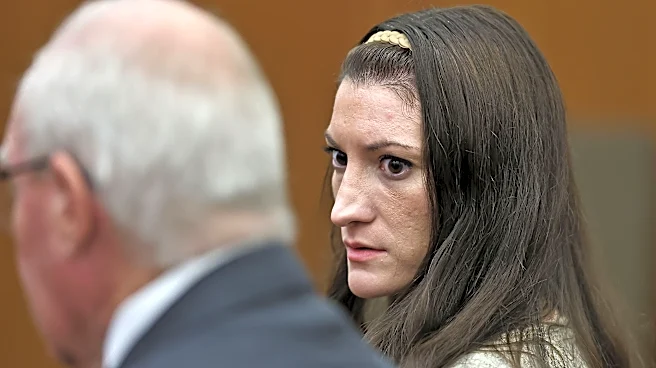
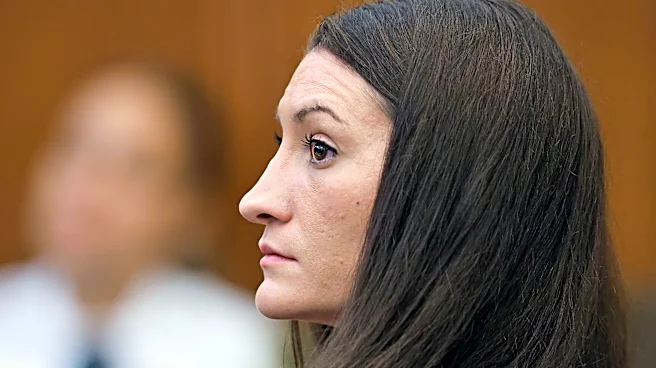
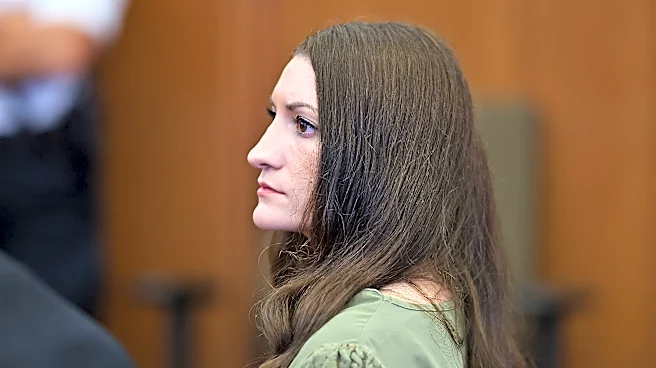
“I’m going to declare a mistrial at this point,” Sullivan said before the defense asked for stay of the declaration. At the defense table, Clancy showed no visible reaction to the exchange.
The trial has generated intense interest for more than a month, deeply dividing the public and drawing attention to issues around maternal mental health after childbirth. Clancy’s attorney said she was suffering from a rare condition called postpartum psychosis when she strangled her kids, the youngest just 8 months old, then tried to take her own life.
Prosecutors said Clancy, a 36-year-old former labor and delivery nurse, knew what she was doing.
___
EDITOR’S NOTE: This story includes discussion of suicide. If you or someone you know needs help, the national suicide and crisis lifeline in the U.S. is available by calling or texting 988.
___
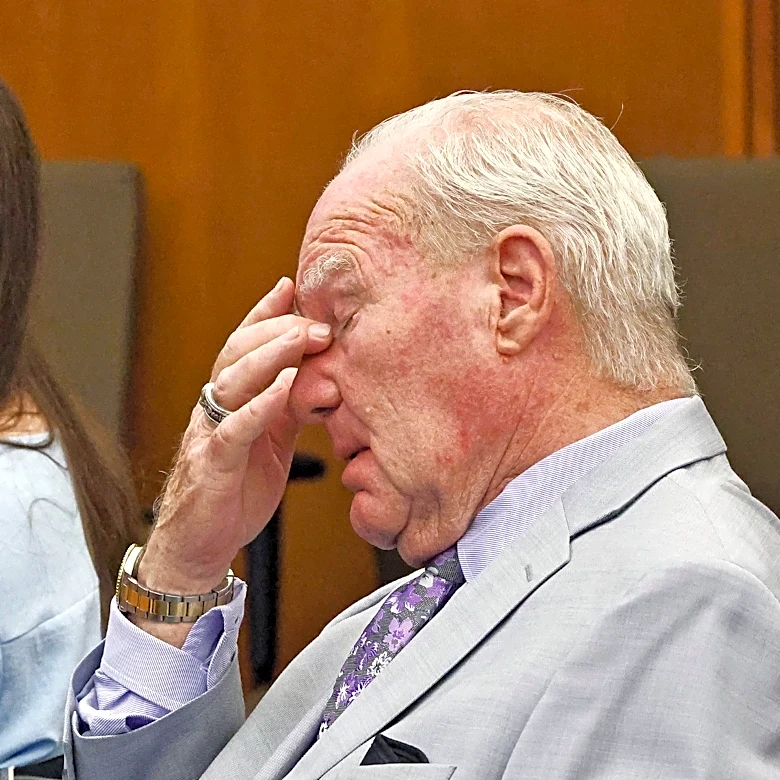
The judge and Clancy’s lawyer, Kevin Reddington, went back and forth after the judge signaled that he would declare a mistrial and said he would summon the jury to break the news. The judge suddenly gave Clancy’s lawyer time to seek an appeal to stop that order.
“What I’m asking for is time to file a single-justice appeal for this travesty,” Reddington said. He was upset over Sullivan’s earlier refusal to remove a juror.
“I’ll hold off for an hour,” the judge said.
There was an audible gasp in the courtroom when the judge first signaled he would declare a mistrial.
The jury’s foreperson told the judge Thursday that a single juror wouldn't follow the court’s instructions about reasonable doubt. The extraordinary disclosure, made in the form of a note delivered to the judge, offered the clearest glimpse yet of what may be keeping jurors from reaching a verdict.
On Thursday, Sullivan brought in each juror individually and questioned them in private. The judge then reread his instructions, telling them proof beyond a reasonable doubt does not mean proof beyond all possible doubt.
He reminded jurors that the burden of proof is on the prosecution before sending them back to continue deliberating.
The jury went back to work Friday after the judge rejected a request from Clancy’s attorney to again individually question the juror who was the subject of the note about reasonable doubt instructions.
“Reading that note carefully and strictly,” Sullivan said, “that note does not indicate this is a person who refuses to follow the law.”
Reddington on Thursday asked Sullivan to dismiss the juror from the case, arguing the person had refused to follow the judge's instructions. Prosecutors objected, and Sullivan declined to remove the juror.
“I don’t feel it is proper for me to side with one side or the other of the deliberations,” the judge said Thursday. “I don’t feel it’s appropriate for me to say, ‘I agree with one juror or the 11.’ I have asked if they are able to follow my instructions. They swore earlier that they could.”
For the first time during the trial, Clancy was brought to join a sidebar conversation with the judge and lawyers. Paralyzed from the waist down after her suicide attempt, Clancy uses a wheelchair, which Reddington pushed to the front of the courtroom.
“She has a right to know what’s going on,” he later told reporters.
If the jury ultimately can’t agree on a verdict, the judge could declare a mistrial. Prosecutors would then have to decide whether to put Clancy on trial again, drop the charges or try to negotiate a plea deal with her lawyer.
If the jury decides Clancy was criminally responsible for her actions, it could convict her of either murder or manslaughter. If she is acquitted, a judge could still order her confined to a mental health facility if an evaluation determines that she poses a danger to the public.
Clancy doesn’t deny strangling her children in the basement of their home before using multiple methods to try to end her life. According to her defense, she had bipolar disorder and postpartum psychosis that, ultimately, led her to believe she heard a voice telling her to kill the children so she could kill herself.
Postpartum psychosis is more serious and less common than postpartum depression, afflicting 1 to 2 out of 1,000 women after delivery, according to estimates by researchers.
The prosecution argues Clancy deliberately sent her then-husband on errands to get him out of the house, and prosecutors have questioned the seriousness of her suicide attempt.
___
Associated Press writers John Seewer in Toledo, Ohio, and Ed White in Detroit contributed.