




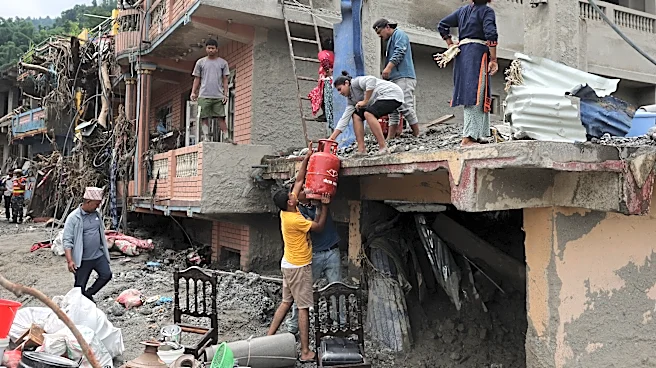
KATHMANDU, Nepal (AP) — Filmmaker and drone pilot Manish Maharjan crossed into Nepal from China’s Tibet through Rasuwagadhi, a border crossing closest to where last week's catastrophic flooding
began, two days before the disaster. Returning home, little did he know he would be using his professional skills to help with rescue efforts along a route he has known intimately from years of travel for work.As authorities mobilized dozens of rescue and relief
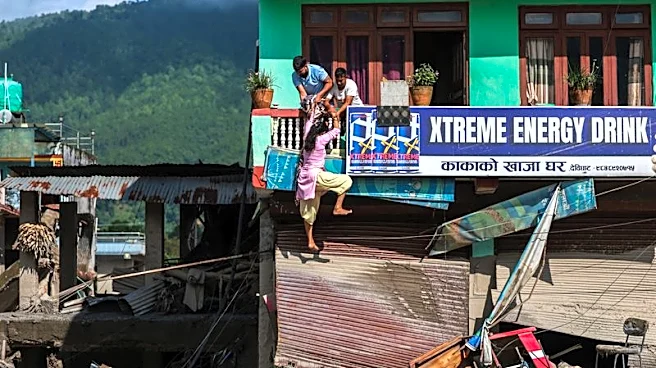
teams, Maharjan joined the Nepal Army’s rescue efforts a day after the flash floods, which have since killed more than 1,000 people and left thousands missing in Nepal and China.
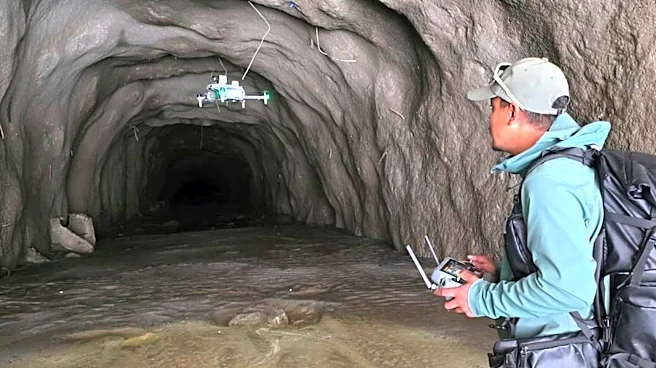
Maharjan has been operating thermal drones to assist rescue teams, focused on locating and finding at least 900 workers who are still missing from 12 hydropower projects buried under mud and debris. About 500 of them are believed to be trapped inside power plant tunnels.
He said drones were effective in locating people who were stranded on hillsides and in isolated places, including caves.
“We used microphone speakers to call out to them. In some places, we even played songs and then waited for a response. That worked in a few cases and helped us locate people,” Maharjan said.
While drones have helped him rescue some stranded people in open areas, the tunnels present an entirely different challenge, he said.
“We found tunnels were filled with mud like toothpaste in a tube,” Maharjan said. “There was no hollow or empty space inside.”
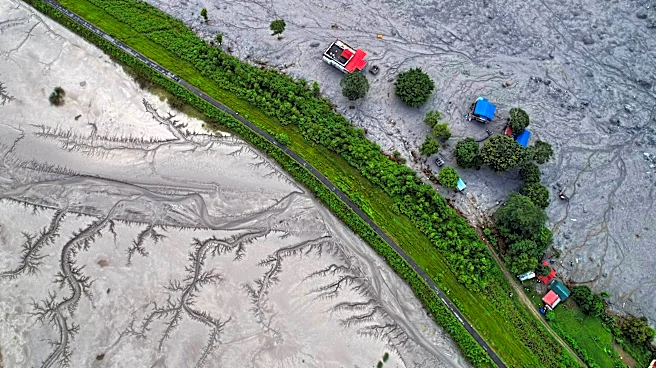
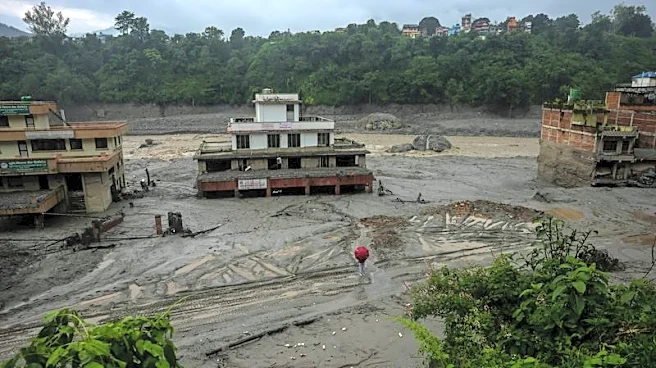
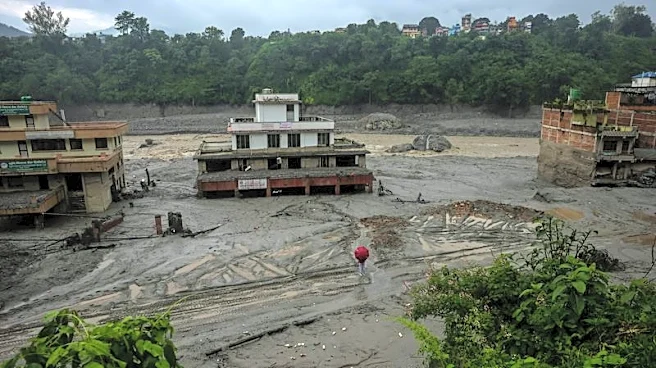
The Aug. 26 flash floods started after a glacial collapse high in the Himalayan region. Scientists who studied satellite images said bedrock underneath a glacier high in the Himalayan region had collapsed, taking part of the glacier with it. The rockfall was so extreme that it registered as a magnitude 5.2 seismic event.
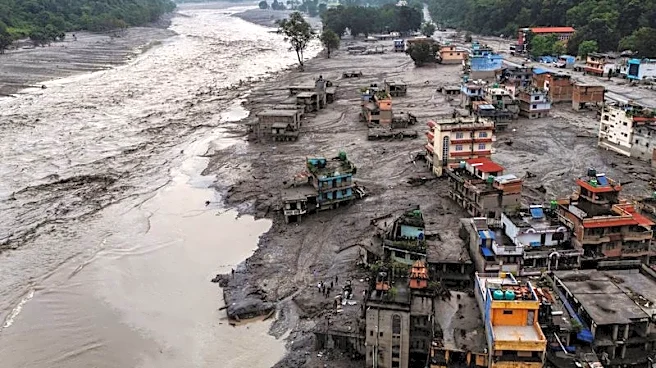
The rocks and melted water then swelled the rivers in the valleys below, causing a torrent of water in Tibet and Nepal and causing widespread damage to critical infrastructure, including hydropower plants, roads, buildings and bridges in the region.
Some workers in the power plant tunnels managed to call for help when the disaster struck, and others who managed to flee reported their colleagues were still in the tunnels, according to Mohan Kumar Dangi, president of the Independent Power Producers’ Association. It was unclear whether rescuers have had any contact with the trapped workers since the initial calls for help.
As time slips away, rescuers are finding it increasingly difficult to locate these missing people. Experts say the first 72 hours are critical as the chances of survival drop without access to clean water. Access to breathable air is another key to survival.
Maharjan said the tunnel searches were challenging because of their difficult access and the absence of any empty space.
“I can only fly drones in tunnels that are long and straight,” he said. “Once there are bends, turns or zigzags, it becomes much harder to operate and search effectively.”
At the Rasuwagadhi hydropower project, Maharjan managed to send a drone to search deep inside and all the way to the end of the tunnel but found no sign of any life.
“We checked repeatedly but it was filled with mud and debris,” he said. “Looking at it, I could only imagine the force of the flood.”
___
Hussain reported from New Delhi.