




BRUSSELS (AP) — The European Union on Thursday approved a massive loan package to help Ukraine meet its economic and military needs for the next two years, the bloc’s Cypriot presidency said, after Hungary lifted its veto.
The EU also approved a new raft of sanctions against Russia over its war on Ukraine. The measures were prepared early this year and set to be announced in February to mark the fourth anniversary of the conflict, but Hungary and Slovakia
opposed the move.
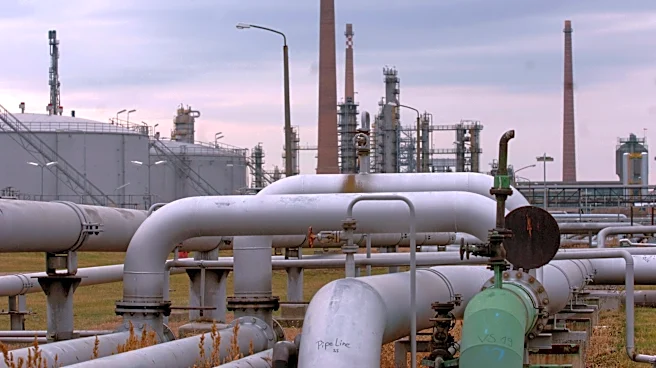
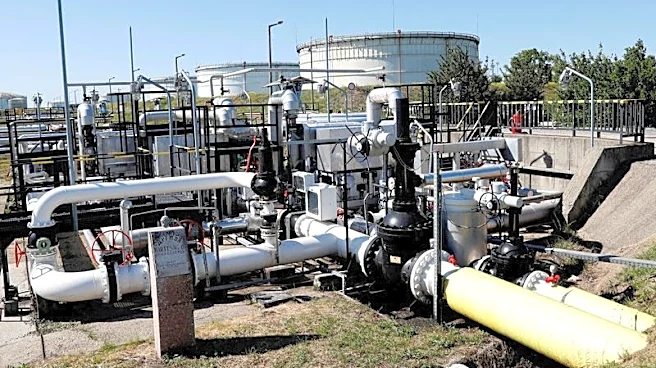
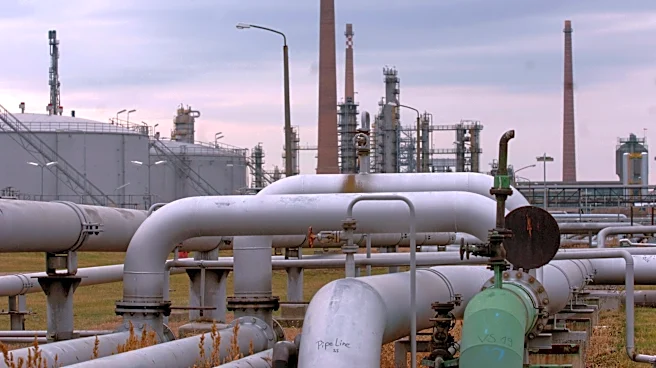
Hungary and Slovakia have been locked in a feud with Ukraine since Russian oil deliveries to the two EU countries were halted in January after a pipeline was damaged. Ukrainian officials blamed the damage on Russian drone attacks.
Ukraine desperately needs the 90-billion-euro ($106 billion) loan package to prop up its war-ravaged economy and help keep Russian forces at bay. Hungary angered its EU partners by reneging on a December deal to provide the funds.
“Today the Council approved the final element needed to allow for the disbursement of the 90-billion-euro loan for Ukraine,” Cypriot Finance Minister Makis Keravnos said. “Loan disbursements will start flowing as soon as possible, providing vital support for Ukraine’s most pressing budgetary needs.”
The political greenlight for the loan package came after Russian oil began flowing to Slovakia again through the Druzhba pipeline that crosses Ukraine. Populist Slovak Prime Minister Robert Fico welcomed that development, calling it “good news.”
“Let’s hope a serious relation between Ukraine and the European Union has been established,” Fico said.
Ukraine and most of its European backers oppose imports of Russian oil which have helped to fund Russian President Vladimir Putin’s war against Ukraine, now in its fifth year. But unlike the rest of the European Union, Hungary and Slovakia still depend on Russia for their energy needs.
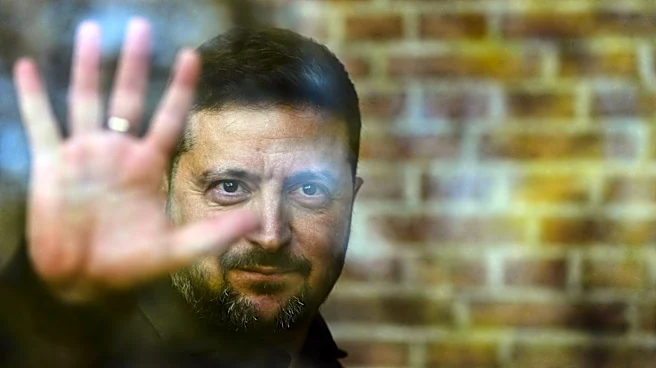
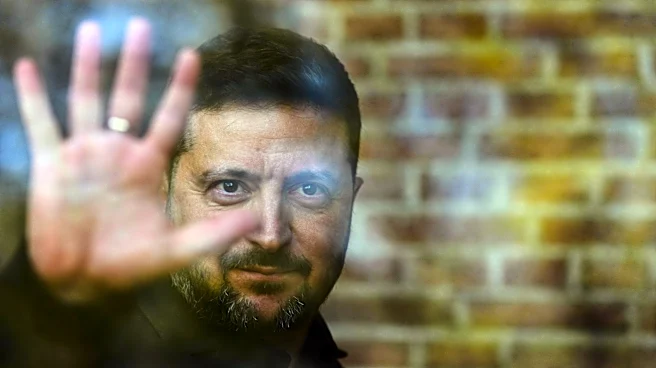
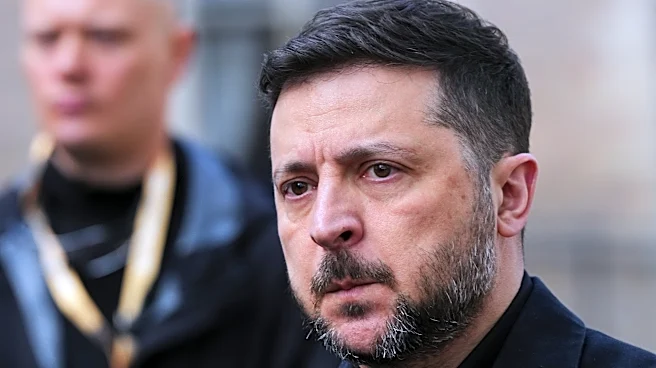
Hungary’s nationalist Prime Minister Viktor Orbán, who was recently defeated in an election, had accused Ukraine of deliberately delaying repairs — an allegation that Ukrainian President Volodymyr Zelenskyy denied.
Fico said Thursday he still didn’t believe the pipeline was damaged at all and alleged that the pipeline and oil “were used in the current geopolitical battle.”
The flow resumed after three months at 2 a.m. Thursday, the Slovak economy ministry said, lifting a major obstacle to approving the EU funds for Ukraine later Thursday, just as EU leaders gather for a summit in Cyprus.
The 27-nation EU had originally intended to use frozen Russian assets as collateral for the loan. But that option was blocked by Belgium, where the bulk of the frozen assets are held.
In December, the Czech Republic, Hungary and Slovakia agreed not to stop their EU partners from borrowing the money on international markets as long as the three countries did not have to take part in the scheme.
But Orbán, who has repeatedly blocked EU aid to Ukraine, angered the other 24 countries by later reneging on that deal over the pipeline dispute and as campaigning heated up ahead of the April 12 election that he lost in a landslide.
The EU has also been trying since February to push through a new raft of sanctions against Russia, which Hungary and Slovakia blocked due to the oil feud.
The sanctions approved on Thursday were expected to include a ban on maritime services helping Russia to ship oil and target the country’s financial services and trade sectors. Dozens more ships working in Russia’s shadow fleet transporting oil were also likely to be targeted
Oil revenue is the linchpin of Russia’s economy, allowing Putin to pour money into the armed forces without worsening inflation for everyday people and avoiding a currency collapse.
___
Janicek reported from Prague.