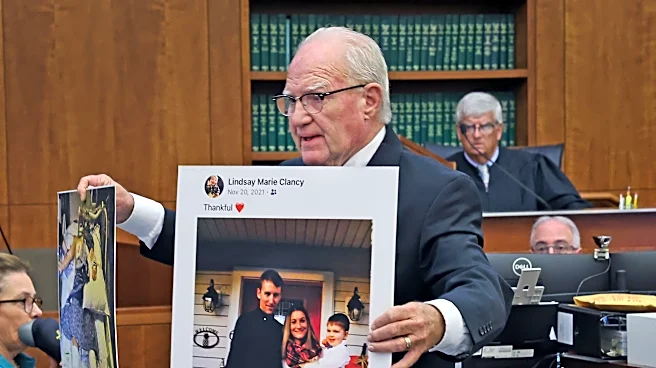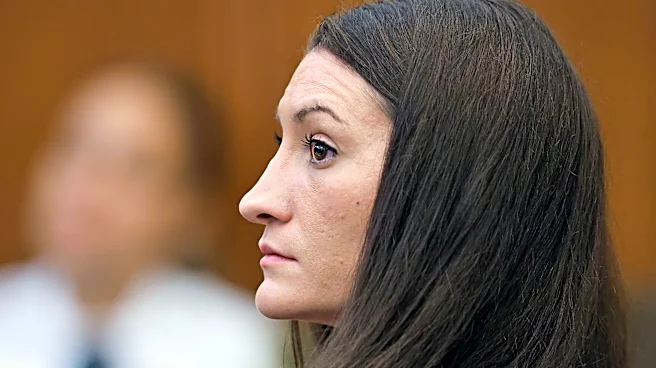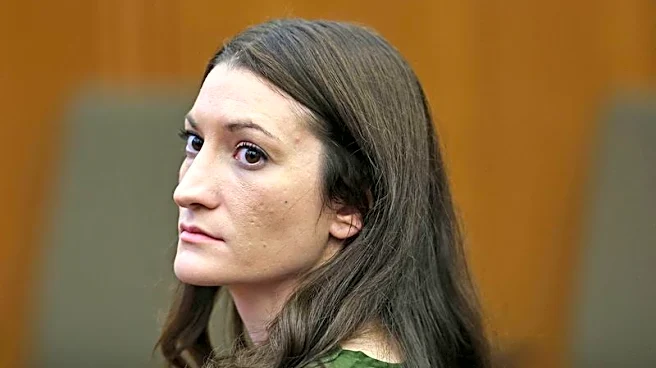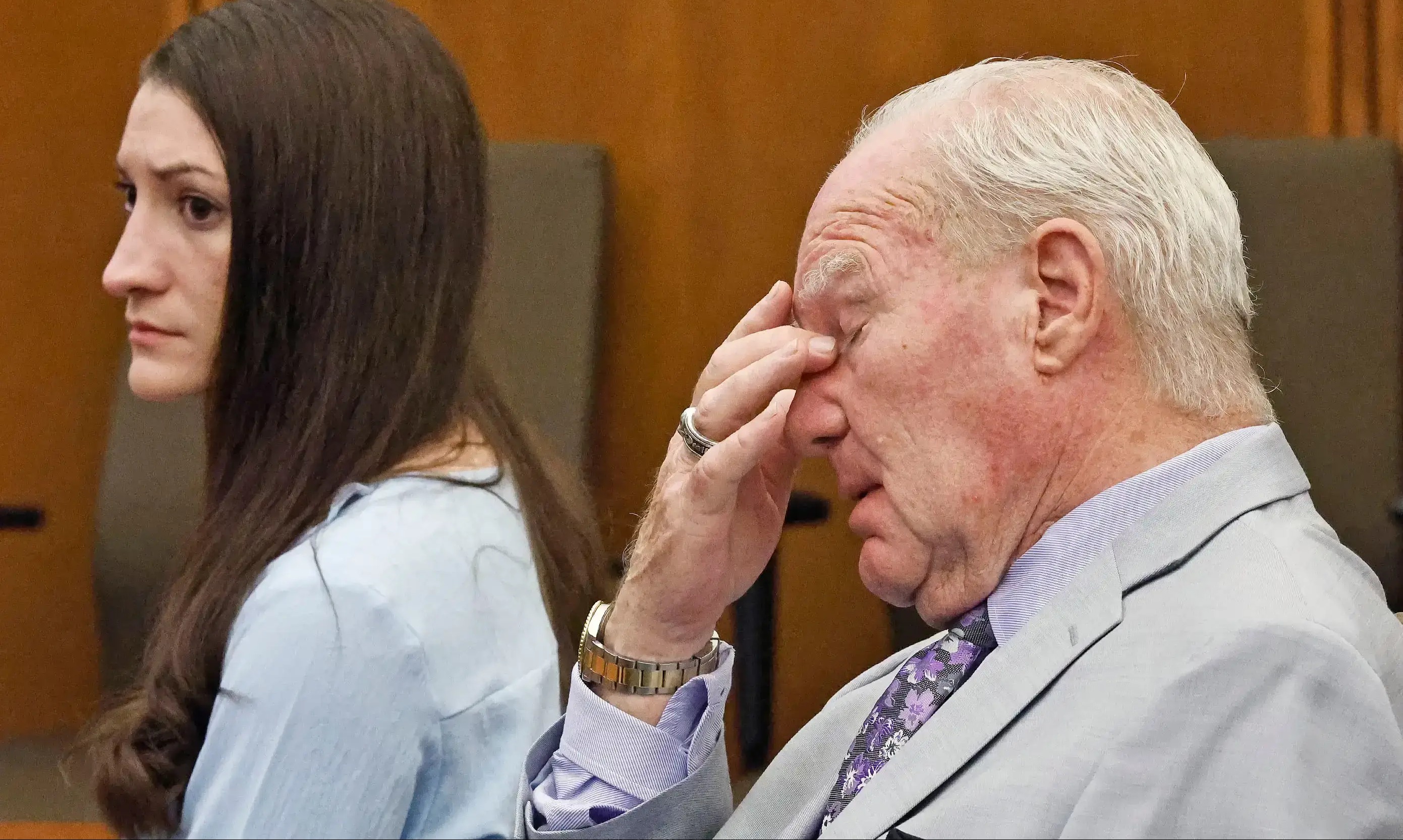



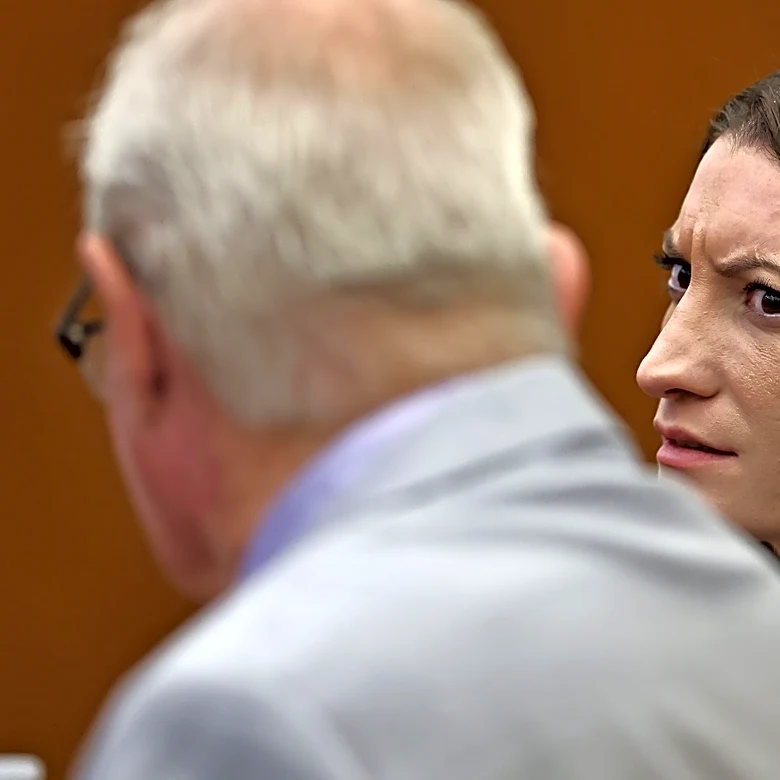


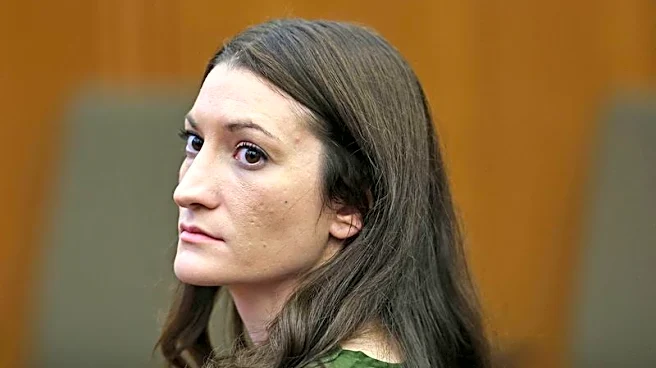

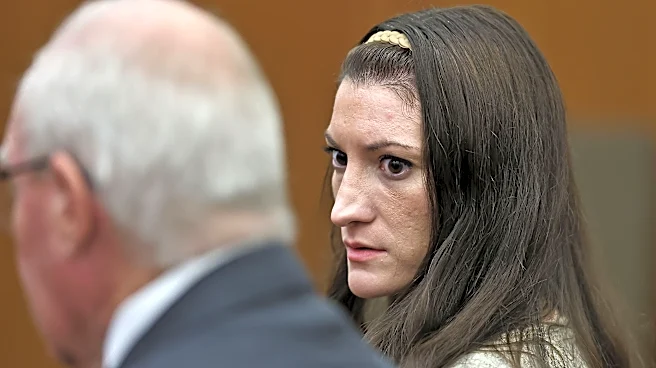
PLYMOUTH, Mass. (AP) — A judge declared a mistrial in the Lindsay Clancy murder trial on Friday after jurors said they could not reach a unanimous verdict on whether she was criminally responsible for killing her three young children.
The mistrial, on the seventh day of deliberations, leaves the case unresolved and allows prosecutors to take the 36-year-old former labor and delivery nurse to trial again.
The deliberations took a dramatic turn late in
the week when the judge said he was going to declare a mistrial Friday before suddenly changing course and giving her defense attorney a chance to appeal to the top court in Massachusetts. But the court denied the emergency appeal to stop the judge from declaring a mistrial.
The trial has generated intense interest for more than a month, deeply dividing the public and drawing attention to issues around maternal mental health after childbirth. Clancy’s attorney said she was suffering from a rare condition called postpartum psychosis when she strangled her kids, the youngest just 8 months old, then tried to take her own life.
Prosecutors, who said Clancy knew what she was doing, now must decide whether to put Clancy on trial again, drop the charges or try to negotiate a plea deal with her lawyer.
___
EDITOR’S NOTE: This story includes discussion of suicide. If you or someone you know needs help, the national suicide and crisis lifeline in the U.S. is available by calling or texting 988.
___
Prosecutors said Clancy, a former labor and delivery nurse, acted deliberately when she strangled 5-year-old Cora, 3-year-old Dawson and 8-month-old Callan Clancy with exercise bands on Jan. 24, 2023. They said she contrived to get her husband out of the house by sending him to pick up medicine for one of their children and dinner for the family.
Clancy’s lawyer, Kevin Reddington, never disputed that she killed the children but says she should not be held criminally responsible because she had postpartum psychosis, a rare mental illness linked to the stress, sleep deprivation and hormonal changes that follow childbirth.
Over 21 days of testimony, jurors heard how Clancy’s mental health had collapsed after Callan’s birth.
Deeply anxious about a planned return to work, unable to sleep and experiencing what she described as a disturbing brain fog, Clancy sought care from experts in postpregnancy mood disorders, who prescribed multiple psychiatric medications.
Clancy’s family members testified that she expressed concern about her mental health decline. Her former mother-in-law, Susan Clancy, described her as a “very nurturing, very loving mother” who was “begging for help.”
In early January, she checked herself in to a psychiatric hospital for more intensive treatment, but her stay was short. She killed the children 19 days after she was discharged, leaving their bodies in the basement of the family’s home in coastal Duxbury, Massachusetts. Clancy jumped from a second-story window immediately after and remains paralyzed from the waist down.
Prosecutors conceded that Clancy had severe mental illness, but insisted she was able to understand and control her actions. They emphasized that although she claimed to have heard a male voice commanding her to kill the children, she never disclosed hearing voices to her mental health providers before the killings.
In its latter stages, the trial became a battle of medical experts.
Kirk Heilbrun, a forensic psychologist hired by prosecutors to evaluate Clancy, testified that he didn’t believe her story about having heard voices. And he said he didn’t believe she had acute psychosis when she killed the children, but rather took their lives so they wouldn’t “suffer” after she killed herself.
Dr. Phillip Resnick, a forensic psychiatrist who testified for the defense, said that Clancy was “clearly psychotic” and was not in control of her actions.
“It was almost like she was a puppet and someone else was pulling the strings,” said Resnick, who spent hours interviewing Clancy after the killings. He said she was also likely experiencing bipolar disorder.
At the start of the trial, Clancy’s ex-husband Patrick Clancy described the horror of returning home to find his children. Prosecutors played a seven-minute 911 call in which he could be heard finding the bodies.
In interviews, he has said he has forgiven her and believes her actions were the result of mental illness.
___
Associated Press writers John Seewer in Toledo, Ohio, and Ed White in Detroit contributed.