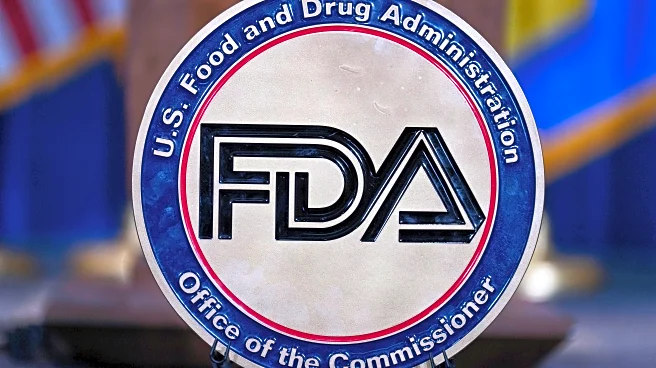

WASHINGTON (AP) — A plan to slash drug review times at the Food and Drug Administration is sparking deep concerns among agency staffers and outside experts, with some saying the poorly defined effort is taking
key decisions away from career scientists and placing them in the hands of political leadership.
The initiative by FDA Commissioner Marty Makary promises ultra-fast reviews for drugs that align with “U.S. national priorities.” It’s at the center of Makary’s stated goal to “cut red tape” and “challenge assumptions” at the agency tasked with assuring the safety of food, medicines, medical devices and other consumer goods.
But FDA staffers say the push for faster approvals is contributing to a climate of anxiety, fear and confusion within the agency’s drug center, which has lost nearly 20% of its staff to recent layoffs, buyouts, retirements and resignations.
Concerns about the legality of the program have also contributed to the recent departure of several leaders of the FDA drug center, which is now being led by its fifth director in the past year.
FDA drug reviews have traditionally been handled by FDA career scientists who spend months analyzing data to determine whether drugs meet federal standards for safety and effectiveness.
But the effort to truncate certain drug approvals has become intertwined with White House efforts to secure pricing concessions for drugmakers, an unprecedented shift in the agency’s longstanding science-based approach that staffers fear could damage the FDA's reputation and endanger patients.
Health and Human Services spokesman Andrew Nixon said the voucher program prioritizes “gold standard scientific review” and aims to deliver “meaningful and effective treatments and cures.”
Here’s what to know:
Questions remain among top FDA officials over who has the appropriate legal authority to sign off on drugs cleared under the Commissioner’s National Priority Voucher program, according to several people with direct knowledge of the matter who spoke to The Associated Press on the condition of anonymity because they were not authorized to discuss confidential agency matters.
The FDA’s then-drug director, Dr. George Tidmarsh, declined to sign off on approvals under the pathway. Tidmarsh resigned from the agency in November over a lawsuit challenging his conduct on issues unrelated to the voucher program.
After his departure, Sara Brenner, the FDA’s principal deputy commissioner, was set to be the final decider on the approval decisions, but she also declined the role after looking further into the legal issues, according to the people. Currently the agency’s deputy chief medical officer, Dr. Mallika Mundkur, is taking on the responsibility.
Giving final approval to a drug carries significant legal weight, essentially certifying the medicine’s safety and effectiveness meet FDA standards. If unexpected side effects or other problems later emerge, both the agency and individual officials could be pulled into investigations or lawsuits.
Despite such concerns, the program remains popular at the White House, where pricing concessions announced by President Donald Trump, a Republican, have repeatedly been accompanied by FDA vouchers for drugmakers that agree to cut their prices.
For instance, when the White House announced that Eli Lilly and Novo Nordisk would reduce prices on their popular obesity drugs, FDA staffers had to scramble to vet and announce new vouchers for both companies in time for the press conference, according to multiple people involved in the process.
That’s sparked widespread concern that FDA drug reviews have become malleable and open to political interference.
FDA approval decisions have nearly always been handled by agency scientists and their immediate supervisors, rather than political appointees and senior leaders.
But under the voucher program, approval comes through a committee vote by senior agency officials, according to multiple people familiar with the situation. Staff reviewers don’t get a vote.
Current and former staffers say the new approach flips FDA precedent on its head, minimizing the input of FDA scientists who have the greatest expertise and familiarity with the drug safety and effectiveness data.
Because of the ambiguity around the program’s workings, some drugmakers have had their own interpretation of the timeline for review — creating further confusion and stress among FDA staff.
Two people involved in the ongoing review of Eli Lilly’s anti-obesity pill said company executives initially told the FDA they expected the drug approved within two months.
The timeline alarmed FDA reviewers because it did not include the agency’s standard 60-day prefiling period, when staffers check the application to ensure it isn’t missing essential information.
But Lilly pushed for a quicker filing turnaround, demanding one week. Eventually the agency and the company agreed to a two-week period.
When reviewers raised concerns about some gaps in the application, they were told by a senior FDA official: “If the science is sound then you can overlook the regulations.”
Former reviewers and outside experts say that approach is the opposite of how FDA reviews should work: It’s by following the regulations that staffers scientifically confirm the safety and effectiveness of drugs.
Nixon declined to comment on the specifics of Lilly’s review but said FDA reviewers can “adjust timelines as needed.”
___
The Associated Press Health and Science Department receives support from the Howard Hughes Medical Institute’s Department of Science Education and the Robert Wood Johnson Foundation. The AP is solely responsible for all content.