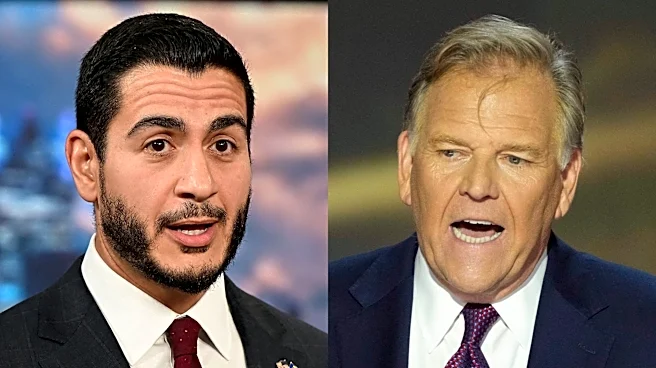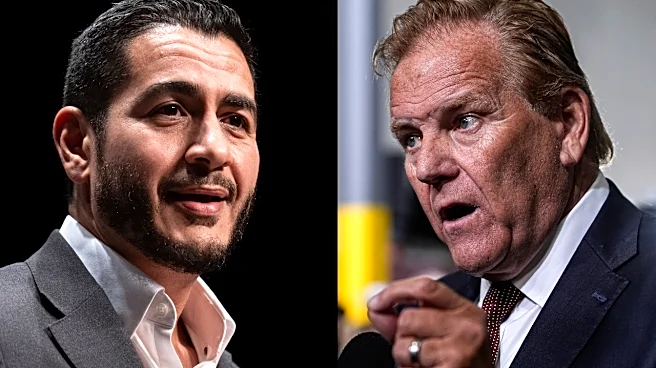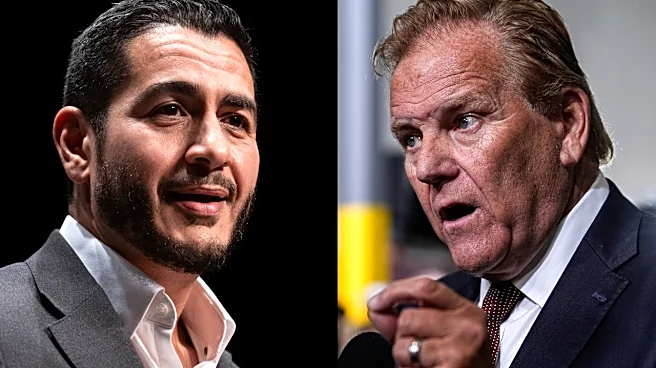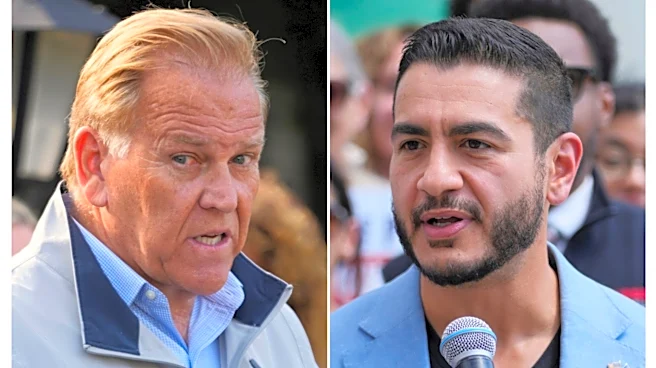

GRAND RAPIDS, Mich. (AP) — The first Michigan Senate debate between Republican Mike Rogers and Democrat Abdul El-Sayed grew increasingly combative Thursday as weeks of online sparring spilled onto the
stage.
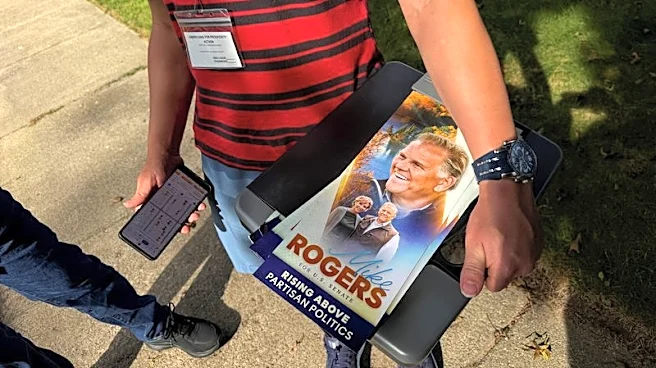
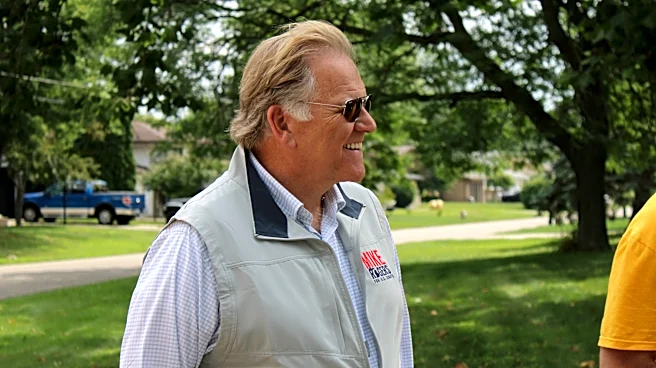
For Rogers, a former congressman who was unchallenged in the Aug. 4 primary, the evening debate in Grand Rapids was his first since facing off two years ago against then-U.S. Rep. Elissa Slotkin in a Senate race that the Democrat won by just under 20,000 votes.
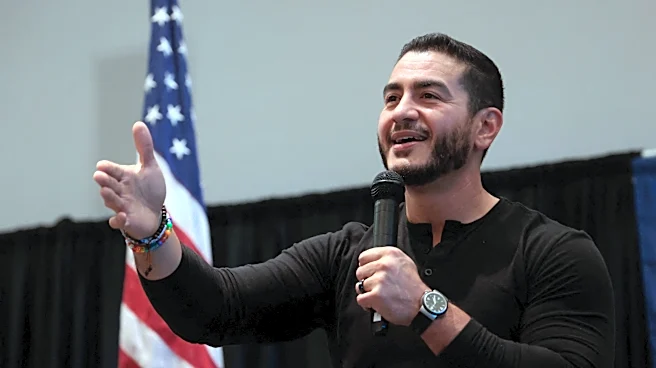
El-Sayed, a progressive and former public health official, participated in multiple primary debates against U.S. Rep. Haley Stevens before capturing the nomination by less than a percentage point and advancing to the Nov. 3 general election.
The first debate was contentious from the start, with each candidate going after the other forcefully. Debate host Rick Albin repeatedly tried to rein in the candidates.
“I’d like to be a part of the debate, too,” Albin said. He later added that the contestants had continued debating during a commercial break.
Rogers has broken with President Donald Trump on two major issues in recent weeks. In September, Rogers said the war with Iran needed to “end quickly.” On Wednesday, he released an ad criticizing Trump’s tariffs on Canada, saying, “We know that Canada is not our enemy” and “We need to end this tariff war now.”
Early into the debate, Rogers doubled down on both. He once again said that the war in Iran needs to come to an end: “I do believe it’s going to come to an end. We need it to come to an end,” Rogers said.
Later, Rogers said that he had called the White House this week to push for a “deal” with Canada to end the tariff war.
Rogers also criticized Immigration and Customs Enforcement's actions in Minnesota earlier this year, saying the “efforts in Minnesota were probably not appropriate.”
“That to me was something that they could have done differently,” Rogers said.
El-Sayed opened the debate going hard at Rogers, saying he would be a “sock puppet” for Trump. Rogers responded by saying El-Sayed had lied about his record as a doctor and was a "conman.”
El-Sayed is working during the debate to not only attack Rogers, but also appeal to Democrats who may still contemplating their vote after a contentious primary divided the coalition. Some in the Jewish community have expressed concern about El-Sayed's past comments regarding Israel.
El-Sayed was asked during the debate if he would support sending weapons to Israel if they were attacked by another country. He responded that he did not “want our tax dollars being used to subsidize war abroad.”
Asked later if Iran or Israel posed a more dangerous threat, he called it a “ridiculous question” and “both of them have proven dangerous in their own way.”
High-profile Democrats have tried to help him bring together the Democratic coalition in recent weeks. Michigan Gov. Gretchen Whitmer appeared with him for the first time Thursday since she endorsed Stevens during the primary.
Trump assailed El-Sayed in a social media post late Wednesday, referring to him as “Mohammed” and saying he “goes back to the days of the Jihad.”
“He is a RADICAL Extremist, Terrorist Sympathizer,” Trump wrote on Truth Social.
El-Sayed, who was born in the U.S. to Egyptian immigrant parents, responded by pointing out that the president knows his name: “He says it every day.”
“He’s not just attacking me. He’s attacking all of us,” El-Sayed wrote. “He thinks he can use my name and my faith to distract us from the suffering his policies are inflicting on us.”