




Vegetable gardeners know the satisfaction that comes from growing their own food, and it’s more than just putting seeds in the ground and watching them grow. There’s also something rewarding about doing more for yourself in a back-to-basics way that helps us feel more self-sufficient, whether it’s growing tomatoes or raising chickens.
In homesteading circles, communities of like-minded folks who exchange ideas, advice and resources have a strong appreciation
for the practical knowledge and skills passed down for generations. And much of that advice has been documented in books.
From time-tested classics to newer releases, these six books provide inspiration and reference for experienced homesteaders as well as practical guidance for those just getting started.
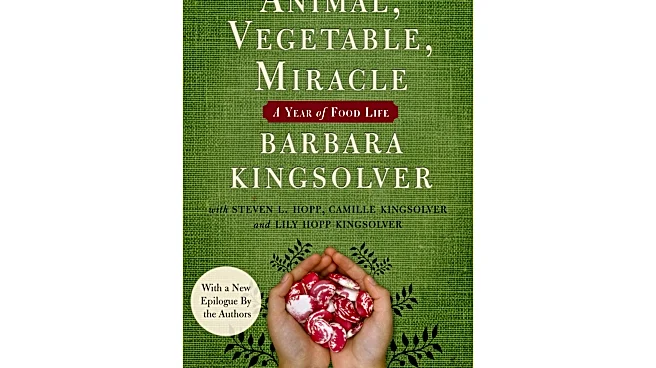
Written by Pulitzer Prize-winning novelist Barbara Kingsolver, her biologist husband, Steven L. Hopp, and their nutritionist daughter, Camille Kingsolver, this book is widely regarded as a credo for the modern locavore movement. In it, the family recounts their experiences after moving from their Arizona home to an Appalachian farm in Virginia, where they set out to live entirely off the land, eat only what’s in season and locally sourced, and avoid using fossil fuels for a full year. Sidebars include Steven’s economic, legal and scientific insight, and recipes created by Camille to help readers put what they’ve learned to use in the kitchen. The 2017 10th-anniversary edition adds the authors’ hindsight reflections and updates, including Steven’s take on how their experiment grew into a community development project training young farmers in sustainable food production.
Whether you tend a small backyard garden, run a full-fledged homestead or have no desire to do either, the author’s warm, sometimes wistful reflections, recipes, practical gardening advice, detailed instructions for preserving food and trivia will entertain and inform. The late author wrote the first edition in the 1970s while homeschooling her seven children on an Idaho farm. As the book gained national, televised attention, she left home to promote it on tour. Along the way, viewers and readers across the country learned how to bake bread, milk goats and churn butter. Over the years, the book has sold more than a million copies. The updated edition still offers plenty of old-school know-how, from milling flour and pickling to delivering babies. It also takes on more modern concerns, such as how to keep bees, reduce your carbon footprint, live off-grid and prepare for emergencies.
The father-and-son authors co-hosted the now-concluded BBC Television show, “It’s Not Easy Being Green” (2006-2010), which documented the family’s attempt to live a modern lifestyle on their farm in Cornwall, England, while being self-sufficient in terms of energy and food. In this updated-for-2020 edition, they share their low-impact, environmentally friendly message along with instructions for “greening” the modern lifestyle. Accompanied by beautiful photography and charts, the text provides how-tos for making interesting things like biodiesel fuel, a solar dryer, cheese and hard cider, as well as raising pigs, gardening and more.
Considered by many as a must-have classic, this guide takes readers back to a time when humans’ only choice was to consume what was available, which meant what was local and in season. The organic-farmer author’s witty writing style makes the book fun to read, as well as informative. He covers composting techniques, soil amendments, garden-site preparation, seeds for four seasons, coping with snow and creating a root cellar. And his focus on economics and practicality emphasizes growing year-round without the costly extras like greenhouses.
If you’re thinking about raising poultry for meat or eggs, it’s important to learn as much as you can about the birds and their needs before bringing them home. They are, after all, living creatures, and taking responsibility for them is no small undertaking. This reader-friendly, encyclopedic revised edition will help you prepare for their arrival and serve as a useful reference once you’ve begun. Accompanied by charts, anatomical diagrams, instructional photos and even plans for building shelters, the book covers everything from housing, feeding and keeping birds healthy to slaughtering them. And for those hoping to make a little money along the way, the author, a long-time poultry farmer, also provides practical advice on calculating cost and profit, too.
In the newest book on our list, the author, who’s best known for her popular From the Garden social media brand, focuses heavily on practical horticulture and beginner-friendly DIY remedies without getting too deep into the weeds or making medical claims. The book is divided into two sections. The first part covers the foundations of soil health, small-space gardening, herb identification, safety, plant care, making tinctures and salves, and adding herbs to meals and drinks. The second section is an encyclopedic guide to 50 plants, from anise hyssop to yarrow, with details about their medicinal properties, growing techniques and uses.
___
Jessica Damiano writes weekly gardening columns for The Associated Press. She publishes the Weekly Dirt Newsletter. Sign up here for weekly gardening tips and advice.
___
For more AP gardening stories, go to https://apnews.com/hub/gardening.