




New Delhi: Iran could seek to prolong its conflict with the United States until President Donald Trump leaves office, a senior adviser to the commander
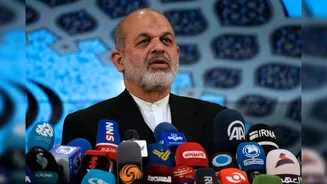
of Iran’s Islamic Revolutionary Guard Corps (IRGC) has suggested, pointing to a possible strategy of attrition rather than an early end to the war. Mohammad Reza Naqdi, a senior adviser to the IRGC commander, saidTehran’s priority was to establish deterrence strong enough to prevent future attacks on Iran. “We have to attain deterrence so that the enemy never dares to attack us, so we can live with security,” Naqdi said in a PBS interview, as quoted by CNN. He suggested that extending the conflict could be one way of imposing long-term costs on Washington. “One way is to prolong this war until we get to the next term of the presidency and cause attrition, so that if anyone else wants to attack Iran, they will know there is a cost,” Naqdi said.
Trump Claims US Has ‘Total Control’ Of Strait Of Hormuz
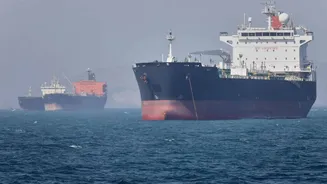
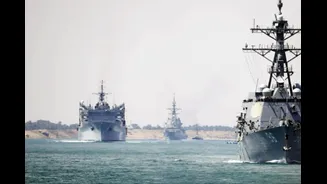
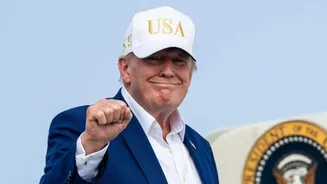
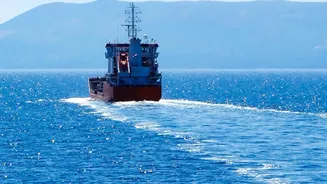
The comments come as Trump has claimed that the US has established control over the strategically vital Strait of Hormuz while portraying Iran’s military capabilities as severely depleted.
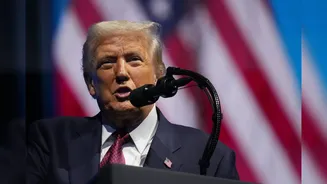
In a post, Trump said the US had “total control” over the waterway and suggested Washington could maintain that control.
“The USA has total control over the Strait of Hormuz. I THINK WE WILL KEEP IT!” Trump said, describing the US naval blockade as a “WALL OF STEEL.”
Trump further claimed that Iran had lost much of its military strength, saying the country had no functioning navy or air force and that the IRGC had been “decimated.”
He also accused Tehran of being economically crippled, pointing to soaring inflation and a lack of funds.
Trump ended the message with: “Praise be to Allah!”
Trump’s Iran War Dilemma: Pressure Mounts For An Exit
Despite Trump’s tough rhetoric, the US president appears to be facing growing challenges in finding a way to end the conflict.
Months of fighting, stalled negotiations and mounting economic pressure have complicated Washington’s efforts to secure a quick resolution. The Trump administration has increasingly turned back to sanctions, arguing that further pressure on Iran’s economy could push Tehran towards accepting US demands.
But the conflict has also become increasingly difficult to contain.
Hormuz Crisis Sends Oil Prices Higher
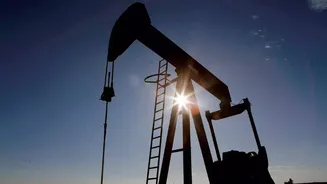
Iran’s effective closure of the Strait of Hormuz has added to concerns over global energy supplies, with oil prices remaining elevated.
US oil futures have stayed above pre-war levels, while Washington has reportedly drawn down more than 100 million barrels from its Strategic Petroleum Reserve since the beginning of 2026.
The developments have raised concerns over the wider economic fallout of the conflict, particularly if disruptions to one of the world’s most important oil transit routes continue.
Falling US Weapons Stocks Add To Trump’s Challenges
Trump is also facing tighter room for manoeuvre as US weapons stockpiles decline and repeated rounds of negotiations have failed to produce a lasting breakthrough.
Despite the setbacks, Trump continues to maintain that sustained military and economic pressure can force Tehran to make concessions.