




What is the story about?
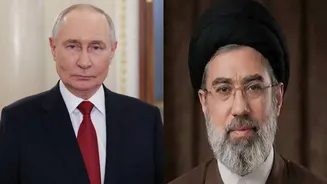
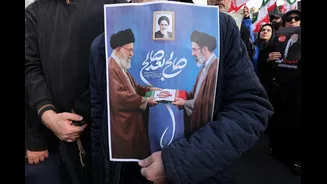
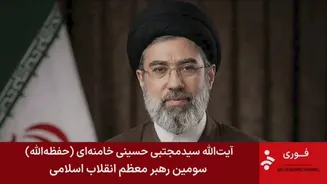
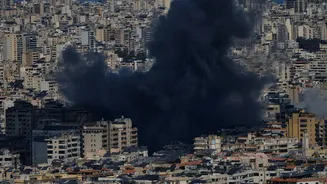
Iran intensified its military actions against Israel and Gulf nations on Monday, shortly after state media announced Mojtaba Khamenei, the son of the late
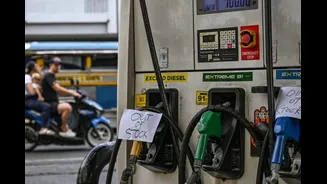
supreme leader, as his successor. The new leadership is expected to play a significant role in shaping Iran's war strategy. In response to the escalating tensions, oil prices surged, raising concerns that increased energy costs could exacerbate inflation and reduce consumer spending in the United States. The Tokyo Stock Exchange's Nikkei 225 index dropped by as much as 7% during early trading, with other Asian markets also experiencing declines.
Saudi Arabia Issues Warnings
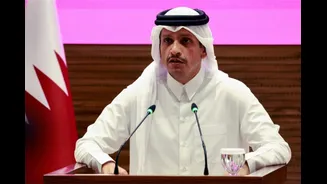
Saudi Arabia has issued stern warnings to Iran, stating that it would be the "biggest loser" if it continues its military operations against Arab nations. This statement follows a drone attack that reportedly targeted the Shaybah oil field, a critical asset for the Saudi oil industry.Israeli Strikes on Iranian Targets
The Israeli military announced on Monday that it conducted strikes in Iran's city of Isfahan, targeting locations associated with the paramilitary Revolutionary Guard and the Basij force. The military claims to have successfully hit command centers and missile launch sites, as well as a facility for rocket engine production.Iran has not yet responded to these claims or provided details regarding any material losses incurred during the strikes, which occurred amid ongoing hostilities that began on February 28.
China's Call for Ceasefire
A Chinese envoy has urged all parties involved in the conflict to cease military actions, emphasizing the need to protect non-military targets and civilian lives. Special Envoy Zhai Jun made these comments during a meeting with Saudi Foreign Minister Prince Faisal bin Farhan, reiterating that the sovereignty and security of Gulf nations must be upheld.China, a significant importer of oil and natural gas from the Middle East, is actively engaging with regional leaders to promote stability.
South Korea Responds to Rising Fuel Prices
South Korean President Lee Jae Myung has expressed concerns about the potential impact of soaring fuel prices on the national economy. In a Cabinet meeting, he urged officials to diversify oil trade routes to reduce reliance on the Strait of Hormuz, which is critical for oil transportation.The president's remarks came after South Korea's stock market experienced an 8% decline, reflecting fears about the ongoing conflict's effects on the country's trade-dependent economy. Lee has also called for the activation of a market stabilization fund to mitigate volatility in stock prices and to monitor potentially disruptive market behaviors, such as fuel price manipulation.
Foreign Minister Cho Hyun announced that Seoul is negotiating with Gulf states to explore alternative trade routes, potentially including ports in the United Arab Emirates.