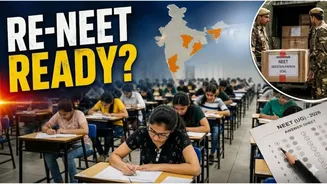











The National Testing Agency (NTA) has issued a fresh warning to NEET UG candidates and their parents about fraudulent Telegram channels claiming to provide
access to the June 21 re-exam question paper. In a post on X, NTA urged aspirants to watch an explanatory video detailing how scammers are exploiting exam-related anxiety to deceive students. According to the NTA, some Telegram channels have been demanding amounts ranging from ₹14,000 to ₹25,000, while others allegedly sought as much as ₹10 lakh, falsely promising access to the re-exam paper. The agency clarified that there is no leaked paper for the NEET re-examination and warned that candidates risk losing both money and personal information if they engage with such channels. The NTA noted that details like admit cards and WhatsApp numbers shared with fraudsters could later be misused in further scams. The NTA also highlighted a second form of misinformation involving “proof” videos circulating online. These videos allegedly show messages that appear to have been sent before the examination. However, the agency explained that Telegram channel administrators can edit old messages while retaining the original timestamp, creating the false impression that a paper was shared in advance. In a detailed video message, the Director General of the NTA explained how fake paper-selling rackets operate on Telegram. According to the agency, some channels have been demanding payments through UPI and even cryptocurrency while falsely claiming to possess the NEET UG re-exam question paper. Investigations have confirmed that these claims are fake, and that the actual question papers remain completely secure within the official chain of custody. The video further explained that Telegram’s message-editing feature can be misused to alter the content of old messages while retaining their original dates, making it appear as though a question paper was shared before the examination. The NTA said this misuse of the platform is among the reasons authorities have sought temporary restrictions on certain Telegram channels and backdated message editing features. The agency also noted that Prof. V. Kamakoti, Director of IIT Madras, has explained the technical aspects of Telegram message editing in videos shared in the replies to the NTA’s post. These videos aim to help candidates and parents understand how misleading content can be fabricated and circulated online.
Urging students not to fall for rumours or fraudulent offers, the agency advised candidates to stay calm, focus on revision, and trust their preparation. It also appealed to parents to protect their children from financial fraud and unnecessary panic. Reiterating its commitment to a fair and credible examination process, the NTA said that success in NEET comes through hard work and preparation—not Telegram channels or fake question papers.