







What is the story about?
Tehran: France and Iran are locked in a diplomatic row after Paris accused an Iranian Revolutionary Guard Corps (IRGC) cyber unit of launching attacks
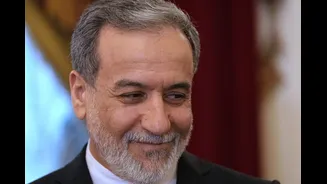
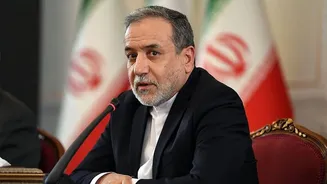
that disrupted refrigeration systems at hundreds of supermarkets across the country. Tehran rejected the allegations and hit back at the French government. Mocking France, Iranian Foreign Minister Seyed Abbas Araghchi accused the government of being "unable to manage fridges". "Unable to manage fridges, let alone address the grievances of its people, the French government is shifting blame for its failures onto others," Araghchi posted on the social media platform X.
"Yes, Iran is powerful. But unlike France, we do not exercise power by supporting massacres in Gaza or bombings of schools and hospitals," he added.
Araghchi's remarks came in response to an official declaration of attribution issued by the French Ministry for Europe and Foreign Affairs, which directly linked the coordinated cyber campaign on French territory to the Islamic Republic of Iran.
A statement issued by the French diplomatic authorities said the cyberattack took place overnight between October 11 and 12, with hackers remotely manipulating temperature controls in refrigeration systems at more than 700 supermarkets. The operation reportedly led to food losses worth "tens of millions of euros" and triggered fires in several refrigeration units.
On Tuesday, France summoned Iran's ambassador over the cyberattacks. Foreign Minister Jean-Noel Barrot accused Iran's Revolutionary Guards of orchestrating the attacks, warned of possible French cyber retaliation and said Paris would push for EU sanctions against Tehran.
"The summoning of the Iranian ambassador, announced by the minister yesterday, took place this morning," the French Foreign Ministry said in a statement.
Speaking to France Info television, Barrot said France would push for EU sanctions in response to what he described as an "attack of unprecedented scale and aggression in our country". He added that France's cyberdefence doctrine provided authorities with a range of options.
Barrot also indicated that further action could be taken without being made public.
"We will take whatever measures are necessary, including some that we will not discuss publicly, if we judge them proportionate and necessary to deter any new attacks and punish those responsible for this unacceptable aggression," he said.
The supermarket hacks, which affected hundreds of stores in early October, were among the most disruptive cyberattacks since the Iran war began in February this year.