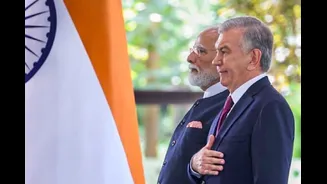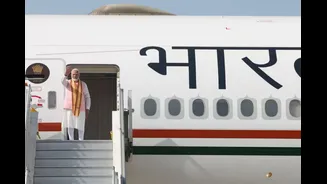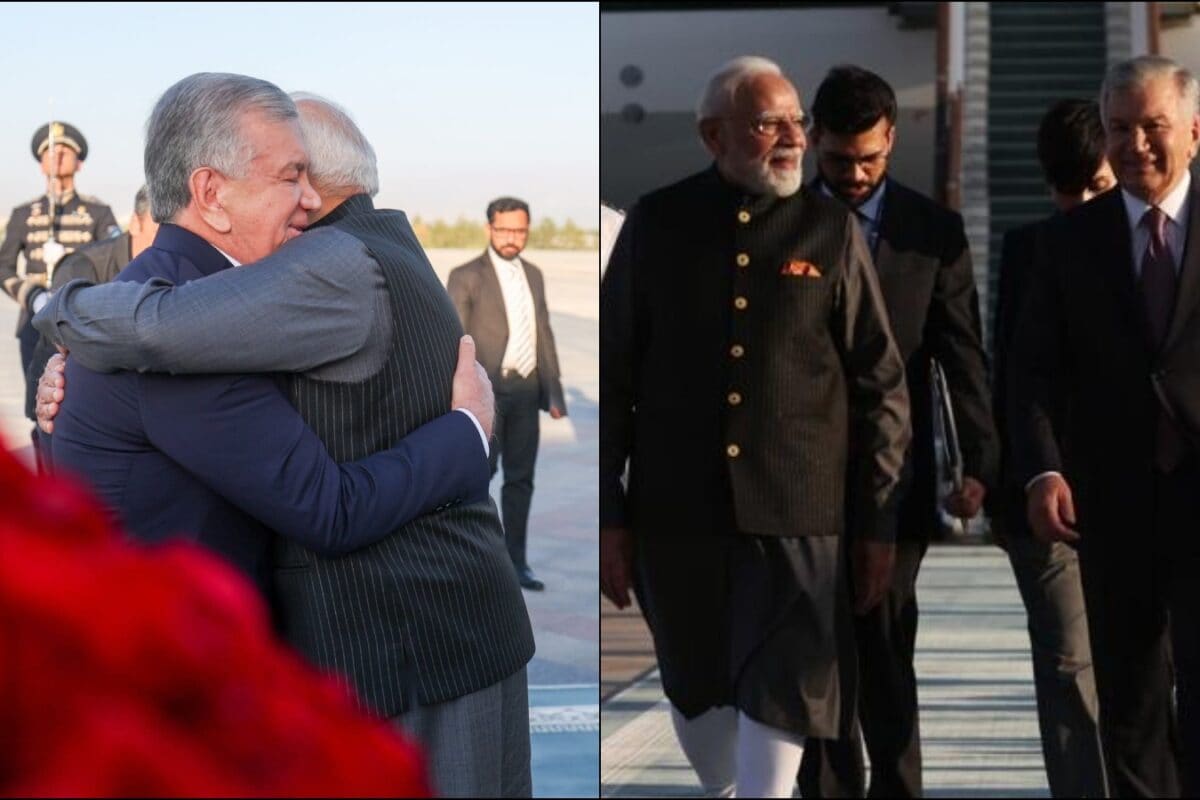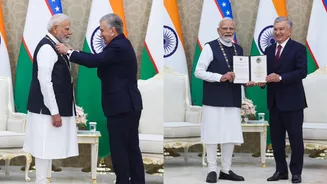




Prime Minister Narendra Modi's two-day state visit to Uzbekistan has given a major strategic push to India-Uzbekistan ties, with uranium supply emerging
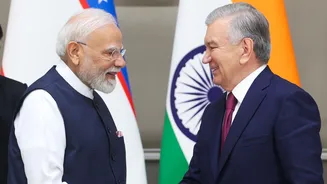
as one of the key outcomes of the visit. India and Uzbekistan have agreed to work towards a long-term arrangement for uranium supply to India, even as the two countries elevated their relationship to a Comprehensive Strategic Partnership and announced a wide-ranging set of initiatives covering mining, critical minerals, trade, digital payments, healthcare, education, environment and culture. Prime Minister Narendra Modi on Sunday held delegation-level talks with Uzbekistan President Shavkat Mirziyoyev at the Kuksaroy Presidential Palace in Tashkent, where the two leaders discussed ways to deepen strategic and economic cooperation. Among the key announcements was the decision to establish a long-term arrangement for uranium supply to India, adding a significant energy and strategic dimension to the expanding bilateral relationship. "We will also establish a long-term arrangement for the supply of uranium. Today, we are formalising three sister-city and sister-state arrangements. We should create a roadmap to fully realise their potential," PM Modi said during the talks.
Why uranium matters
The proposed uranium arrangement assumes significance for India's long-term nuclear energy ambitions and efforts to strengthen its access to strategic minerals and energy resources. Uzbekistan, which possesses significant uranium resources, has emerged as an important potential partner for India as New Delhi seeks to diversify and secure long-term supplies of nuclear fuel.
The uranium push also fits into the broader focus on mining and critical minerals during PM Modi's visit. India and Uzbekistan signed an MoU on cooperation in geology and mineral resources, aimed at strengthening collaboration in the exploration and development of mineral resources and opening up greater opportunities for cooperation in critical minerals.
The two sides also held positive discussions on a long-term arrangement for uranium supply to India. Secretary (West) in the Ministry of External Affairs, Ambassador Sibi George, said the two countries were "closing in to signing of an agreement very shortly", signalling that the uranium understanding could soon move from discussions to a formal agreement.
At a special briefing on the Prime Minister's visit, George underlined the importance of the new strategic framework and the outcomes achieved during the visit.
"The elevation of ties to a comprehensive strategic partnership together with substantial outcomes across education, trade and commerce, culture, traditional medicine, environment, people-to-people exchanges and of course mining and the uranium which I spoke about provides a strong framework for taking our bilateral cooperation forward," George said.
Beyond uranium and minerals, the two leaders also discussed cooperation in urban development. Modi highlighted Uzbekistan's 'New Tashkent' project and India's GIFT City in Gujarat, saying the two sides could exchange expertise and best practices in developing modern urban centres.
Cooperation was also expanded across digital payments, healthcare, education, traditional medicine, environment, culture and people-to-people exchanges.