
President Donald Trump’s plan to bring Russian diesel into international markets is facing growing uncertainty, with multiple tankers changing course and
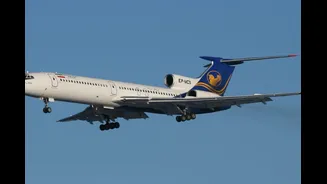
potential buyers reluctant to handle the shipments amid legal and sanctions-related concerns. Despite Washington’s assurances that the fuel will eventually fiind buyers, the developments have raised questions about whether the agreement with Moscow can deliver the intended results. The latest setback involves the Malta-flagged tanker Agioi Fanendes, which was carrying Russian diesel towards the US East Coast before slowing down and entering an “awaiting orders” status. The situation has unfolded against a backdrop of political opposition, conflicting interpretations of US sanctions and concerns among port operators about possible legal consequences. US Energy Secretary Chris Wright has dismissed concerns about the tanker’s sudden slowdown, maintaining that the shipment can still reach the international market even if it does not unload at its initially indicated destination. Asked whether he was concerned that the vessel, which had previously signalled New York as its destination, had stopped moving towards the port, Wright said the administration was not worried. "Not at all. No, it'll go to another port," Wright told reporters in New Orleans. "We just want that diesel going into the world markets." The comments suggest Washington remains focused on finding international buyers rather than ensuring the fuel arrives at a specific US port. However, the vessel's uncertain destination shows the difficulties surrounding the arrangement. Shipping data showed that the Agioi Fanendes had been travelling from Russia's Baltic port of Primorsk after loading approximately 40,000 metric tons of ultra-low sulphur diesel on October 22. The tanker was initially expected to deliver its cargo on November 7. However, its Greek-based manager, Eastmed, subsequently confirmed that no discharge port had been finalised. "Nothing has changed regarding the vessel's destination; she is still awaiting orders," Greece-based vessel manager Eastmed told Reuters on Tuesday. Multiple Tankers Change Course As Buyers Remain Cautious The Agioi Fanendes is not the only vessel facing uncertainty. Several other tankers that initially indicated the US Atlantic Coast as their destination have subsequently changed their routes. The Russian tanker Talisman and the Sierra Leone-flagged Leruo, which departed Primorsk last month, were reportedly heading towards Brazil and the Mediterranean, respectively, according to shipping information from Kpler and MarineTraffic. Another tanker operating in the North Atlantic changed its destination from New York to “for orders”, indicating that its eventual unloading location had not been established. Meanwhile, the sanctioned Seychelles-owned tanker Beast, which loaded diesel at Primorsk in late October, has reportedly headed towards the Atlantic. Russia has dispatched four diesel-carrying vessels since the agreement was announced. Nevertheless, the changing routes and lack of confirmed buyers have raised doubts about whether the promised deliveries will materialise as expected. Shipping analysts also point to the Agioi Fanendes' declining speed as evidence of its uncertain commercial status. Ellie Valencia, a senior analyst at Vortexa, said the vessel had slowed from approximately 10 knots to around 2 knots. "What you can interpret from the speed is directly related to the status of the ship which is "FOR ORDERS", most likely meaning that it doesn’t yet have a specific buyer," Valencia said. Legal Disputes Put Trump's Russian Diesel Agreement Under Pressure Political and legal opposition has emerged as another major obstacle to the proposed imports. New Jersey Governor Mikie Sherrill has warned port authorities and terminal operators against accepting Russian diesel, arguing that the shipments could violate existing federal restrictions. She also cautioned that companies and individuals involved in handling the fuel could face substantial civil and criminal penalties. Lawmakers from both political parties have similarly questioned the legality of the arrangement, maintaining that restrictions on Russian energy imports remain applicable until Moscow ends its aggression against Ukraine. The dispute centres on the Trump administration's decision to temporarily ease certain sanctions restrictions to facilitate Russian diesel sales. Sherrill has challenged the administration's authority to override the existing import ban, while the Treasury Department maintains that its temporary exemption complies with applicable legislation. The uncertainty has made fuel traders, financial institutions and port operators increasingly cautious about participating in the transactions. Matt Smith, an analyst at Kpler, told AP that the regulatory concerns were discouraging companies from accepting the shipments. Deal With Moscow Promised Millions Of Tonnes Of Diesel Trump announced the arrangement with Russian President Vladimir Putin following a telephone conversation on October 9. Under the proposed agreement, Russia would initially release more than 300,000 tonnes of diesel for the US and international markets. Another 500,000 tonnes were expected in November, followed by an additional 1 million tonnes. The arrangement represented a significant departure from US energy policy established after Russia launched its full-scale invasion of Ukraine in February 2022. Former President Joe Biden had prohibited imports of Russian oil and petroleum products as part of Washington's response to the invasion. Trump's decision to facilitate the new shipments has also attracted criticism from lawmakers who supported additional sanctions against Moscow. Despite the substantial volumes announced, important commercial details remain undisclosed. Neither Washington nor Moscow has publicly clarified the complete payment arrangements, the prices involved or the identities of the companies expected to purchase the fuel. Russian Diesel May Find Buyers Outside The United States With US ports facing political pressure and traders concerned about potential legal consequences, international markets could become the more realistic destination for the shipments. The first diverted vessels have reportedly headed towards Brazil and the Mediterranean, although the ultimate destinations of several cargoes remain uncertain. The quantities involved may also have a limited impact on US fuel prices. Analysts have suggested that the initial shipment represents only a small fraction of American consumption, making it unlikely to provide substantial relief to consumers. Nevertheless, Moscow remains confident that the fuel will eventually be sold. Kremlin spokesman Dmitry Peskov said “all the diesel will find its buyers.” Russian President Vladimir Putin's special envoy, Kirill Dmitriev, also rejected reports questioning the arrangement, describing them on X as “fake” and insisting that “tankers destined for the US continue on course.” (With Agency Inputs)