





What is the story about?
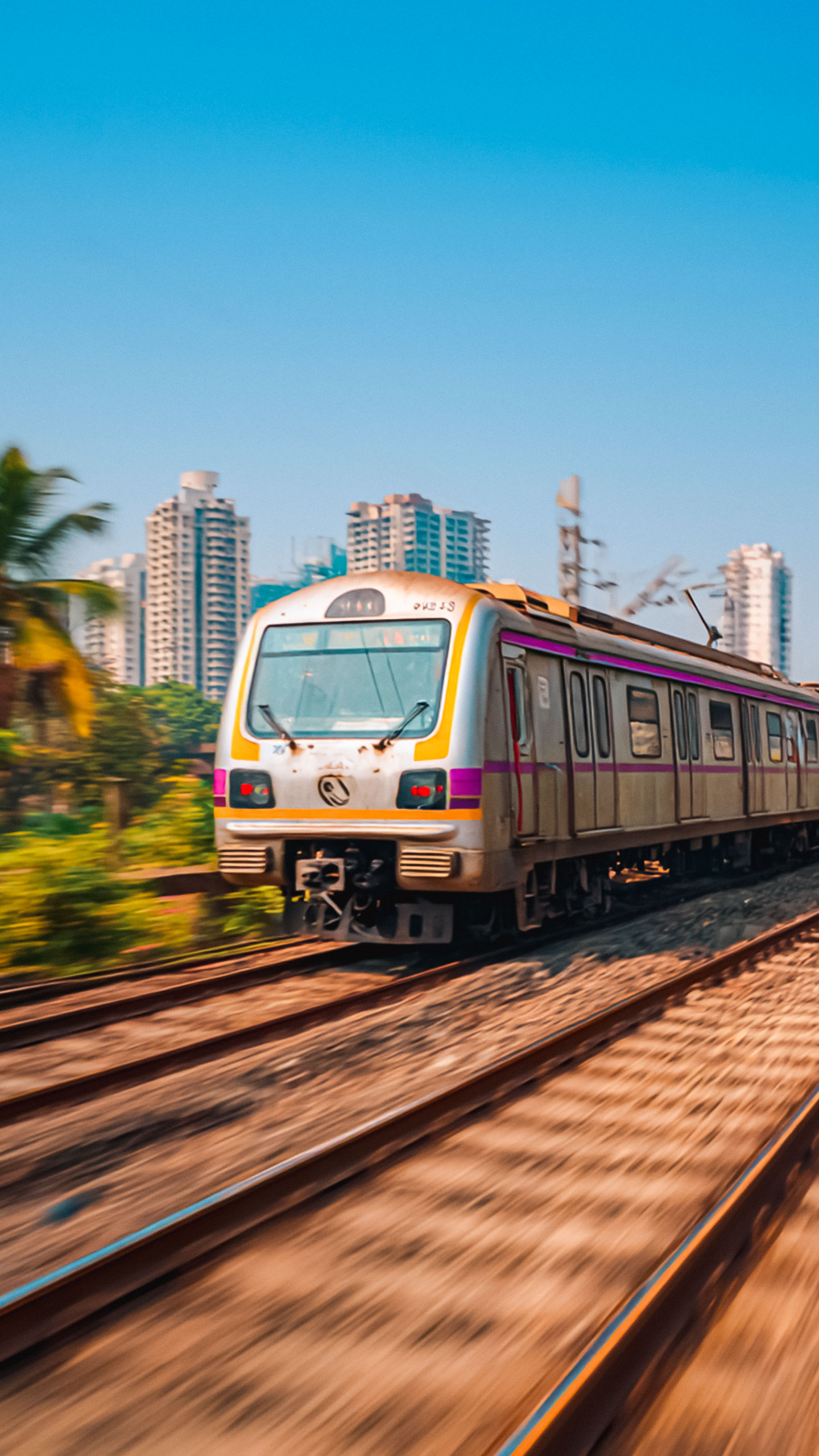
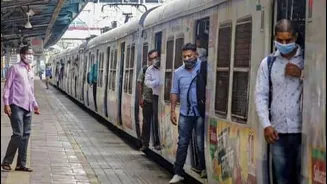
Mumbai local train services were delayed by 25 to 30 minutes on Tuesday morning (April 21), causing major inconvenience to daily commuters. The delays
were reported on the Central Railway line due to unseasonal rainfall and thunderstorms in Navi Mumbai and Raigad district during peak office hours. Thousands of office-goers and early morning travellers were left stranded as trains running towards Chhatrapati Shivaji Maharaj Terminus (CSMT) from Kalyan, Thane, and Panvel were running behind schedule.
Mumbai Local Train: Heavy Crowd at Stations, Diva Worst Hit
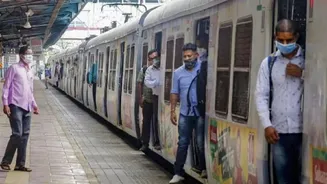
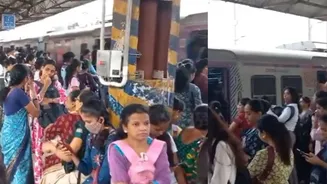
According to reports cited by Lokmat Times, a huge crowd gathered at Diva railway station as multiple trains were delayed. Platforms were packed with frustrated passengers trying to board already crowded trains.
Many commuters complained that delays have become a regular issue, especially during the morning rush. The situation turned chaotic as people rushed to catch trains, increasing the risk of accidents.
Frustrated passengers took to social media to highlight the issue and demand action from Central Railway authorities.
One commuter shared a video showing multiple delayed trains and wrote, "This is the daily condition of the Central Railway Mumbai local train schedule. Average 15 to 20 mins late every day due to which people rush, risking their lives and accidents occur. When all office timings are tracked, then why not railway employees' timings not track?"
Second Day of Disruption After Derailment
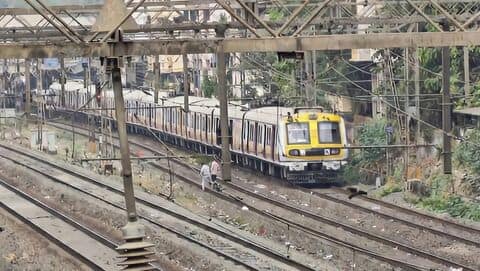
Train services were already affected a day earlier after a derailment near Dombivli station on Monday. The incident had disrupted schedules, and the ripple effect continued into Tuesday morning.
The combination of technical disruption and sudden rainfall made the situation worse for passengers. Many commuters reported being late to work and facing difficulties in planning their travel.
With Mumbai heavily dependent on its suburban railway network, even minor delays can impact lakhs of people. Commuters are now hoping for better coordination and timely updates from railway authorities to avoid such chaos in the future.