




In the catastrophic Nepal floods, India’s Unified Payments Interface (UPI) is finding a new role. Not as a payment option for Indian tourists, but as a channel
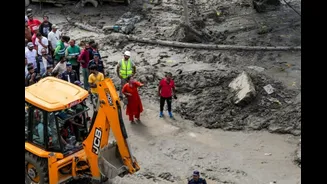
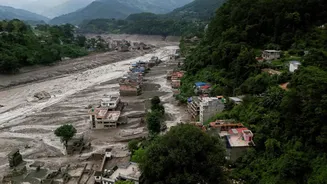
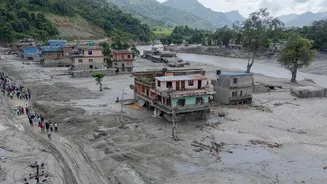
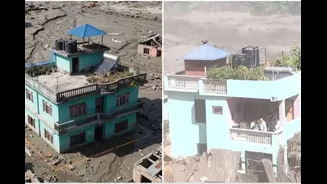
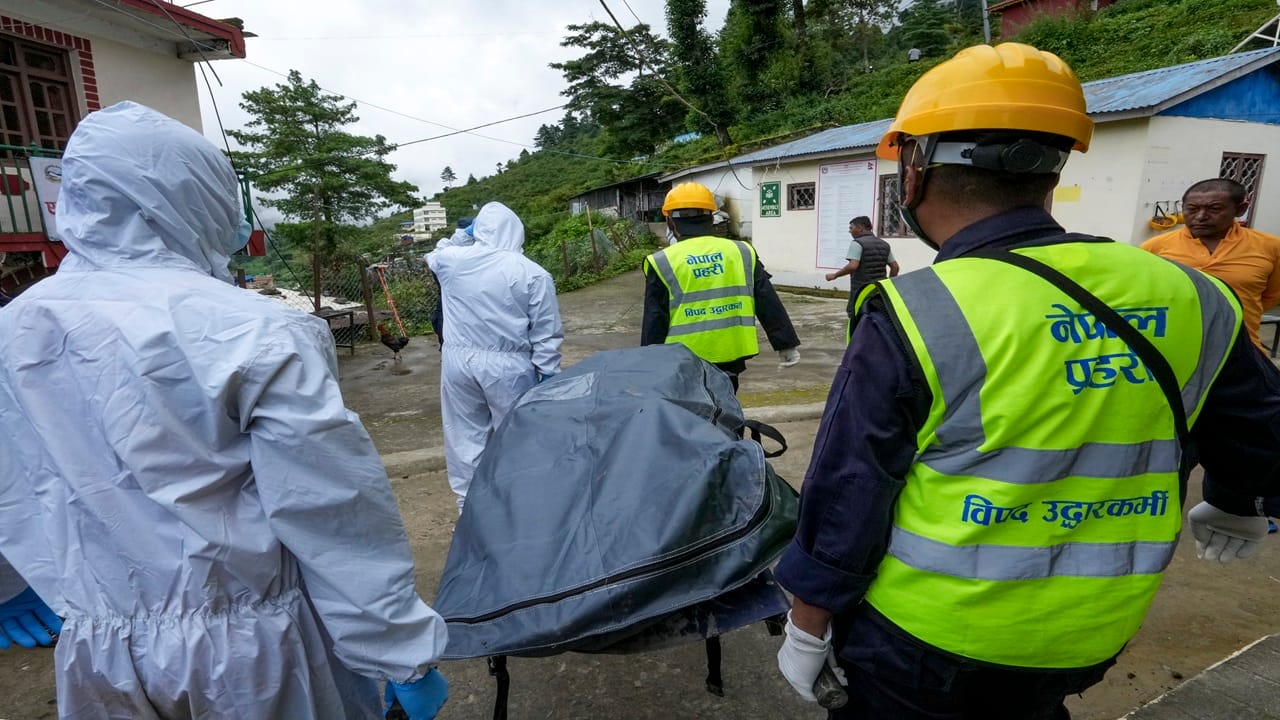
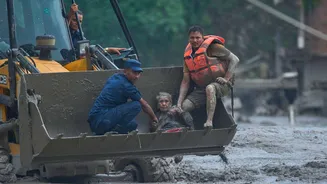
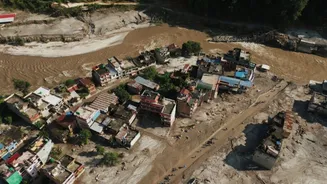
for Indians to contribute to the country’s disaster relief efforts. Nepal’s devastating flash floods death toll rose to 1,127 on Wednesday, while 4,858 people remain missing, as rescuers race to locate survivors and recover bodies on eight day after the Himalayan disaster. As per the Nepal Police, 348 bodies were recovered from Chitwan, 217 from Nawalparasi East, 190 from Nawalparasi West and 155 from Nuwakot while another 66 bodies were recovered from Gorkha, 59 from Dhading, 45 from Rasuwa and 38 from Tanahu. Role of UPI in Nepal Floods: The Embassy of Nepal in India has urged the Indian who are unable to make the payments to the Prime Minister Disaster Relief Fund through designated QR codes to update UPI International. It has asked the people in India to make contributions to PM Disaster Relief Fund to switch on UPI International on their UPI or banking apps before making the payment. “Friends and well-wishers in India who are encountering difficulty while contributing to the Prime Minister Disaster Relief Fund of the Government of Nepal by scanning the designated QR codes are kindly requested to activate ‘UPI International’ in their UPI/banking application before proceeding with the payment,” the embassy said in a post on X.
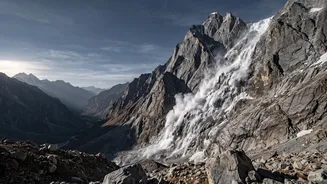
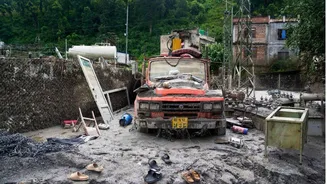
The appeal comes after deadly flash floods near the Nepal-Tibet border disrupted communications and affected parts of Nepal.
Nepal calls for climate compensation:
Nepal's Foreign Affairs Minister has called for climate compensation after last week’s devastating flash floods killed more than 1,000 people and left thousands missing.
Foreign Affairs Minister Shisir Khanal said China, the United States and India, which he identified as the world’s top industrial emitters of carbon dioxide, have a “historical responsibility to compensate” countries such as Nepal that are highly vulnerable to climate change, The Kathmandu Post reported.
Nepalese authorities have urged people living in the central, western, and eastern parts of the Himalayan Nation to remain alert after water levels in three major rivers have crossed their alert levels following rainfall in different parts of the country.