





US Senator Rick Scott has reached back to one of the most damaging episodes in Pakistan's relationship with Washington to question why Islamabad was given
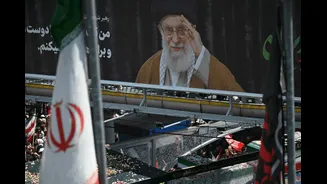
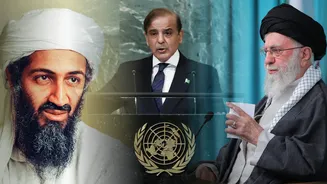
a role in mediating the Iran War. “Bin Laden hid out for a decade.” His remarks came after Pakistani Prime Minister Shehbaz Sharif praised Ayatollah Ali Khamenei at the former Iranian Supreme Leader's funeral, triggering a fresh round of criticism in the United States over who Washington has relied upon to help navigate the conflict. Scott's argument was direct. The Florida senator said the United States “needs to remember who Pakistan really is in the middle of all this”, before pointing to Osama bin Laden's presence in Pakistan, the country's blasphemy laws and Sharif's remarks about Khamenei. Pakistan, he argued, was “no better qualified to 'mediate'” the conflict than Qatar.
Pakistani Prime Minister Shehbaz Sharif at Khamenei Funeral in Tehran: He Was a Great Scholar and Leader Whom Millions of Muslims Will Remember; Pakistan and Iran Will March Together under All Circumstances pic.twitter.com/dweLPCecOf
— MEMRI (@MEMRIReports) July 5, 2026
'Bin Laden Hid Out For A Decade': Rick Scott Targets Pakistan
“We're talking about a country where bin Laden hid out for a decade, where they selectively enforce lopsided blasphemy laws to persecute Christians, and where the Prime Minister just praised the genocidal mass murdering tyrant that used to run Iran,” Scott wrote on X. He then compared Islamabad with Qatar, describing the latter as “Hamas-harboring” while questioning the credentials of both countries as mediators. The remarks are Scott's political assessment of Pakistan and its role in the Iran conflict.
We need to remember who Pakistan really is in the middle of all this.
We’re talking about a country where bin Laden hid out for a decade, where they selectively enforce lopsided blasphemy laws to persecute Christians, and where the Prime Minister just praised the genocidal mass… https://t.co/7SRIGGwyI1— Rick Scott (@SenRickScott) July 6, 2026
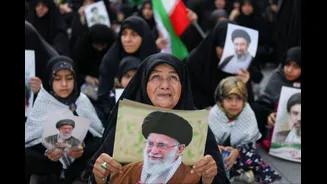
What prompted the latest intervention was a video of Sharif speaking after Khamenei's death. In the clip shared by Memri TV, the Pakistani Prime Minister described the former Iranian leader as a “great scholar and leader” who had shown “resilience, courage, patience and vision”. Sharif added that millions of Muslims around the world would remember him.
Shehbaz Sharif Says Pakistan, Iran 'Hearts Beat Together'
Sharif went further while describing Pakistan's relationship with Iran. “Pakistan and Iran are two brotherly countries, and our hearts beat together,” he said. “We will stand together, and we shall march together under all circumstances.”
That language quickly travelled beyond Tehran. Fox News commentator Mark Levin reacted to the clip in capital letters: “THIS CLOWN WAS ONE OF OUR MEDIATORS WITH IRAN! It seems unimaginable. Let's get our act together, America.” The criticism centred not simply on Sharif attending Khamenei's funeral, but on the warmth of his praise at a time when Pakistan had been involved in mediation efforts during the US-Iran conflict.
Pakistan's Iran Mediation Has Faced Questions Before
This is not the first warning from Republican lawmakers. Senator Lindsey Graham, a close ally of Donald Trump, said in May that Pakistan acting as a mediator was “more than problematic”, citing Islamabad's long-standing hostility towards Israel and what he described as disturbing rhetoric from senior Pakistani officials. Graham also alleged at the time that Iranian military aircraft were being housed at Pakistani air bases.
The Abraham Accords have become part of the same argument. After Pakistani Defence Minister Khwaja Asif said Islamabad would not join the accords because it did not trust Israel, Graham called on Pakistan to respond to Trump's push for countries to join the framework. “The clip may be a year old, but I fear the sentiment is fresh,” the senator said.