




A CNN analysis of publicly available aviation data has found that US military intelligence-gathering flights off the coast of Cuba have surged dramatically
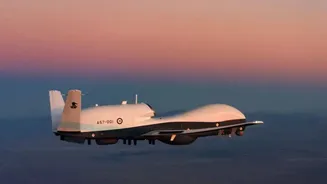
since early February. According to FlightRadar24, the Navy and Air Force conducted at least 25 such missions between February 4 and the time of reporting, using both manned aircraft and drones. Several of those flights came within 40 miles of the Cuban coastline, putting them well within range of collecting meaningful intelligence. The bulk of the missions were carried out by P-8A Poseidon maritime patrol aircraft, built specifically for surveillance and reconnaissance work. An RC-135V Rivet Joint, a plane that specializes in gathering signals intelligence, was also spotted on several runs. A number of MQ-4C Triton high-altitude reconnaissance drones rounded out the operation. What makes the data particularly striking is not just the volume of flights, but how abruptly they started. Before February, publicly visible surveillance activity of this kind in the area was exceedingly rare.
What Trump Has Been Saying About Cuba
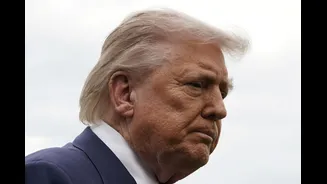
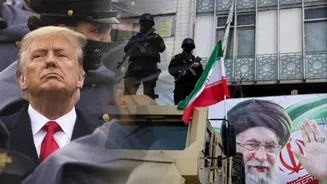
The timing of the flight surge lines up with a noticeable hardening in Trump's public rhetoric toward the island nation. In the weeks leading up to the spike in surveillance activity, the president reposted a comment by Fox News contributor Marc Thiessen suggesting Trump would visit a "free Havana" before leaving office. Just days after that post appeared, Trump ordered an oil blockade of Cuba.Since then, the administration has expanded its sanctions regime against the country and described Cuba as a "threat" to US national security. Cuban officials have pushed back firmly, dismissing the suggestion that their government poses any danger to the United States while also stating they remain open to negotiations. They have not been shy about warning that any military attack would be met with an extended guerrilla resistance.
A Pattern the Administration Has Used Before
What is drawing the most attention from analysts is how closely this sequence of events mirrors what happened before two of the Trump administration's most significant recent military actions.In Venezuela, Trump began making pointed public statements about President Nicolas Maduro in the lead-up to the first US strike on an alleged drug vessel in the Caribbean in September. Publicly visible surveillance flights off the Venezuelan coast appeared about a week later and continued, with some gaps, right up until US special forces kidnapped Maduro in his Caracas compound earlier this year.
READ MORE: US Navy Drone Spotted Flying Along Cuba's Coast Amid Rising Tensions
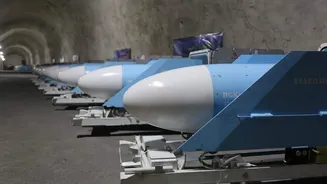
Iran followed a similar arc. A large and overt collection of intelligence-gathering aircraft, including the same P-8A Poseidon, RC-135V Rivet Joint, and MQ-4C Triton aircraft now being spotted near Cuba, conducted extensive surveillance of Iran's southern coastline in the period before joint US and Israeli strikes hit the country.
The same planes. The same sequence. A different target.
What Cuba Is Saying
Cuban officials have not remained silent. While insisting they pose no threat to the United States and expressing willingness to negotiate, they have also made clear they are prepared to resist any military action. The government has dismissed Trump's framing of Cuba as a national security threat as baseless.Whether the surveillance flights represent genuine preparation for military action, a pressure campaign designed to force negotiations, or something in between remains unclear. What the flight data makes harder to dismiss is that the United States is paying very close attention to what is happening on and around that island right now.