







The United States has accused Cuba of carrying out one of the most extensive foreign intelligence operations ever conducted against Washington, alleging
that Havana successfully infiltrated the highest levels of the US government over several decades. The allegations were outlined in a new State Department report released on Monday as President Donald Trump intensifies his campaign against Cuba's communist government. The report claims Cuba's intelligence apparatus conducted "one of the most durable and damaging foreign intelligence penetrations in American history," accusing Havana of embedding agents deep inside US institutions while cultivating political networks across the country. The allegations come amid a renewed deterioration in US-Cuba relations under the Trump administration.
State Department Levels Serious Espionage Allegations
According to the report, Cuban intelligence agencies "have infiltrated the highest reaches of the US government, recruited and cultivated generations of American activists, and backed an unprecedented wave of left-wing terrorism on American soil."
One of the many explosive revelations in this new State Department report is that the Venceremos Brigade—which has brought 10,000+ American left-wing activists to Cuba, including high-profile Democratic politicians like LA Mayor Karen Bass—was built and run by actual Cuban spies. https://t.co/6X7evXNifT pic.twitter.com/piW0lK2w6b
— Nate Hochman (@njhochman) July 20, 2026
The State Department argued that Cuba's intelligence operations extended well beyond traditional espionage, alleging a long-running strategy aimed at influencing American politics, expanding ideological networks and gathering sensitive government information. However, despite the strong language, the report contains little publicly disclosed new evidence beyond intelligence activities that have been documented over previous decades.
Espionage Between Washington And Havana Has Long History
Espionage has remained a defining feature of US-Cuba relations since the Cold War, with both countries conducting extensive intelligence operations against one another for decades. Several high-profile Cuban espionage cases—including the activities of the so-called "Cuban Five" and former US Defence Intelligence Agency analyst Ana Belén Montes—have previously exposed Havana's ability to penetrate American institutions.
At the same time, the United States has maintained extensive intelligence operations directed at Cuba throughout the post-revolution period. The latest report revives longstanding security concerns but does not fundamentally alter the known history of intelligence competition between the two countries.
Trump Returns To Maximum Pressure Strategy
The report coincides with President Donald Trump's renewed hardline policy towards Havana after reversing much of former President Barack Obama's diplomatic opening. In 2015, the Obama administration restored diplomatic relations with Cuba following more than five decades of hostility, arguing that engagement offered a better path towards improving bilateral ties.
Trump subsequently reinstated a tougher approach, redesignating Cuba as a State Sponsor of Terrorism and expanding sanctions against the communist government.
Cuba Again In Crosshairs Of Trump Administration
The espionage allegations also align with broader rhetoric from the Trump administration portraying communist governments in the Western Hemisphere as strategic security threats. President Trump has repeatedly argued that Cuba and Venezuela remain central to what he describes as anti-American activity in the region.
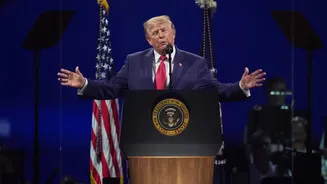
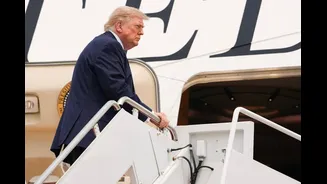
In June, Trump stated that Washington would be "taking over" Cuba "almost immediately," signalling continued pressure on the island's leadership. The latest State Department report reinforces that confrontational approach by portraying Cuban intelligence operations as an enduring national security challenge while placing renewed focus on Havana's alleged influence inside the United States.