








What is the story about?
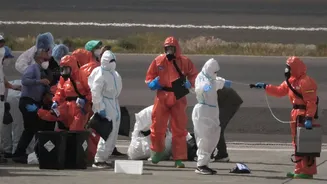
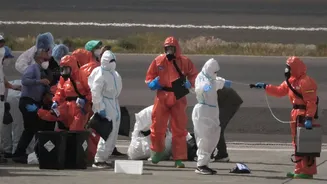
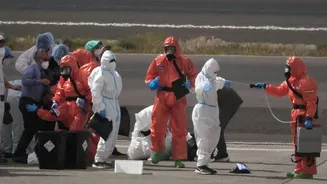
ALBUQUERQUE, N.M. (AP) — An outbreak of hantavirus, a rare rodent-borne illness, aboard a cruise ship has resulted in three fatalities and additional illnesses
among passengers. Health officials assert that the overall risk to the general public remains low, as the virus does not spread easily from person to person. Maria Van Kerkhove, the World Health Organization's director of epidemic and pandemic preparedness, emphasized the seriousness of the disease, stating, “This is not the next COVID, but it is a serious infectious disease. Most people will never be exposed to this.”
Hantavirus Overview
Hantaviruses, which have existed for centuries, are found globally and gained renewed attention following the death of Betsy Arakawa, the wife of actor Gene Hackman, due to a hantavirus infection in New Mexico last year.The virus primarily spreads through inhalation of contaminated dust from rodent droppings. However, the Andes virus responsible for the current outbreak may have the potential for rare human-to-human transmission, prompting health officials to implement additional precautions for returning passengers.
Potential Source of Outbreak
Ongoing investigations are focusing on the source of the cruise ship outbreak. Officials in Argentina suspect the virus may have been contracted during a birdwatching trip in Ushuaia, although local health authorities note that the virus has not been previously identified in the region.Argentina has reported a rise in hantavirus cases, which local health experts attribute to climate change affecting rodent populations.
Transmission and Symptoms
The hantavirus is primarily transmitted through contact with rodents or their waste products, especially when these materials are disturbed. Typical exposure occurs in homes, cabins, or sheds, particularly during cleaning activities in poorly ventilated spaces.Dr. Jeanne Marrazzo, chief executive officer of the Infectious Diseases Society of America, noted that research is ongoing to understand how the Andes virus may spread among humans, with indications that individuals may be infectious when symptomatic.
Progression of the Illness
Infections can escalate quickly, presenting initially with flu-like symptoms such as fever, chills, and muscle aches. Symptoms of hantavirus pulmonary syndrome typically manifest one to eight weeks after exposure, potentially leading to severe respiratory issues.The other known syndrome, hemorrhagic fever with renal syndrome, can cause severe complications, including bleeding and kidney failure, usually appearing within one to two weeks post-exposure.
The Centers for Disease Control and Prevention (CDC) estimates a fatality rate of approximately 35% for hantavirus pulmonary syndrome, while the mortality rate for hemorrhagic fever with renal syndrome varies between 1% and 15%.
Prevalence of Hantavirus Infections
Globally, hantavirus infections remain relatively rare. The World Health Organization reported 229 cases and 59 deaths across eight countries in the Americas in 2025.Argentina's health ministry indicated that there were 28 hantavirus-related deaths nationwide last year, with 101 infections reported since June 2025, representing a significant increase compared to the previous year.
In the United States, health officials have monitored hantavirus since a notable outbreak in 1993 in the Four Corners region, which highlighted the risk of exposure in rural areas, particularly in states like New Mexico and Arizona.
Concerns Surrounding the Andes Virus
The hantavirus family is named after the Hantaan River in Korea, where the first hantavirus was identified. Hantaan virus caused significant illness during the Korean War, leading to numerous infections and fatalities.While person-to-person transmission of hantaviruses is generally uncommon, the Andes virus has shown potential for such transmission in the current outbreak. The World Health Organization advises that close and prolonged contact is necessary for such transmission to occur.
Steven Bradfute, an associate professor at the University of New Mexico Health Sciences Center, reassured that significant person-to-person spread of hantavirus has not been observed historically, indicating that a widespread outbreak is unlikely at this time.
Research and Prevention Strategies
Currently, no specific treatment or cure exists for hantavirus infections, though early medical intervention can enhance survival chances. Despite ongoing research, many questions regarding the illness remain unanswered, including why some cases are mild while others are severe.Preventive measures focus on minimizing exposure to rodents and their droppings. Public health experts recommend using protective gear when cleaning areas potentially contaminated with rodent waste and advise against sweeping or vacuuming, which can aerosolize the virus.