






What is the story about?
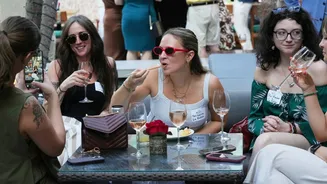
MIAMI (AP) — Lesley VanNess has attended the South Beach Wine & Food Festival for nearly a decade, drawn by the opportunity to engage with celebrity chefs
like Rachael Ray and Bobby Flay. This festival, a popular gathering of food enthusiasts, has attracted tens of thousands of participants willing to spend significant amounts to partake in its events. However, the landscape of food festivals is changing. With the rise of social media, attendees like VanNess now find they can interact with culinary stars online, diminishing the need to attend large-scale events for access to these personalities.
The Evolution of Food Festivals
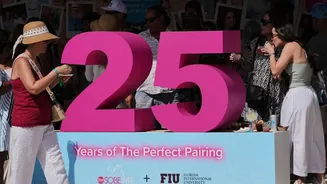
Last weekend marked the 25th anniversary of the South Beach Wine & Food Festival, establishing it as a significant player in the culinary event scene alongside similar festivals in New York City and Aspen, Colorado. While these larger festivals continue to thrive, many smaller events have struggled to survive, facing challenges such as the pandemic, rising costs, and decreased interest from chefs.Mike Thelin, a founder of the now-defunct Feast Portland festival, noted that while established events like South Beach and New York fill a niche, the broader category of food festivals is evolving. He stated that the initial need for chefs to reach a wider audience through festivals is becoming outdated.
A New Focus on Local Events
Despite the challenges faced by larger festivals, Thelin believes that there is a shift towards smaller, localized events that highlight regional specialties. He emphasized the importance of understanding what makes each region unique, rather than participating in generic, large-scale gatherings.One example of this trend is the AAPI Food & Wine festival, which showcases the culinary contributions of Asian Americans and Pacific Islanders. Founder Lois Cho remarked on the significant change in the foodie scene, stating that many have overlooked the potential of diverse culinary pairings and narratives.
Similarly, the Southbound Food Festival in Birmingham, Alabama, celebrates local chefs while integrating art and music into its programming. Co-founder Nancy Hopkins highlighted the diminishing appeal of celebrity chefs, noting that attendees are more interested in celebrating their local culinary culture.
Sustained Popularity of Major Festivals
Despite the rise of smaller events, Thelin confirmed that the South Beach Wine & Food Festival and its New York counterpart remain popular. Tickets for this year's festival, which featured over 500 chefs and food personalities, sold out quickly, demonstrating continued interest in these major gatherings.Lee Schrager, the organizer of both festivals, asserted that the original concept of the South Beach festival continues to resonate. He pointed out the distinct experience of attending intimate dinners with chefs, contrasting it with the accessibility offered by social media.
Reflecting on the festival's growth, Schrager noted that the inaugural South Beach event featured only ten chefs, while this year's attendance exceeded 30,000. The festival has raised over $45 million for the Florida International University Chaplin School of Hospitality and Tourism Management over its 25 years.
Schrager also acknowledged the financial challenges faced by smaller festivals, which often cannot sustain themselves in the same manner as larger events. He reported that his festival generated $7 million in ticket sales this year, with sponsorships contributing an additional $6 million.
Celebrity chef Rachael Ray, a consistent participant in these festivals, emphasized the value of in-person connections with fans. She expressed her enjoyment of engaging directly with attendees, highlighting the importance of real-life experiences in her culinary journey.