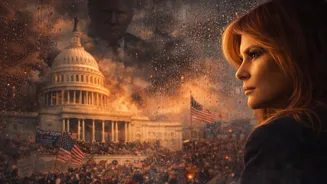







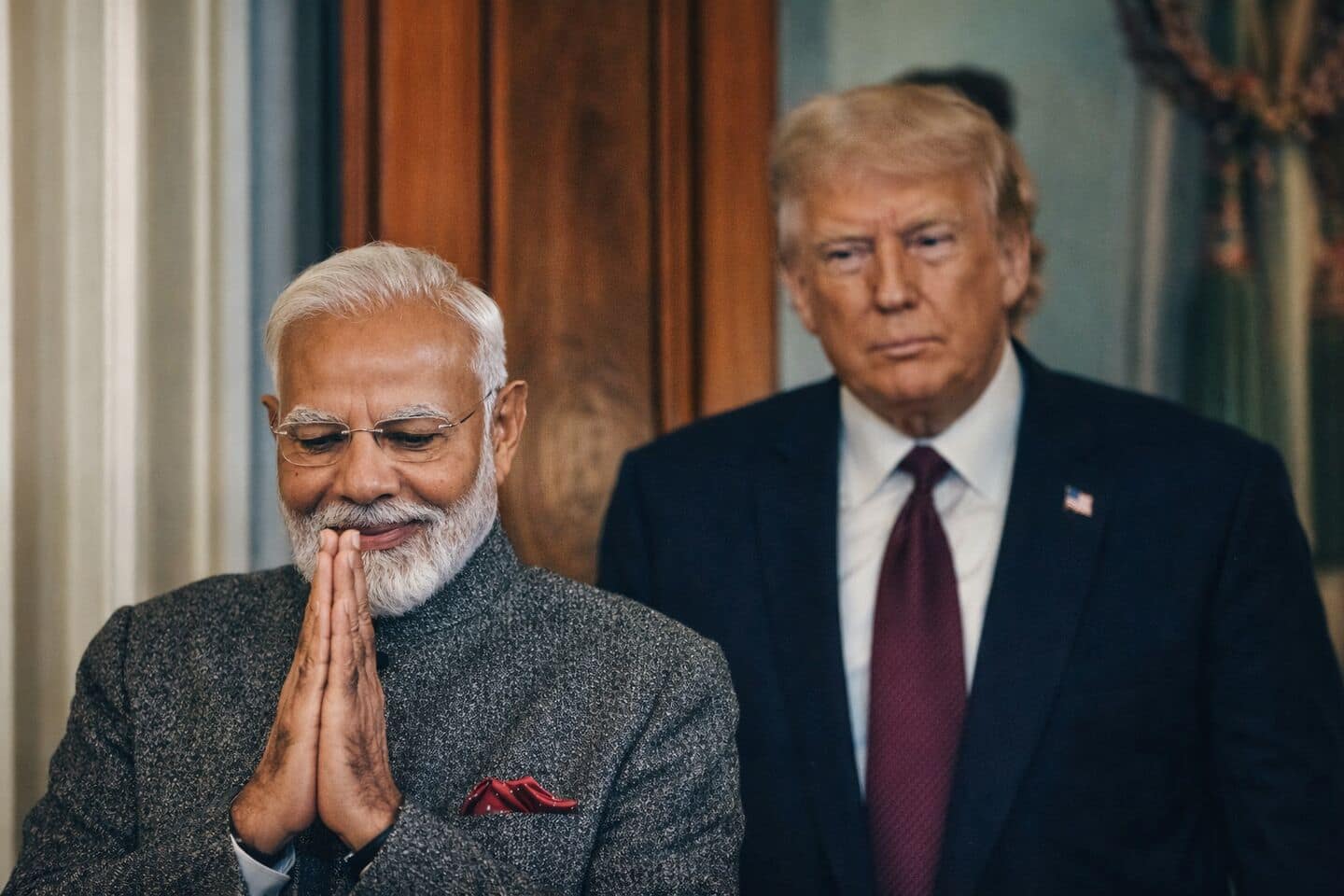
Melania Trump’s documentary is scheduled for release on January 30, 2026. The film is said to document the 20 days before US President Donald Trump’s second
inauguration, and, according to the First Lady, the film provides a “window into an important period for America”, and it will bring “families together” to learn more about “her life”. The screening is being done at a time when the political landscape in the United States is unusually charged after anti-ICE protests have erupted in Minneapolis and other American cities following the fatal shooting of ICU nurse Alex Pretti during a federal immigration enforcement operation. The incident that was caught on video has become a topic of a bigger debate on the use of force and immigration policy by the US government, headed by Melania’s husband, President Donald Trump. The film presents a personal account, and when measured against the public record of the Trump presidency and the current volatile situation, what stands out is not just what the documentary shows but also what it carefully leaves unsaid. The unmissable absence is January 6, 2021… attack on the US Capitol. The attack during Trump’s first term has been examined through elaborate congressional investigations, sworn testimony, criminal indictments and detailed timelines released over several years. The Melania documentary, however, has no reference to the day, its fallout, or even Melania Trump’s position inside the White House as unfortunate events unfolded. Given the volume of official records now in the public domain, the silence is questionable, more so, when we are talking “important period” of the country. The much-talked-about film also keeps its distance from policy and its real-world impact. Melania Trump’s “Be Best” initiative remains largely personal in focus. The documentary fails to reference the administration’s major decisions that affected thousands of families, women and children, particularly during immigration crackdowns aimed at eliminating “aliens” — a term frequently used by Donald Trump for immigrants. These policies by the Trump administration have been widely debated (are being debated), examined through court rulings, government data and official investigations. Still, the film does not say of these issues were ever discussed BTS or what the stance was of a First Lady who herself came to the United States as an immigrant. Most of those difficult connections and conversations, if there were any, are unexplored in the documentary. Recent events mirror this pattern. During protests in Minnesota after Pretti’s death, Melania Trump issued a brief public call for unity and peaceful protest. Reports at the time noted that while she acknowledged unrest, she avoided addressing the immigration enforcement actions that triggered it. The documentary seems to have adopted a similar approach — recognising moments of tension without engaging with their political or institutional causes. There is also no insight into BTS White House dynamics. Publicly documented accounts from former officials, aides and contemporaneous records describe frequent staff turnover, disagreements and internal strain during the Trump years. The film neither confirms nor challenges these narratives, choosing instead to remain tightly focused on Melania Trump’s ‘personal’ experience. What has added to the controversy is the director of this film - Brett Ratner, who has been accused of sexual harassment and is said mentioned in the ‘unsealed’ Epstein files. Ratner was mostly out of the scene after multiple allegations of sexual misconduct in 2017, amid the #MeToo movement. Melania Trump chose to ignore this controversy too. Taken together, this silence, and omissions define the documentary’s scope. The film’s aims align with Melania Trump’s long-established public image: reserved, selective, and communicating more through silence than assertion. Meanwhile, on Wednesday, according to a New York Times report, the film was taken off from theaters in South Africa, where it was scheduled to release on January 30. The development came after the distributor announced it would no longer release it, citing “recent developments”. If the high-profile film, which President Trump has touted as a “must watch”, will be a hit or bomb only time will tell but theaters have reported thin advanced ticket sales, despite Amazon investing $40 million for the rights to the film. Setting aside the business bit, what the documentary does not say is essential to understanding exactly what it is meant to be — and what it consciously is not. A risk? A propganda? A genuine mistake?