






What is the story about?
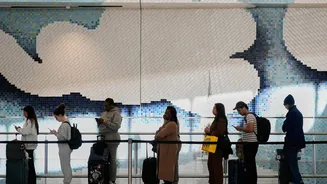
Travelers worldwide are experiencing a new reality characterized by rising fees, limited flight options, and challenging decisions regarding the value
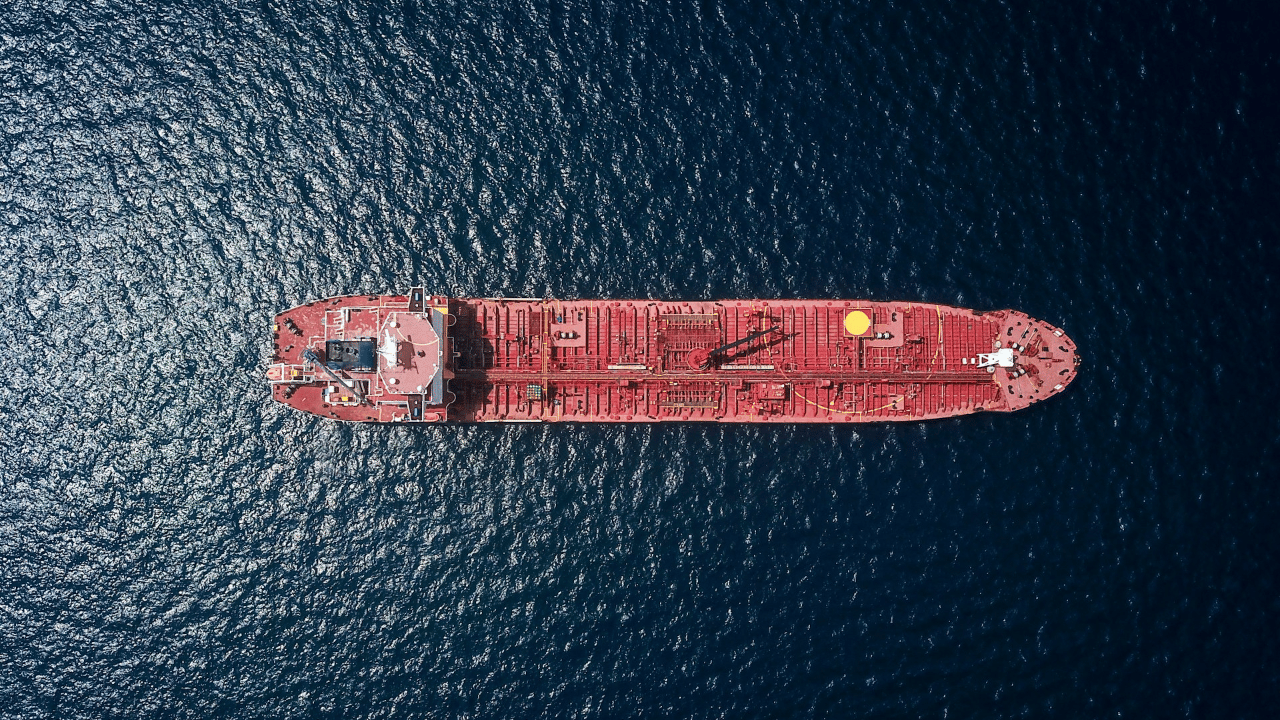
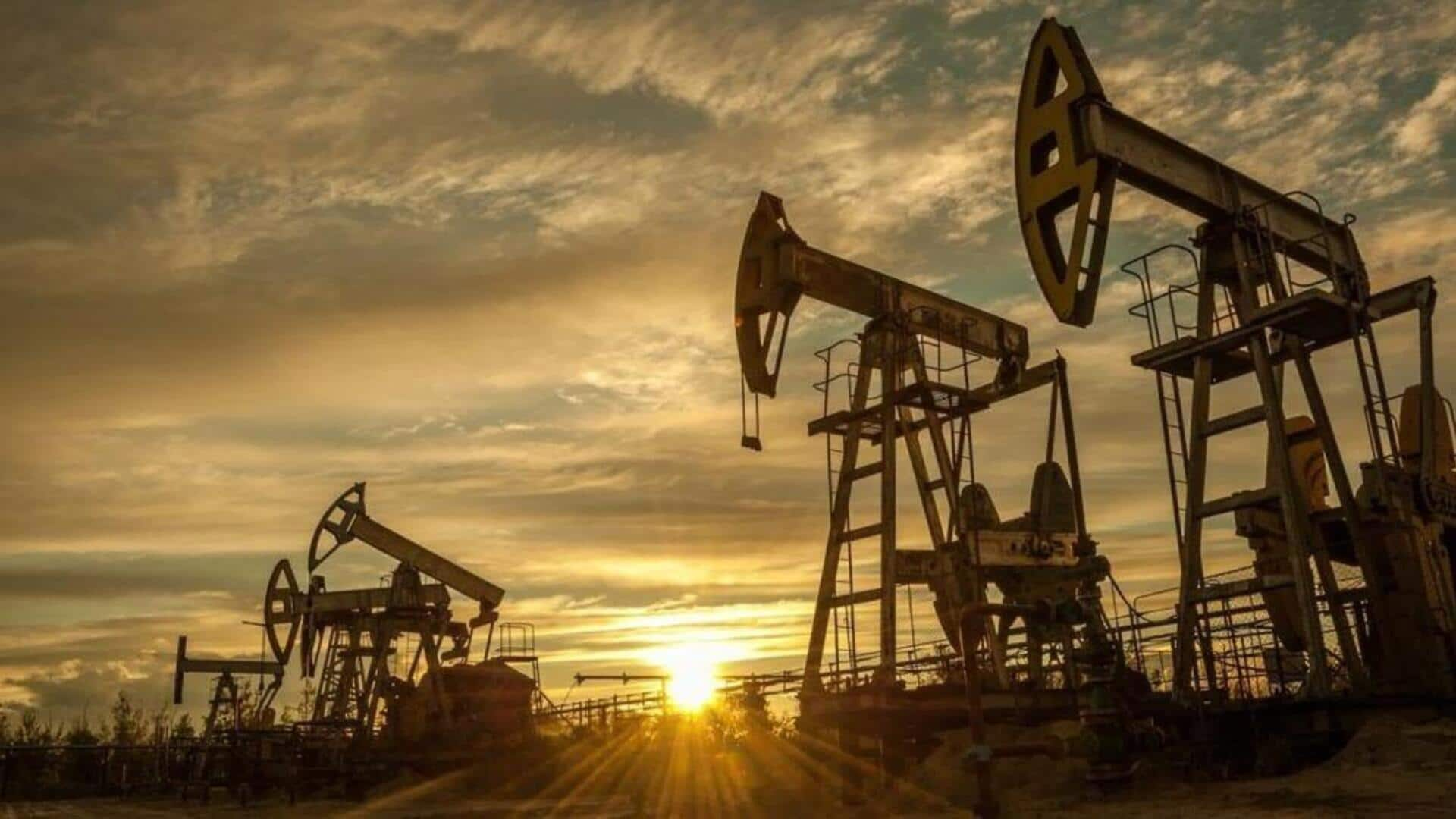
of their trips. This shift is primarily driven by fluctuating oil and jet fuel prices. The recent spikes in these prices have been largely attributed to the ongoing conflict in the Middle East, particularly near the Strait of Hormuz, a critical chokepoint for global oil supplies.
Airlines' Response to Fuel Price Fluctuations
Airlines are reacting cautiously to the volatile fuel market by trimming their schedules and adjusting fares, a strategy that experts suggest will have widespread implications for nearly all travelers. Budget airlines and cost-sensitive customers are likely to feel the impact first, but even those flying in premium classes will not be spared from increased prices and reduced convenience.In recent weeks, oil prices have fluctuated dramatically, reaching a peak of $119 per barrel before dropping below $95 after a temporary ceasefire announcement in the Middle East. However, uncertainty persists as Iran has once again restricted access to this vital shipping route in response to regional tensions.
Shye Gilad, a former airline captain and current business professor at Georgetown University, stated, 'When prices move quickly in both directions, it’s very hard for airlines to make predictions. That’s why there’s a lag between oil market moves and what passengers see in ticket prices.'
This lag means that even if oil prices decline, travelers may not see immediate relief, as airlines often take months to adjust their fares in response to changes in fuel costs.
Delta Air Lines CEO Ed Bastian remarked, 'At this level of fuel, it’s hard to call anything temporary,' highlighting the pressure on airlines to raise fees in light of escalating operating expenses.
Financial Impacts on Airlines
Bastian also noted that higher fuel prices could add approximately $2 billion to Delta's operating costs in the upcoming quarter. Similarly, United Airlines CEO Scott Kirby warned that sustained high jet fuel prices might lead to an additional $11 billion in annual expenses, exceeding the carrier's earnings in its most profitable year.According to the International Air Transport Association, the average global jet fuel price surged to $209 per barrel last week, significantly up from around $99 at the end of February when the conflict began.
Travelers flying from the U.S. to destinations such as Hong Kong and New Delhi are already feeling the financial strain, as U.S. carriers have integrated these increased operating costs into their ticket prices and ancillary fees. Major airlines, including Delta, United, Southwest Airlines, and JetBlue, have all raised their checked baggage fees.
United Airlines has also modified pricing strategies in its premium cabins, introducing a 'pay for what you want' model that turns previously standard perks into optional extras.
In response to the price hikes, Cathay Pacific has increased fuel surcharges by approximately 34% across its routes, while Air India has added fees of up to $280 on certain flights. Other airlines, including Emirates, Lufthansa, and KLM, have adjusted their pricing structures accordingly.
Changes in Flight Scheduling
Beyond rising costs, the unpredictability of the market is influencing how travelers plan their trips. Bill Moorehouse, a solutions director who travels frequently for work, expressed concerns about disruptions to carefully arranged schedules, stating, 'Right now, it just feels like it’s more likely that things could go wrong and throw your trip off course.'As a result, Moorehouse has chosen to limit his travel to nearby destinations for the time being.
Airlines are also adjusting their flight schedules in response to rising fuel costs. BNP Paribas estimates a 5% reduction in global flight schedules for April compared to earlier projections, with most cuts occurring in the Middle East, although reductions are also noted in Europe, Asia, and North America.
United Airlines is implementing a 5% reduction in its planned flights, focusing on less profitable routes and temporarily suspending some international services to avoid incurring losses from high fuel prices. The airline plans to cut redeye flights and routes during historically low-demand days.
Delta has also decided against adding more flights this summer, resulting in approximately 3.5% fewer available seats than initially planned.
The Impact on Travelers
The current situation underscores why larger carriers are generally better equipped to manage spikes in fuel prices compared to low-cost airlines, which often lack the flexibility to absorb unexpected expenses. Major airlines can utilize dynamic pricing strategies, sell seats at higher rates, or deploy larger aircraft on certain routes, allowing them to reduce flights without significantly impacting overall capacity.Gilad noted, 'Leisure travelers and budget-conscious travelers are going to absolutely feel it first because it may make the difference between going and not going.'
For some, like Anna Del Vecchio from Seattle, the increased costs have already altered travel plans. Del Vecchio, who traditionally visits family in Philadelphia before heading to Paris each spring, has found ticket prices approaching $1,400, nearly double her usual expenditure.
'It wasn’t even scratching the surface for the flight this time, so I decided to delay the trip,' Del Vecchio said, adding that if airfare surpasses $1,500, she may have to forgo her annual journey altogether.
'It might be the kind of thing where it just ends up being that I have to travel less,' she concluded.