






What is the story about?
Research indicates that a significant portion of sunscreen applied during swimming activities ends up in ocean waters, posing risks to coral reefs. An
estimated 25% of sunscreen washes off, resulting in approximately 5,000 tons of chemicals entering reef areas annually. Coral reefs, which support a quarter of marine species despite occupying only 0.1% of the ocean, face threats from various stressors, including sunscreen chemicals. Although these chemicals are a lesser stressor compared to climate change, they can adversely affect coral larvae and disrupt growth, prompting scientists to call for consumer action.
Sources of Pollution
Sunscreen pollution is not limited to recreational swimming; chemicals can also enter waterways through showering, washing towels, or urinating after beach visits. Studies indicate that sewage systems are a primary contributor to sunscreen contamination in oceans, as conventional treatment facilities struggle to remove many UV filter compounds, which ultimately flow into rivers and the sea.Chemicals of Concern
The most concerning chemicals in sunscreens are oxybenzone and octinoxate, which have been shown to harm coral larvae. A study in the Archives of Environmental Contamination and Toxicology found that oxybenzone can deform coral larvae and trigger bleaching by causing corals to expel essential algae. This bleaching weakens corals, making them more susceptible to disease and starvation under stress.Oxybenzone can be toxic at concentrations as low as 62 parts per trillion, equivalent to one drop in six Olympic-sized swimming pools. For instance, nearly 2,600 daily visitors at Hanauma Bay in Hawaii contributed around 412 pounds of sunscreen to the ocean each day, underscoring the scale of the issue.
There are also rising concerns regarding other chemicals such as octocrylene, avobenzone, and homosalate, which have been detected in marine organisms, raising questions about seafood safety.
Craig Downs, executive director of Haereticus Environmental Laboratory, stated, “We measured the level of oxybenzone in locally caught fish. It was scary. These chemicals move through the food chain, then we eat it.”
Mineral Sunscreens and Their Limitations
While mineral sunscreens containing zinc oxide and titanium dioxide are generally considered safer alternatives, they come with certain caveats. Experts recommend using non-nano forms of these minerals, as larger particles are less likely to be inhaled or absorbed by marine organisms. However, zinc oxide may contain trace heavy metals, and comprehensive ecotoxicity testing of these products remains limited.Consumers should also be cautious of inactive ingredients, as oils and fragrances can harm marine life. Some manufacturers add UV filters to mineral sunscreens to maintain SPF levels, which can be linked to potential coral toxicity.
Consumer Recommendations
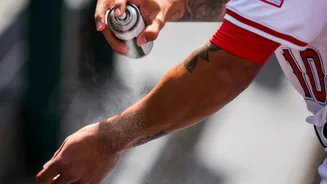
Experts suggest reducing sunscreen use by opting for clothing, rash guards, hats, and seeking shade. Craig Downs emphasized, “If you put on a rash guard or long sleeve swim shirt, you basically cover up 50% of your body, which means you don’t need 50% of the sunscreen. From a conservation perspective, that’s a massive win.”When sunscreen is necessary, consumers should look for products with non-nano zinc oxide or titanium dioxide. Although mineral sunscreens may leave a white residue, newer formulations offer more sheer options. Experts also advise against aerosol sprays, which can disperse chemicals into the environment.
Regulatory Landscape
Hawaii became the first U.S. state to ban sunscreens containing oxybenzone and octinoxate in 2018 due to their harmful effects on coral reefs. Key West, Florida, has enacted similar measures, while Palau and the U.S. Virgin Islands have restricted a broader range of harmful chemicals.Despite these bans, the broader market remains largely unregulated, with terms like “reef safe” lacking standardized definitions. Michael Sweet, head of the Nature-based Solutions Research Centre, noted, “People can just write whatever they want on a bottle, and there’s no validation, no testing, no standardization.”
Some independent certifications, such as Protect Land + Sea, aim to guide consumers toward safer products, though they do not replace comprehensive ecological safety testing.