







What is the story about?
Restaurants across the United States are increasingly adopting smaller portion sizes to cater to changing consumer preferences and budgetary considerations.
From well-known chains like Olive Garden to local eateries, establishments are introducing special menus featuring petite, affordable servings aimed at diverse dining needs.
Meeting Diverse Dining Needs
Restaurants are shifting their offerings to include smaller servings beyond traditional children's menus to accommodate various diners. Many patrons seek to spend less while dining out, while others prioritize healthier eating or weight management. Maeve Webster, president of culinary consulting firm Menu Matters, noted that younger consumers often prefer snacking throughout the day rather than consuming larger meals.“These changes reflect how people perceive their relationship with food, their spending habits, and what constitutes good value,” Webster stated.
Value for Customers
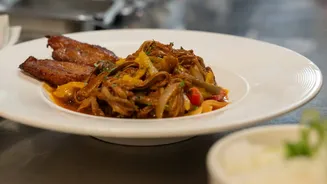
At Daniel Girls Farmhouse Restaurant in Connersville, Indiana, co-owner Beth Tipton introduced an eight-item Mini Meals menu after receiving numerous requests for smaller portions. This menu includes options like a half piece of meatloaf served with green beans, mashed potatoes, and gravy for $8, which now constitutes about 20% of the restaurant's orders.Tipton shared that older adults represent a significant portion of her clientele, with some expressing that the regular menu prices were beyond their budgets. Having undergone weight-loss surgery herself, she recognized the need for accessible options that do not carry the stigma of being labeled as 'kids meals.'
“We aimed to make smaller portions available to everyone without the label of ‘kids meals’,” Tipton said. “Given the rising costs, we wanted to help in any way we could, and this is a great option.”
Catering to GLP-1 Users
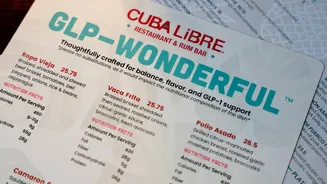
Some restaurants are developing specialized menus to attract users of GLP-1 weight-loss and diabetes medications such as Zepbound, Wegovy, Ozempic, and Mounjaro.Restaurateur Barry Gutin encountered friends using GLP-1s who struggled to find suitable meals that fit their dietary requirements. Recognizing that these users often have reduced appetites, Gutin, who co-owns Cuba Libre Restaurant and Rum Bar in several locations, collaborated with a weight-loss specialist and the restaurant's culinary director to create the GLP-Wonderful menu.
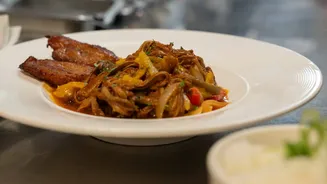
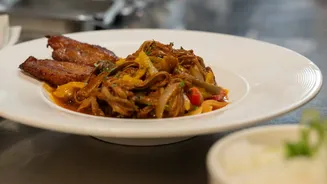
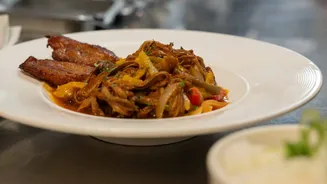
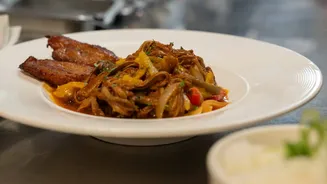
This menu features five classic Cuban dishes with adjusted portion sizes, such as a pollo asado dish reduced from nearly 1,000 calories to 400 while maintaining high protein and fiber content. Culinary director Angel Roque emphasized the importance of making these meals both flavorful and visually appealing.
“We wanted to demonstrate that customers on such diets can enjoy dining out just like everyone else at Cuba Libre,” Roque said.
Gutin reported an increase in business, estimating that 10 to 20 groups at each location request the GLP-Wonderful menu weekly.
“Customers express gratitude for catering to their needs,” Gutin noted.
Adapting in the Restaurant Industry
Olive Garden launched its seven-item “Lighter Portions” menu nationwide in January, considering GLP-1 users and those seeking healthier or more affordable meal options. Rick Cardenas, president and CEO of Olive Garden’s parent company, Darden Restaurants, highlighted the diverse definitions of abundance among consumers.“There is a consumer group that believes in abundance, but that concept varies for everyone,” Cardenas stated during an investor conference call. “Consumers can choose their options. We are not overhauling our entire menu to provide smaller portions.”
Other chains like P.F. Chang's and The Cheesecake Factory have also introduced medium-sized portions and smaller, lower-priced options, respectively, while TGI Fridays is testing a menu with smaller servings.
A Lasting Shift
While smaller portions are not a new concept, the current trend appears to signal a more permanent change in the restaurant landscape. Maeve Webster believes that consumers are increasingly conscious of food waste, and smaller portions can help mitigate this concern.“This represents a fundamental need and demand from consumers, which has been building for some time due to the oversized meals often found at chain restaurants,” Webster explained. “While taking leftovers home sounds appealing, they often do not retain their quality.”
During a recent visit to Shelburne, Vermont, Jack Pless was pleased to discover the Teeny Tuesday menu at Barkeaters Restaurant, known for its locally sourced ingredients. Pless, who is in his 60s, mentioned that he can no longer consume large meals.
“Frequently, my wife and I take leftovers home, only for them to sit in the fridge for days,” Pless remarked.
Julie Finestone, co-owner of Barkeaters, introduced the Teeny Tuesday menu to boost weekday business during winter. Although she was initially concerned about the cost of offering lower-priced options, the response has exceeded her expectations.
Finestone expressed confidence that Teeny Tuesday will become a permanent feature at the restaurant.
“Some customers seek smaller meals for dietary reasons, while others simply prefer not to overindulge during the week,” Finestone said. “I believe this menu resonates with people.”