






What is the story about?
Fourteen countries, led by Saudi Arabia, have banded together to form a military coalition tasked with keeping ships moving safely through three of the world's
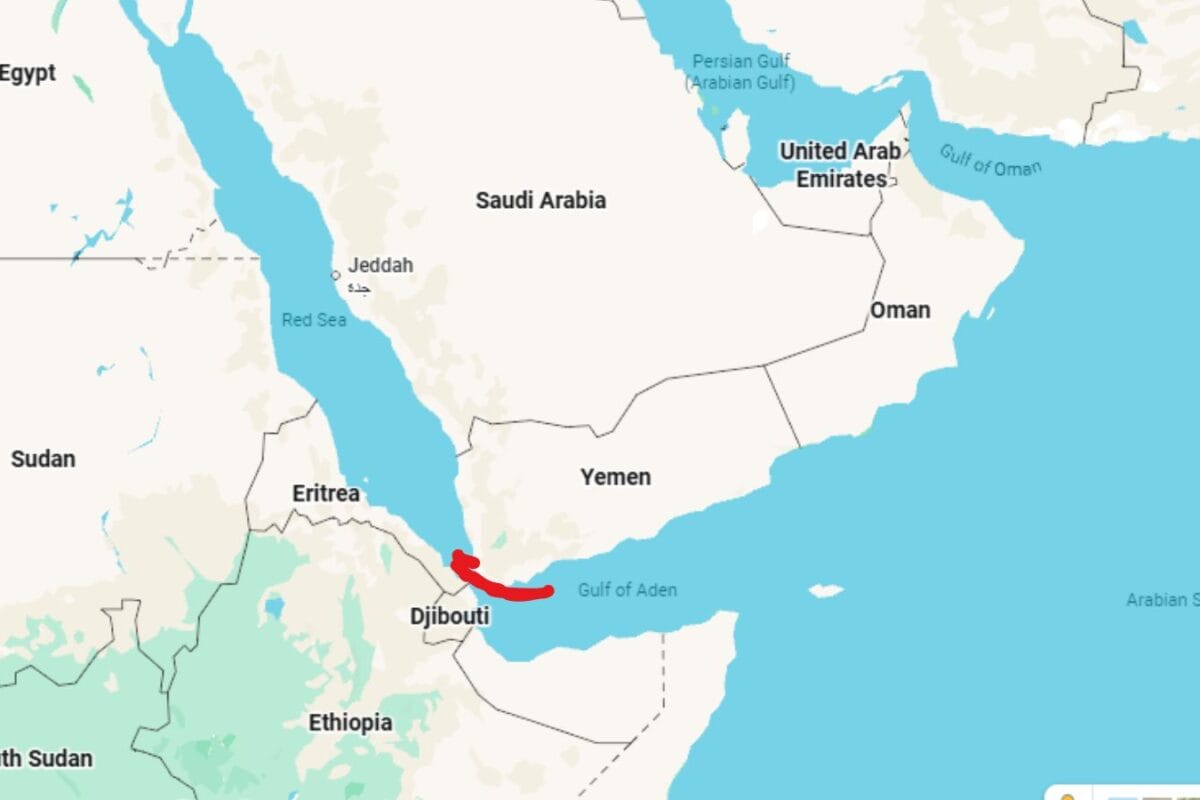
most contested waterways: the Bab al-Mandeb Strait, the Red Sea and the Gulf of Aden. Saudi Arabia's Ministry of Defence made the announcement Thursday, describing the new Multinational Maritime Defense Alliance as a way to deepen cooperation on maritime defense among member states, Al Jazeera reported.
Trade Routes Under Threat
The mission is straightforward on paper. Keep the waters open. Protect the flow of goods and energy through a corridor that links the Indian Ocean to the Mediterranean. Whether that proves easy in practice is another matter entirely.This alliance did not come out of nowhere. It follows months of escalating conflict between the United States and Iran, much of it playing out around the Strait of Hormuz, a route that once handled roughly a fifth of the planet's oil and gas exports. That route has essentially shut down, and the global economy is feeling it.
Meanwhile, a separate but related crisis has been brewing further south. Houthi fighters in Yemen, who receive backing from Iran, have launched repeated strikes against vessels passing through the Bab al-Mandeb corridor.
A Coalition With Some Notable Gaps
Fifty-one countries received invitations to join. Forty-three showed up for the meeting where the alliance was formed. Confirmed members beyond Saudi Arabia include Turkiye, Kuwait, Bahrain, Qatar, Jordan, Egypt, Pakistan, Djibouti, Somalia, Bangladesh, Yemen, Sudan and the Comoros. A delegation from the European Union also participated, which raises an obvious question since the EU already runs its own naval mission in the Red Sea called Aspides. How the two efforts will coexist has not been explained.Two absences stand out. Neither the United Arab Emirates nor Oman signed on, despite facing many of the same security pressures from the Iran-centered conflict as everyone else at the table. Saudi officials left the door open, saying other nations can still join once they finish their internal approval processes.
What the Alliance Actually Plans to Do
Details are thin. The announcement did not say what ships or aircraft any country would be contributing. What member states did commit to, according to the statement, is sharing intelligence, coordinating operational planning, and running joint military exercises together.Saudi officials were also quick to frame the coalition's purpose narrowly, describing it as purely defensive and insisting it isn't aimed at any specific country. Saudi Arabia will serve as a founding member and host the alliance's headquarters, though the announcement stopped short of naming the location.
Why Saudi Arabia Has Extra Reason to Worry
There's a personal stake in this for Riyadh beyond the broader regional picture. Just last week, Houthi rebels slapped a maritime blockade on Saudi Arabia, throwing a wrench into oil shipments that had already been rerouted through the Red Sea.Saudi Arabia has actually managed to keep most of its oil exports flowing since the war in Iran began in late February, thanks largely to the East-West pipeline. That pipeline runs from refineries in the eastern part of the country to a terminal at Yanbu on the Red Sea coast, effectively bypassing the closed Strait of Hormuz altogether.
But there's a catch. Those exports still have to pass through Bab al-Mandeb, a strait wedged between Eritrea, Djibouti and Yemen. The stretch of Yemeni coastline facing that chokepoint happens to be under Houthi control, handing the group real leverage over ships trying to get through.
A Narrow Strait With Outsized Importance
The scale of what's at stake here is hard to overstate. Somewhere between 10 and 12 percent of all global maritime trade moves through Bab al-Mandeb, carrying millions of barrels of oil daily. It's also one of just two gateways into the Red Sea, the other being the Suez Canal.At its tightest point, the strait narrows to just 29 kilometers, or about 18 miles, wide, squeezing all that traffic into two channels for ships heading in and out. Given how little room there is to maneuver, almost any disruption there carries the potential to send global energy prices climbing again.