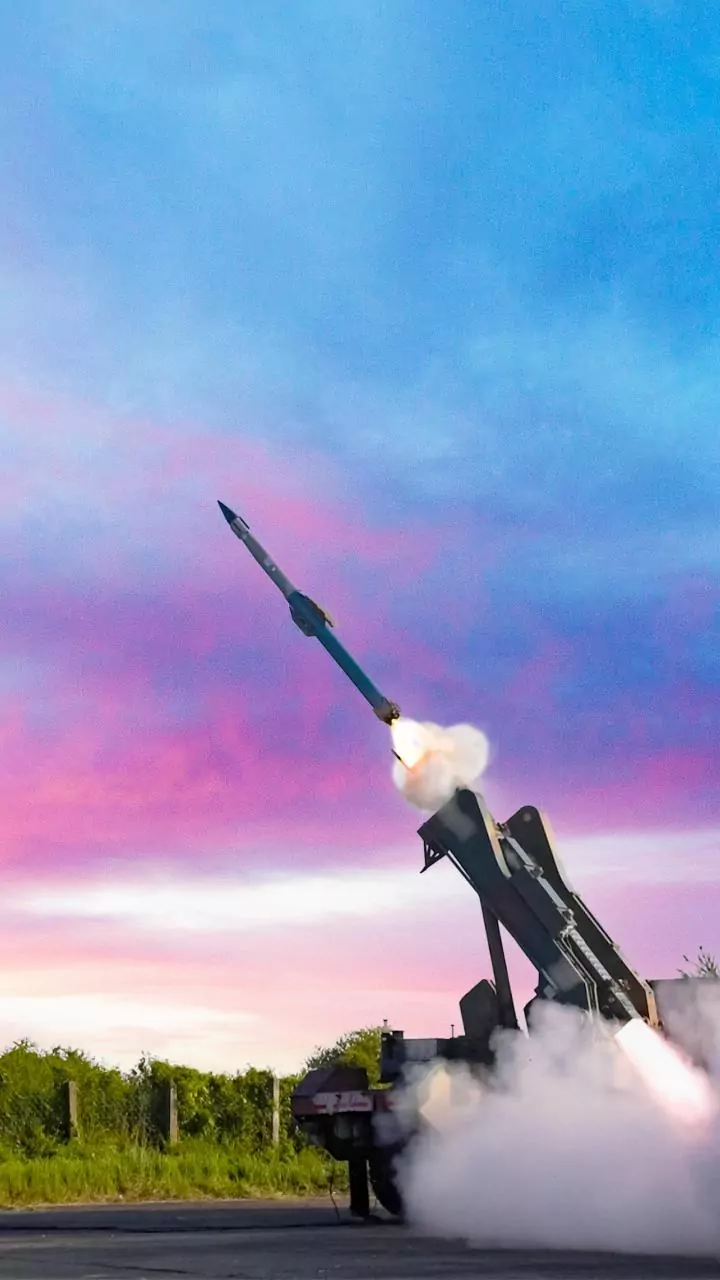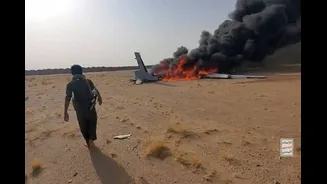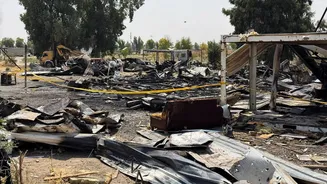





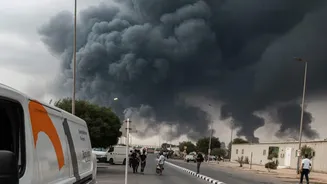
Joint US-Saudi air strikes in Iraq have killed at least 20 members of Iran-backed armed groups, including several Iranian advisers, according to Iraqi
militia officials, Iranian media reports and a US official familiar with the operation. A US official told The New York Times that the strikes, carried out on Tuesday night, killed about 20 Iranian advisers, including members of Iran's Islamic Revolutionary Guard Corps (IRGC) and technical advisers. The official said the sites were deliberately targeted because of the presence of Iranian personnel and to degrade the ability of Iran-backed militias to launch missiles and drones. The Hashed al-Shaabi, also known as the Popular Mobilisation Forces (PMF), said at least 20 of its fighters were killed and 32 others wounded in what it described as a preliminary toll. The alliance said those killed "were martyred and another 32 wounded according to a preliminary toll". Two Hashed officials told AFP that five Iranian advisers were among those killed in a strike in Iraq's central Diyala province.
Iranian sources also told Al Jazeera that at least four people affiliated with the IRGC had been killed in the joint US-Saudi operation. AFP correspondents in Baghdad reported seeing coffins draped in Iranian flags during a funeral organised by the PMF for those killed in the strikes.
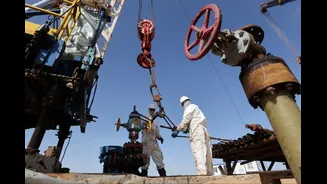
The United States and Saudi Arabia said the operation targeted Iran-backed armed groups in response to attacks on US forces and Saudi oil facilities.
The strikes come amid growing US pressure on Iraq to curb the influence of pro-Iran armed factions, which have repeatedly targeted US military installations and called for the withdrawal of American troops from the country.
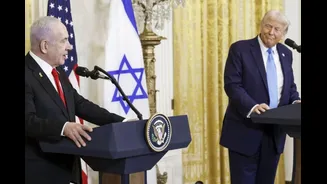
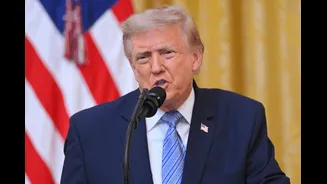
US President Donald Trump said the operation had been coordinated with the Iraqi government, according to Fox News.
Iraq's Prime Minister, Ali al-Zaidi, who took office earlier this year, has pledged to bring armed groups under state control and ensure they surrender their weapons. His government has set a deadline of 30 September for the groups Washington designates as terrorist organisations to disarm, although the move has faced resistance from some powerful factions.
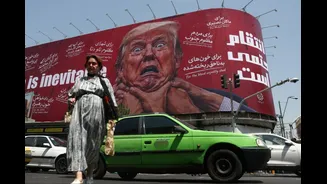
The Islamic Resistance in Iraq, an umbrella group of Iran-backed militias, warned that "our response to the American enemy is inevitable, and may target its tools in Saudi Arabia".
However, the group said any retaliation would only take place after Arbaeen, one of the holiest events in the Shia Muslim calendar, during which millions of pilgrims travel to Iraq.
The militias denied carrying out attacks on Saudi Arabia and have not claimed responsibility for any attacks since hostilities between the United States and Iran resumed earlier this month.
Iraq condemned the US-Saudi strikes, saying it rejected "all acts of aggression, regardless of the party responsible or the justifications presented."
The country's Ministerial Council for National Security said it would "confront any violation of Iraq's sovereignty, and prevent any source from using Iraqi territory to threaten neighbouring states."
The council also reaffirmed its commitment to ensuring the state maintained a monopoly over the use of weapons.
Iraq has sought to avoid being drawn deeper into the regional confrontation between Washington and Tehran, but its close ties with both countries have left it at the centre of their long-running rivalry.