






What is the story about?
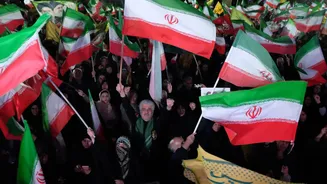
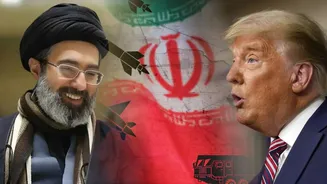
Talks between the United States and Iran in Islamabad came remarkably close to a breakthrough before stalling over a familiar fault line — Tehran’s nuclear
programme. According to reports by the Wall Street Journal and New York Times, officials involved in the negotiations have indicated that both sides were “80% there” on a potential agreement before the talks broke down over unresolved issues that could not be settled on the spot. At the centre of the disagreement was uranium enrichment. Washington proposed a 20-year freeze on enrichment activities, while Tehran pushed for a significantly shorter five-year suspension — a gap that ultimately proved too wide to bridge.
From Maximalist Demands To Negotiated Middle Ground
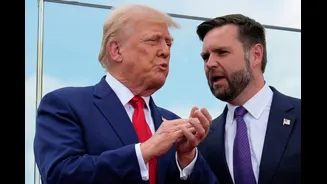
The negotiations marked a notable shift in the United States’ position under Donald Trump. Earlier demands for a permanent halt to Iran’s nuclear programme appear to have softened into a long-term suspension framework. However, the insistence on a 20-year freeze reflects continued concerns in Washington over Iran’s potential pathway to nuclear weapons capability.
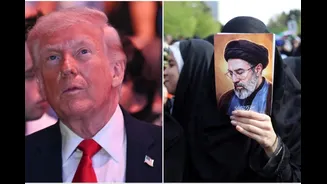
Analysts, including political scientist Ian Bremmer, suggested that a compromise window — potentially around 12 to 15 years — could emerge if both sides return to the table with flexibility. For Tehran, however, the issue has always extended beyond timelines. Iranian negotiators reportedly raised concerns over trust, pointing to previous instances where diplomatic engagements were followed by military escalation.
Inside The Talks: Tense Atmosphere And Tactical Moves
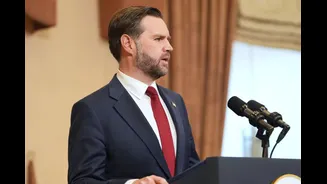
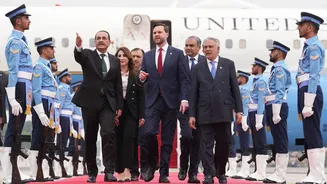
The Islamabad negotiations, held inside the Serena Hotel, unfolded in a tightly controlled environment, with delegations operating from separate wings and only limited interaction in shared spaces. Phones were barred from the main negotiation rooms, forcing senior officials — including JD Vance and Iranian leadership figures — to step out during breaks to communicate with their respective capitals.
At one point, raised voices were reportedly heard outside the negotiating rooms, hinting at the intensity of the discussions. Pakistani mediators, including Ishaq Dar, intervened to stabilise the situation and keep talks on track. Despite the friction, sources indicated that there were moments of genuine optimism, with expectations briefly rising that a deal could be finalised.
Beyond Nukes: Hormuz And Sanctions Add Complexity
While uranium enrichment dominated headlines, other contentious issues further complicated the negotiations. The reopening of the Strait of Hormuz — a critical global energy route — remained a major point of contention. Iran has effectively restricted passage through the strait, while the United States has vowed to ensure its reopening.
Sanctions relief also emerged as a key Iranian demand, with Tehran seeking broader guarantees beyond the nuclear file. In contrast, Washington remained focused on limiting the scope of the agreement to nuclear and maritime concerns. This divergence in priorities contributed to the breakdown, as both sides pursued fundamentally different end-states for the deal.
Dialogue Continues Despite Breakdown
Despite the collapse of the first round of talks, officials on both sides have indicated that dialogue remains ongoing. There are already discussions around a potential second round of negotiations, suggesting that while the breakthrough moment was missed, the diplomatic channel has not been closed.
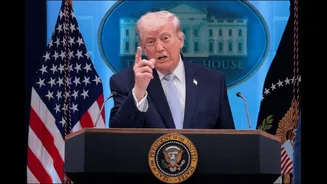
Donald Trump himself indicated continued engagement, noting that Iran had expressed interest in working towards a deal even after the talks ended. For now, the situation reflects a familiar pattern in high-stakes diplomacy — proximity to agreement followed by breakdown over core strategic differences.