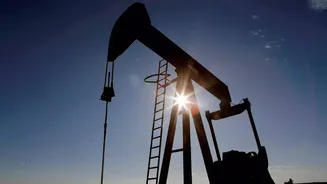





Oil prices continued their upward march on Friday, with Brent crude approaching the $94-a-barrel mark as the prolonged US-Iran conflict intensified concerns
about global energy supplies. The latest rise put both major benchmarks on track to post their second consecutive weekly gains. Brent crude was trading at $93.89 a barrel around 7:30 am IST, after advancing 2.4 per cent in the previous session. US West Texas Intermediate (WTI) was at $86.84 a barrel following a 2.3 per cent increase on Thursday. The sustained rally has pushed crude prices to their strongest levels in weeks, although they remain below the highs recorded during the early stages of the conflict. The latest moves have added to an already strong run for crude markets. Brent has climbed more than 7 per cent over the past five sessions, while WTI has gained more than 8 per cent during the same period. Both benchmarks reached their highest levels since July 24 as traders continued to assess the impact of the conflict on production, exports and shipping routes. Thursday’s session provided another major boost, with oil prices rising by more than 2 per cent and settling at their highest level in almost a month. The rally came after US President Donald Trump issued a warning against countries supporting Iran while diplomatic efforts aimed at ending the conflict remained stalled. Trump Warning Adds To Supply Concerns The prospect of further disruption to oil supplies has remained a major factor behind the recent price gains. The conflict has raised concerns over production and supply curtailments involving major oil-producing nations such as Saudi Arabia, Iraq, the UAE and Kuwait. An earlier peace agreement between the two sides expired this week, with no immediate signs of renewed negotiations. Earlier on Wednesday, Trump threatened "economic warfare and isolation on an unprecedented scale" against Tehran and warned of consequences for any country providing "any type of lifeline to Iran". The warning has added another layer of uncertainty for energy markets already dealing with disruptions across the region. UAE-Iran Tensions Add To Market Uncertainty The UAE has also taken steps that underscore the deteriorating economic relationship with Tehran. The Gulf Arab oil producer suspended all financial and economic transactions with Iran until further notice this week. For oil traders, developments involving the Gulf region remain particularly important because of the area's role in global energy supplies. Any prolonged restrictions affecting production, exports or transportation could further tighten the market. The conflict began on February 28, when the US and Israel launched military strikes on Iran. Thousands of people have been killed since the fighting began, while Iran's blockade of the Strait of Hormuz and attacks on energy infrastructure across the Middle East have disrupted oil and gas flows.