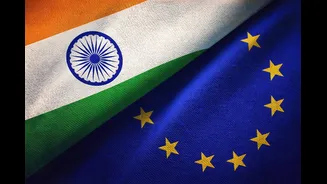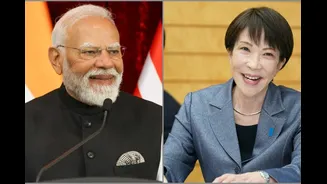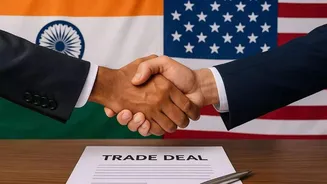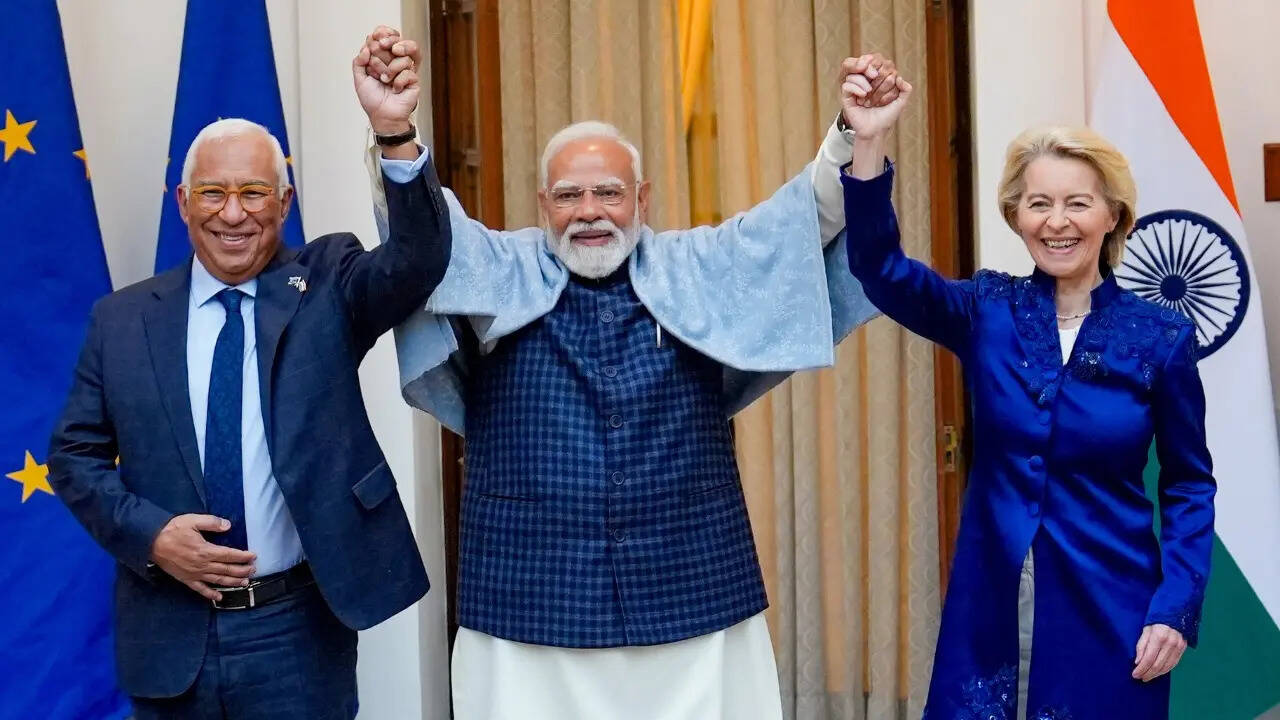







Prime Minister Narendra Modi announced the signing of the India-EU Free Trade Agreement (FTA) on Tuesday, January 27. He added that this FTA accounts for
25 per cent of global GDP and one-third of global trade. Speaking at the Indian Energy Week virtually, PM Modi congratulated all on the FTA and said, "I am informing you about a big development … a significant agreement was signed between India and Europe yesterday (Monday)." People are calling the deal a "mother of all deals”, and this agreement has brought a lot of opportunities for 140 crore Indians and crores of Europeans, he said. He added, "This is an excellent example of coordination between two economies of the world. This agreement represents 25 per cent of the global GDP and one third of the global trade." PM stated that the free trade agreement with the EU will complement existing agreements with Britain and the European Free Trade Association (EFTA), reinforcing both global trade and supply chains. He extended his congratulations to the youth and all professionals involved in sectors such as textiles, gems and jewellery, leather, and footwear. Highlighting the benefits of the agreement, he noted that it will significantly support domestic manufacturing while also driving growth in the services sector. "This free trade agreement will strengthen confidence in India for every business and every investor in the world. India is working extensively on global partnerships in all sectors," he added. Slash In Export Tariffs The European Union has said that tariffs on 96.6 per cent of its goods exported to India will either be eliminated or reduced, resulting in potential savings of up to 4 billion euros annually on duties for European products. For Indians, European cars, beer, and various food products are expected to become more affordable under this FTA. “Europe and India are making history today. We have concluded the mother of all deals. We have created a free trade zone of two billion people, with both sides set to benefit. This is only the beginning. We will grow our strategic relationship to be even stronger,” Ursula Von Der Leyen, President of the European Commission, shared on social media ahead of the signing. "The EU and India already trade over €180 billion worth of goods and services per year, supporting close to 800,000 EU jobs. This deal is expected to double EU goods exports to India by 2032 by eliminating or reducing tariffs on 96.6 per cent of EU goods exports to India. Overall, the tariff reductions will save around €4 billion per year in duties on European products," the EU said. What It Means For India Under this trade agreement, the EU said that India will grant the EU tariff reductions that none of its other trading partners have received. For example, tariffs on cars are gradually going down from 110 per cent to as low as 10 per cent, while they will be fully abolished for car parts after five to ten years. Tariffs ranging up to 44 per cent on machinery, 22 per cent on chemicals and 11 per cent on pharmaceuticals will also be mostly eliminated. "A dedicated chapter will also help small EU businesses take full advantage of the new export opportunities. For instance, both sides will put in place dedicated contact points to provide SMEs with relevant information on the FTA and help them with any specific issue they would face when trying to use the FTA's provisions. In addition to this, SMEs will particularly benefit from the tariff reductions, removal of regulatory barriers, transparency, stability and predictability provided by the Agreement," the EU said in an official statement. "The agreement removes or reduces often prohibitive tariffs (over 36 per cent on average) on EU exports of agri-food products, opening a massive market to European farmers. For example, Indian tariffs on wines will be cut from 150 per cent to 75 per cent at entry into force and eventually to levels as low as 20 per cent, tariffs on olive oil will go down from 45 per cent to 0 per cent over five years, while processed agricultural products such as bread and confectionary will see tariffs of up to 50 per cent eliminated," it noted.