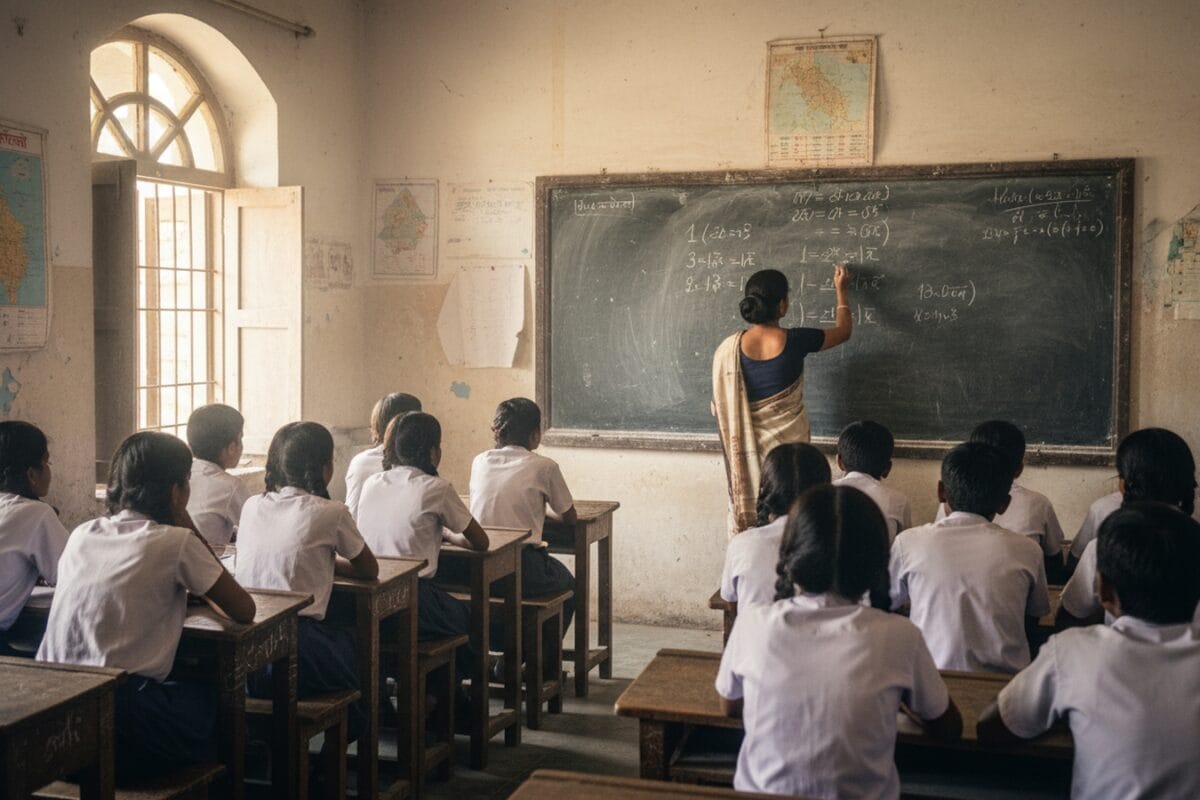






Nearly 73% of students drop out before completing higher secondary education, a parliamentary panel has observed, flagging a sharp decline in the number
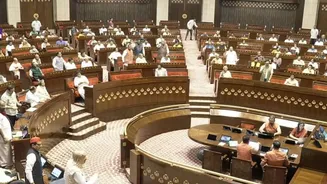
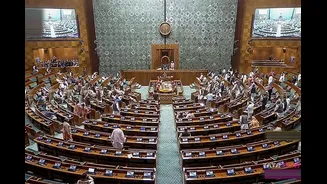
of schools and student enrolment as education levels rise. The observation is part of the Tenth Report of the Committee on Estimates (2026-27), Eighteenth Lok Sabha, on budget and policy aspects of providing affordable and quality education, including a review of the Central Board of Secondary Education (CBSE). The report was presented in the Lok Sabha on August 12. According to UDISE+ 2024-25 data cited by the committee, India has 10,92,671 government and government-aided schools. Of these, 9,11,032 are at the primary level, 4,12,805 at the upper-primary level, 1,61,808 at the secondary level and only 90,866 at the higher-secondary level. The fall in school numbers is accompanied by a steep decline in enrolment. The report records 6,18,45,033 students in primary classes and 4,08,93,978 in Classes 6 to 8. The figure drops to 2,36,68,220 at the secondary level and further to 1,64,17,949 at higher secondary. The committee said the drastic decline in schools and students as education levels rise is a matter of concern. It recommended that the Ministry of Education prioritise upgrading existing primary and secondary schools into full-fledged higher-secondary institutions to make higher levels of education more physically accessible to students. The panel also urged State and Union Territory governments to establish more secondary and higher-secondary schools to improve enrolment and reduce the student drop-off. CwSN Infrastructure Remains a Major Concern The report also draws attention to gaps in facilities for Children with Special Needs (CwSN). Under Samagra Shiksha, financial assistance is provided to States and UTs for inclusive education infrastructure, including ramps, handrails and accessible toilets. However, UDISE+ 2024-25 figures cited in the report show that only 5,23,143 of 14,71,473 schools have CwSN toilet facilities, while 8,08,460 have ramps with handrails. The committee said the infrastructure gap leaves more than half of schools without CwSN-friendly facilities. It has called for stronger implementation of inclusive education measures. The report also points to a problem in fund utilisation. For 2024-25, Rs 482 lakh was allocated for 186 CwSN toilets, but only Rs 2.60 lakh was utilised, with no progress against the physical target, according to the report. The panel further highlighted the need for adequate special educators in general schools. It noted that revised norms prescribe a pupil-teacher ratio of 10:1 at the primary level and 15:1 at the upper-primary level for special educators. States and UTs have also been directed to undertake recruitment in a time-bound manner. The committee's concerns extend beyond infrastructure. It has also pointed to regional disparities in higher-secondary enrolment, with low Gross Enrolment Ratios in several states. It identified factors such as shortages of secondary and senior-secondary schools, economic pressures, inadequate local retention strategies and lack of career guidance as possible reasons for high dropouts. The report therefore presents two linked challenges for school education: ensuring that students have access to schools as they move into higher classes, and ensuring that those schools are equipped to include children with disabilities. The committee has called for stronger infrastructure, better utilisation of funds, more schools at higher levels and improved support for inclusive education.