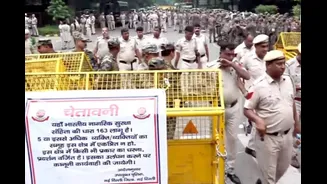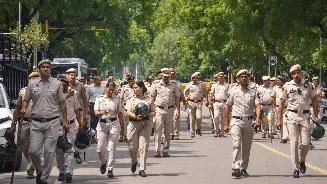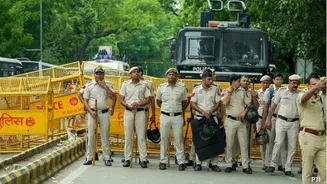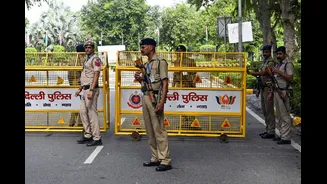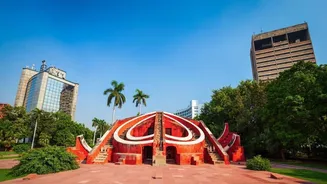





Jantar Mantar, Delhi’s best-known protest venue for more than three decades, has been de-notified as a designated site for demonstrations, with the Delhi Police
naming three new locations where citizens can organise protests. In a standing order issued on October 11, Delhi Police Commissioner Anurag Kumar designated Ramlila Ground, Burari Ground and CBD Ground in East Delhi as the new venues for protests and demonstrations. The order said the decision was based on recommendations made by a committee constituted by the Union Ministry of Home Affairs to examine alternative venues for citizens to exercise their right to protest. The police said a detailed and revised standard operating procedure (SOP) for organising demonstrations at the three locations would be issued separately. The order partially modifies an earlier standing order dated April 28, 2022. The move marks a significant change for Jantar Mantar, which became Delhi’s designated protest venue in 1993. Over the years, the stretch near Parliament Street became a gathering point for political parties, activists, farmers, students and citizens seeking to draw the government’s attention to their demands.
From Anna Hazare To Wrestlers' Protest
Jantar Mantar has hosted some of India’s most prominent public movements. In April 2011, social activist Anna Hazare began a hunger strike there demanding a strong Lokpal law to tackle corruption. The agitation grew into a nationwide movement and helped shape the political landscape in the years that followed.
The venue also became the centre of the 2023 wrestlers’ protest, when Olympic medallists and other wrestlers staged a prolonged demonstration against then Wrestling Federation of India chief Brij Bhushan Sharan Singh, accusing him of sexual harassment. Jantar Mantar has also witnessed protests over the Citizenship Amendment Act, farmers’ demands and several other political and social issues.
Before Jantar Mantar, the Boat Club lawns near India Gate were a major protest venue. The site came under scrutiny after a massive farmers’ agitation led by Mahendra Singh Tikait in 1988 brought large crowds into central Delhi. Authorities subsequently restricted demonstrations there, and Jantar Mantar emerged as the capital’s main designated protest site in 1993.
Change Comes Amid Fresh Protest Activity
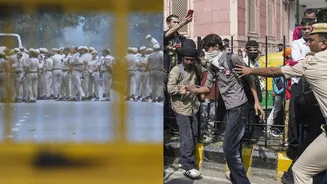
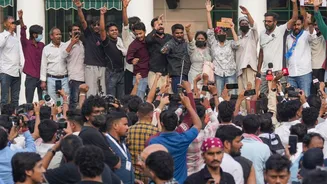
The decision comes amid heightened protest activity in the capital. On October 12, leaders of the Cockroach Janta Party (CJP) were expected to approach Delhi Police to seek a date for a proposed demonstration at Jantar Mantar, demanding Chief Election Commissioner Gyanesh Kumar’s resignation and a halt to the Special Intensive Revision of electoral rolls. The move followed the detention of protesters during recent demonstrations in Delhi.
The standing order does not detail how existing or pending requests for demonstrations will be handled. The revised SOP is expected to provide further details on the process for organising protests at the three newly designated venues.