






What is the story about?
A new Ebola outbreak has been confirmed in Congo’s Ituri province, marking the 17th occurrence of the disease since its emergence in the country in 1976,
according to the Africa Centres for Disease Control and Prevention. The outbreak has led to 246 suspected cases and 65 reported deaths, as confirmed by the health agency in a statement released on Friday.
Location and Spread of the Outbreak
The majority of suspected Ebola cases have been identified in the Mongwalu and Rwampara health zones of Ituri, with additional reports from Bunia, the provincial capital.Currently, only four deaths have been confirmed through laboratory testing; however, the outbreak was recognized following a significant number of suspected cases. Ituri is situated in a remote eastern area of Congo, over 1,000 kilometers (620 miles) from the capital, Kinshasa.
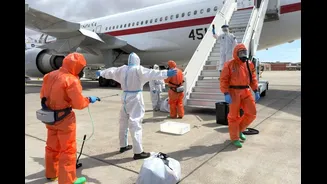
The Africa CDC expressed concern regarding the outbreak's proximity to Uganda and South Sudan, as Bunia lies close to the Ugandan border. Additionally, the agency highlighted the risk of further transmission due to high population movement and violent incidents involving armed groups that have resulted in numerous fatalities and displacements in Ituri province over the past year.
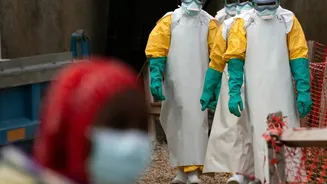
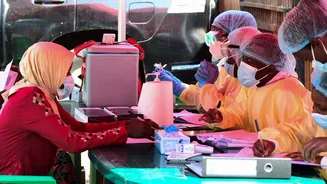
Local authorities are facing challenges in contact tracing as they strive to identify individuals who may have been exposed to the virus.
Characteristics of the Ebola Strain
Initial findings from the Africa CDC suggest that the current outbreak may involve a variant different from the traditional Ebola virus, specifically the Ebola Zaire strain. Ongoing sequencing efforts aim to further clarify the strain, with results anticipated within the next 24 hours.The Ebola Zaire strain has been prevalent in previous outbreaks in Congo, including the significant outbreak from 2018 to 2020, which resulted in over 1,000 deaths.
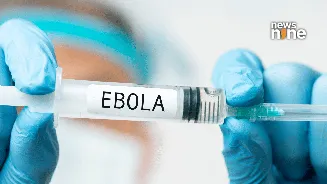
The World Health Organization has noted that the Ebola disease is caused by several viruses, with three known to trigger major outbreaks: the Ebola virus, Sudan virus, and Bundibugyo virus. The WHO indicated that Congo possesses a stockpile of treatments and approximately 2,000 doses of the vaccine, although this vaccine is specifically for the Ebola virus and not for the Sudan or Bundibugyo strains.
Dr. Gabriel Nsakala, a public health professor with experience in past Ebola outbreaks in Congo, emphasized that treatments for viral infections like Ebola often focus on alleviating symptoms, and that clarity regarding vaccine efforts will depend on the confirmation of the strain involved in this new outbreak.
In Uganda, health officials confirmed that the case detected there was associated with the Bundibugyo virus, a strain endemic to the country. They stated that this case was 'imported' from Congo, with no local cases identified thus far. Authorities have placed contacts linked to this case in quarantine, including a high-risk relative of the deceased.
Efforts to Contain the Outbreak
The Africa CDC organized a high-level coordination meeting on Friday, bringing together health authorities from Congo, Uganda, and South Sudan, along with key partners such as U.N. agencies and other nations. This meeting was aimed at establishing immediate response priorities, cross-border coordination, surveillance, dignified burials, and resource mobilization.Congo's health workers have significant experience from previous outbreaks and possess the necessary infrastructure, including laboratories, according to Dr. Nsakala. He stated, 'Now, the expertise and equipment need to be delivered quickly.'
Logistical Challenges in Response Efforts
Congo, being Africa's second-largest country by land area, often encounters logistical hurdles in managing disease outbreaks due to poor road conditions and vast distances. In the previous outbreak, the WHO faced notable difficulties in vaccine delivery, which took a week after the outbreak was officially confirmed.Funding has also been a concern; during last year's outbreak, health officials expressed worries regarding the effects of recent U.S. funding cuts. The U.S. has historically supported responses to Congo's Ebola outbreaks, including a contribution of up to $11.5 million in 2021 to assist efforts across Africa.
Understanding Ebola Transmission
The Ebola virus is highly contagious, capable of transmission from wild animals to humans. It spreads among people through contact with bodily fluids such as vomit, blood, or semen, as well as surfaces and materials like bedding and clothing contaminated with these fluids.The disease it causes is rare but severe, often resulting in fatalities. Symptoms include fever, vomiting, diarrhea, muscle pain, and in some cases, internal and external bleeding.
The Ebola virus was first identified in 1976 near the Ebola River in what is now Congo, with the earliest outbreaks occurring in remote villages in Central Africa adjacent to tropical rainforests.