





What is the story about?
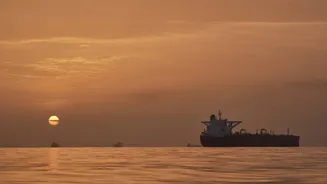
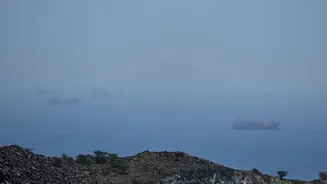
DUBAI, United Arab Emirates (AP) — On Wednesday, Iran launched an attack on a container ship in the Strait of Hormuz, damaging the vessel and complicating
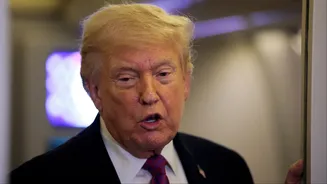
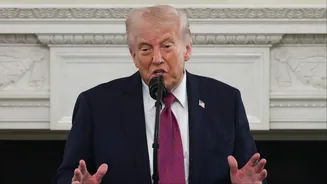
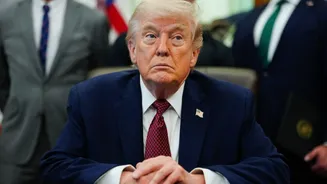
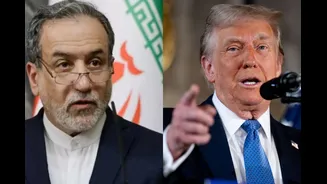
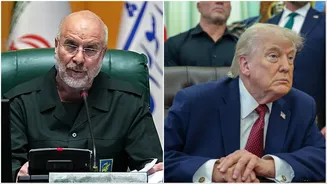
ongoing diplomatic efforts to facilitate talks between the United States and Iran in Pakistan aimed at ending the conflict. This morning assault by Iran's paramilitary Revolutionary Guard followed U.S. President Donald Trump's announcement to indefinitely extend a ceasefire with Iran, originally set to expire on the same day, to allow Tehran time to formulate a 'unified proposal' for potential negotiations.
Iran's Response and Claims
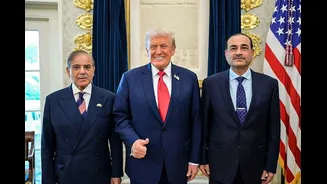
Iran has not formally acknowledged Trump's extension of the ceasefire. In response to the attack, the Revolutionary Guard stated its intent to 'deliver crushing blows beyond the enemy’s imagination to its remaining assets in the region.'Following the incident, Pakistan's Prime Minister Shehbaz Sharif expressed gratitude to Trump for the ceasefire extension, emphasizing its importance in facilitating ongoing diplomatic initiatives.
Details of the Attack
The attack occurred after the U.S. seized an Iranian container ship and boarded an oil tanker linked to Iran's oil trade over the weekend. The United Kingdom Maritime Trade Operations Centre reported that the Revolutionary Guard gunboat did not issue any warnings prior to firing at the ship, and fortunately, there were no reported injuries.However, Iran's Nour News agency claimed that the Guard acted after the vessel ignored warnings from Iranian armed forces, framing the incident as a lawful enforcement of Iran's control over the strategic waterway.
Impact on Global Oil Prices
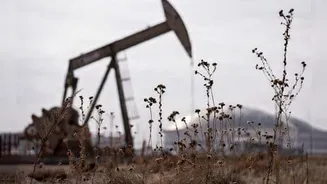
The Strait of Hormuz is a critical passage for approximately 20% of the world's oil and natural gas, and disruptions in this area have historically led to significant increases in oil prices. Following the attack, Brent crude oil prices surged to nearly $98 a barrel, marking a more than 30% increase since the onset of the conflict.Since the beginning of the war, Tehran's actions have led to a throttling of shipping traffic through the strait, contributing to rising global oil prices and economic concerns.
Ongoing Diplomatic Efforts by Pakistan
Pakistan is actively pursuing diplomatic channels to convene a second round of talks between the U.S. and Iran. Although Iran has yet to commit to these discussions, Pakistani officials remain optimistic that a delegation will attend to continue negotiations, following a previous round that ended without an agreement.Iran has indicated it received new proposals from Washington but noted significant gaps remain between both parties. Key issues obstructing progress include Iran's nuclear enrichment activities, regional proxies, and the situation in the Strait of Hormuz.
U.N. Secretary-General António Guterres expressed hope that the ceasefire extension would provide 'critical space for diplomacy and confidence-building' between Iran and the U.S., as conveyed by his spokesman, Stephane Dujarric.