







What is the story about?
DUBAI, United Arab Emirates (AP) — Iran's state television announced on Wednesday that the Islamic Republic plans to target oil and gas infrastructure
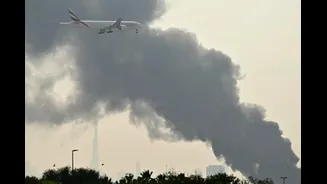
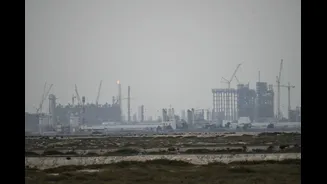
in Qatar, Saudi Arabia, and the United Arab Emirates. This declaration follows an attack on Iran's South Pars gas field earlier that day. The threats specifically mention the Samref Refinery and the Jubail Petrochemical Complex in Saudi Arabia, as well as the UAE’s Al Hasan Gas Field and petrochemical facilities in Qatar. This statement echoes previous warnings issued by Iran amid ongoing regional tensions.
Iran's Military Actions and Regional Tensions
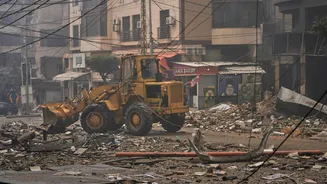
In the context of escalating conflict, Iran has vowed to retaliate against its Persian Gulf neighbors. On Wednesday, Israel claimed responsibility for killing Iranian Intelligence Minister Esmail Khatib, marking the third high-ranking Iranian official to be targeted in two days. Israeli Defense Minister Israel Katz warned of 'significant surprises' expected throughout the day without providing further details.Iran has not confirmed Khatib's death but is reportedly responding to the killings with military actions. Israeli strikes have intensified against Iran-backed Hezbollah in Lebanon, with multiple civilian casualties reported in Beirut.
Impact on Energy Infrastructure and Global Oil Prices
The conflict has raised concerns over the security of oil supplies in the region. The price of Brent crude oil remained above $100 per barrel, reflecting a more than 40% increase since the onset of the war on February 28. Iran's threats to disrupt energy infrastructure in neighboring countries further exacerbate fears of a potential global energy crisis.Tehran continues to maintain control over the Strait of Hormuz, a vital shipping lane through which a significant portion of the world's oil is transported. The U.S. has expressed frustration over the lack of international support to ensure the strait remains open.
Recent Military Developments and Civilian Casualties
In addition to the threats against Gulf states, Iran executed an individual accused of espionage for Israel. Reports indicate that an airstrike in Larestan resulted in at least eight fatalities, further complicating the humanitarian situation in the region.Iran's military actions have included targeting Saudi Arabia's Eastern Province and other Gulf nations, with missile alerts and interceptors activated in response to incoming threats. The conflict has led to significant casualties on both sides, with reports of deaths in Israel as well.
Escalation of Attacks and International Responses
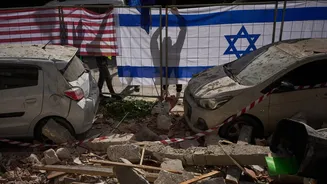
Following the assassination of key Iranian figures, the Revolutionary Guard announced it targeted central Israel with multiple-warhead missiles. This tactic aims to overwhelm missile defense systems, showcasing Iran's intent to retaliate forcefully against Israeli actions.Israel's military has intensified its operations against Hezbollah, with strikes in Beirut resulting in numerous civilian deaths, including journalists. The ongoing conflict has displaced a large number of people in Lebanon, raising humanitarian concerns.