






What is the story about?
The United Arab Emirates has implemented a ban on Iranian nationals entering or transiting through the country, as confirmed by major airlines including
Emirates, Etihad, and FlyDubai on Wednesday. This decision arrives amid escalating tensions due to the ongoing war, with the UAE's entry regulations remaining somewhat ambiguous. However, the airlines' announcements indicate that holders of Golden Visas, which are 10-year residency permits, will still be permitted entry.
Airline Announcements
Emirates, Etihad, and FlyDubai have all posted the new entry restrictions on their websites, clarifying that the ban specifically affects Iranian travelers. This decision aligns with broader geopolitical tensions in the region.The UAE, a federation of seven emirates, has a history of opaque entry regulations, but the airlines' communications provide clear guidance on the current restrictions.
Context of the Ban
No official statement has been released by UAE authorities regarding the ban. However, it follows the closure of the Iranian Hospital and the Iranian Club in Dubai, both of which have been longstanding institutions in the emirate.This action reflects the UAE's shifting stance amid the ongoing conflict, highlighting the complexities of its foreign relations, particularly concerning Iran.
Wider Implications of the Conflict
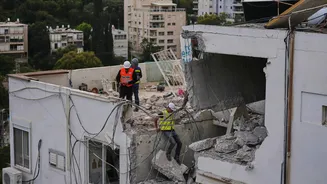
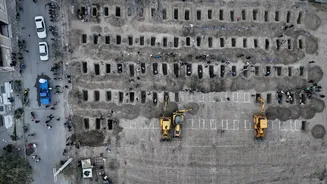
The war has broader implications, including significant disruptions to oil supplies and rising global prices, which have now surpassed $4 per gallon in the United States. The conflict has already resulted in thousands of casualties and heightened tensions in the region.In the wake of these developments, U.S. President Donald Trump has expressed frustration with allied nations for their perceived lack of support in the conflict, emphasizing the need for those reliant on the Strait of Hormuz to take responsibility for its security.
Military Movements and Regional Stability
The U.S. has increased its military presence in the region, deploying additional aircraft carriers to support operations related to the ongoing war. This escalation raises concerns about further military engagement and the potential for broader regional instability.Meanwhile, the Israeli military has intensified its operations, conducting strikes against Hezbollah leaders in Lebanon, indicating the conflict's expanding scope and the involvement of multiple nations.
Response to the Ban
The ban on Iranian nationals has sparked discussions about the future of UAE-Iran relations, with many observing the implications for trade, travel, and diplomatic engagement between the two countries.As tensions continue to rise, the international community remains vigilant regarding developments in the region, particularly concerning the humanitarian and economic impacts of the ongoing conflict.