






What is the story about?
KINSHASA, Congo (AP) — The Africa Centres for Disease Control and Prevention confirmed a new Ebola outbreak in Ituri province, Congo, on Friday, with 246
suspected cases and 65 deaths reported thus far. Uganda also reported one death from an Ebola case believed to have originated in Congo, marking a concerning development in the region's public health landscape.
Details of the Outbreak
The Africa CDC stated that the majority of deaths and suspected cases are concentrated in the Mongwalu and Rwampara health zones. Of the 65 deaths attributed to the outbreak, only four have been laboratory confirmed.Ebola is transmitted through bodily fluids, including vomit, blood, and semen, and while it is rare, it can be severe and often fatal.
Investigation into the Virus
Scientists are currently investigating the specific strain responsible for the outbreak. Preliminary results suggest that it may not be the Ebola Zaire strain, which has historically been prominent in Congo's outbreaks, although sequencing efforts are ongoing.The World Health Organization (WHO) notes that multiple viruses can cause Ebola outbreaks, including the Ebola virus, Sudan virus, and Bundibugyo virus.
Impact on Uganda
On Friday, Uganda reported an Ebola case involving a Congolese man who was admitted to a hospital in Kampala three days before his death. Health officials confirmed the case was imported from Congo, and there are currently no local cases reported in Uganda.The Ugandan Health Ministry stated that the deceased was found to be infected with the Bundibugyo virus, which has been endemic in the region. All contacts associated with the man have been quarantined, and his body has been returned to Congo.
Vaccine and Treatment Availability
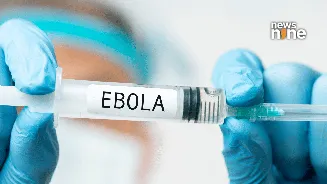
The WHO has indicated that Congo possesses a stockpile of treatments and approximately 2,000 doses of the Ervebo Ebola vaccine. However, this vaccine is effective against the Ebola Zaire strain but not against the Sudan or Bundibugyo viruses.Dr. Tedros Adhanom Ghebreyesus, the WHO director-general, revealed that a team was sent to Congo last week to assist in investigating the outbreak and collecting samples. Initial results did not confirm Ebola, but subsequent analysis did.
Dr. Tedros emphasized Congo's strong track record in managing Ebola outbreaks and announced that the WHO is releasing $500,000 to support the country's response efforts.
Geographical and Logistical Challenges
This outbreak is particularly concerning as it occurs five months after the last Ebola outbreak in Congo was declared over, which resulted in 43 deaths. Ituri province is located in a remote eastern region of Congo, over 1,000 kilometers (620 miles) from Kinshasa, the capital.The Africa CDC expressed worries about the potential for further spread due to high population movement, mining activities in Mongwalu, ongoing insecurity, and gaps in contact tracing and control measures.
The agency convened an urgent meeting with health authorities from Congo, Uganda, and South Sudan, along with key partners, to coordinate responses to the outbreak.
Historical Context of Ebola in Congo
This marks the 17th Ebola outbreak in Congo since the disease was first identified in the country in 1976. The outbreak from 2018 to 2020 resulted in over 1,000 deaths and was characterized by the Ebola Zaire strain.Previous outbreaks, including one that affected West Africa from 2014 to 2016, resulted in more than 11,000 deaths. The current outbreak poses additional challenges for Congo, which is already dealing with various armed groups and logistical issues in health response efforts.
Dr. Gabriel Nsakala, a public health professor involved in past responses, noted that local health workers possess a high level of experience and that existing infrastructure, such as laboratories, is available to assist in managing the outbreak.