





What is the story about?
MOSCOW (AP) — As U.S. and Israeli military actions intensify against Iran, Russia has publicly condemned these actions while refraining from any direct
support for its ally. This measured response aligns with President Vladimir Putin's focus on the ongoing conflict in Ukraine. Putin's cautious approach reflects an expectation that the conflict in Iran could ultimately benefit Moscow by increasing oil revenues and diminishing Western backing for Ukraine. This dual focus shapes Russia's geopolitical strategy as the situation evolves.
Putin's Condolences and Condemnation
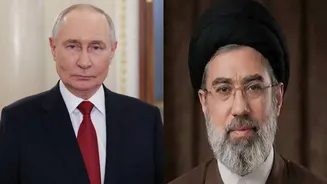
In a recent communication, Putin expressed his condolences to Iranian President Masoud Pezeshkian, condemning the assassination of Iranian Supreme Leader Ayatollah Ali Khamenei as a "cynical violation of all norms of human morality and international law." This statement underscores Russia's diplomatic stance amidst the escalating violence.Despite its vocal opposition to Western actions, Moscow's lack of military support for Iran highlights the limitations of its influence, particularly following previous setbacks in Syria and Venezuela.
Economic Implications of the Iran Conflict
Russia stands to gain economically from rising energy prices due to disruptions caused by the conflict in the Gulf. The Kremlin anticipates that sustained hostilities could further enhance its financial position, aiding military operations in Ukraine and addressing its budget deficit.Moreover, Russia hopes the ongoing war will divert global attention from Ukraine, weaken Western military support for Kyiv, and ultimately reshape the balance of power in the region.
Russia's Diplomatic Engagements
Shortly after the conflict began on February 28, the Russian Foreign Ministry denounced the U.S. and Israeli actions as "a deliberate, premeditated, and unprovoked act of armed aggression against a sovereign and independent U.N. member state, in direct violation of the fundamental principles and norms of international law."A week into the war, Putin communicated with Pezeshkian, advocating for a swift resolution to the hostilities. He also engaged with Gulf leaders, seeking to strengthen ties with key players in the OPEC+ alliance, which significantly influences global oil markets.
Complex Russia-Iran Relations
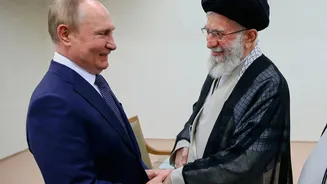
Despite a formal strategic partnership established in January 2025, the relationship between Russia and Iran has historically been fraught with tension. While both nations oppose Western dominance, they have also experienced rivalry over regional influence.The partnership strengthened following the dissolution of the Soviet Union, but their alliance has faced challenges, particularly regarding military cooperation and differing regional ambitions. Russia's cordial relations with Israel have further complicated its ties with Iran, leading to suspicions within the Iranian leadership.
Perceptions of Putin's Authority
The assassination of Khamenei has raised questions about Russia's ability to safeguard its allies. However, some analysts caution against overestimating the impact on Putin's authority, suggesting that the relationship with Iran has always been pragmatic.As the conflict unfolds, analysts speculate that Iran's potential vulnerabilities may lead it to rely more heavily on Russia, reshaping the dynamics of their partnership.
Geopolitical Consequences
China's growing demand for Iranian oil may increase its imports of Russian crude, particularly as the U.S. adjusts its energy policies. The evolving situation could also prompt Turkey to increase its natural gas imports from Russia if Iranian supplies are disrupted.Experts argue that the ongoing conflict could inadvertently benefit Russia by diverting Western military resources away from Ukraine, thereby enhancing Moscow's strategic position in the region.