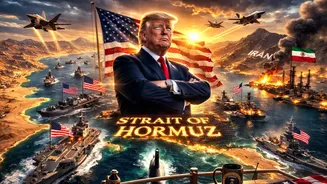



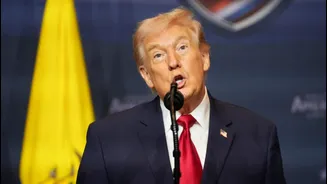
Tehran: Hours after the peace talks withIran collapsed, United States President Donald Trump announced the imposition of a naval blockade of the Strait
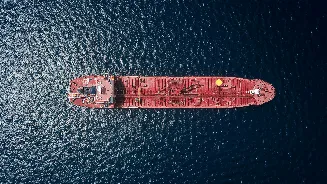
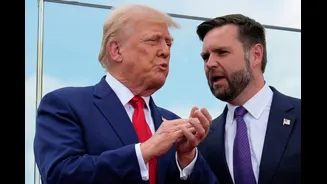
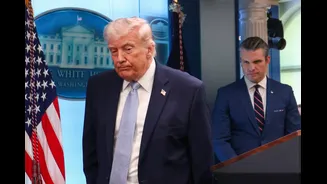
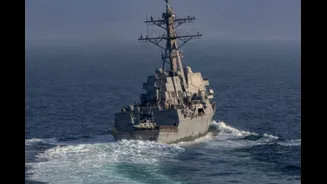
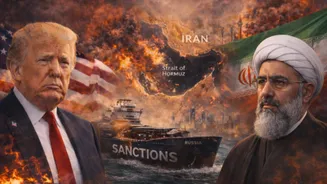
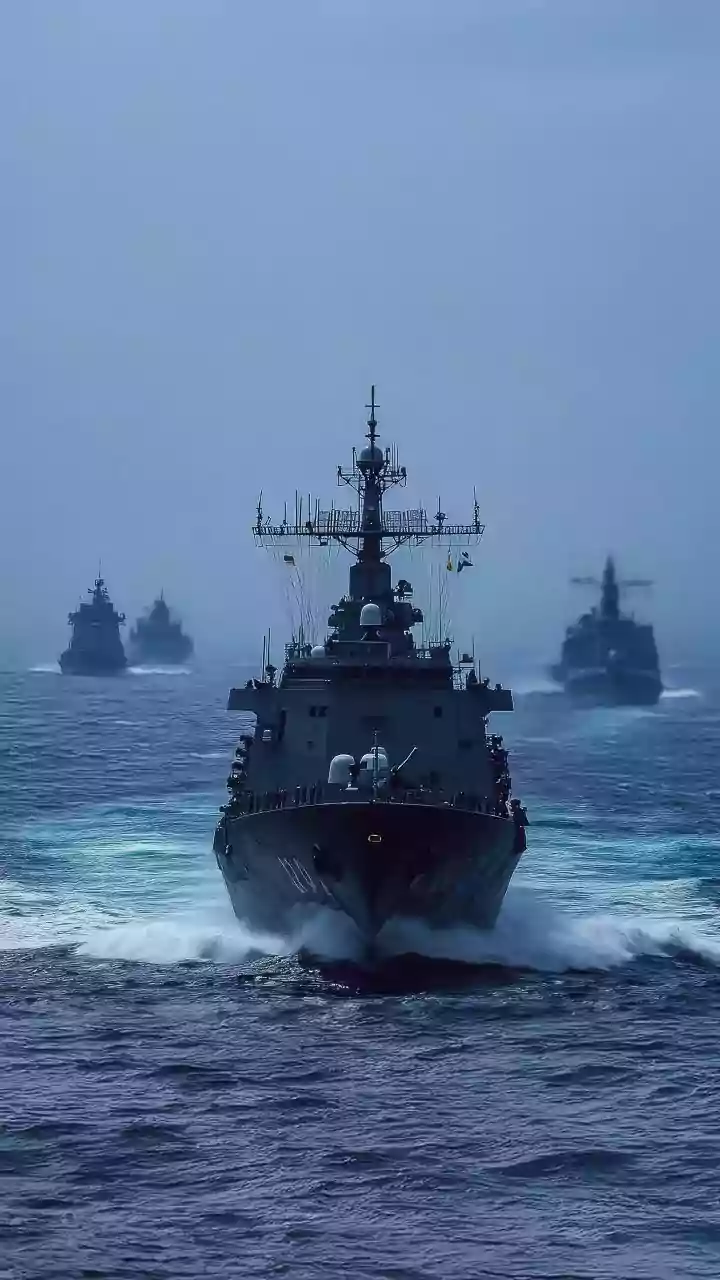
of Hormuz. On Truth Social, Trump announced the blockade in characteristically sweeping terms. As per Trump, talks with Iran failed in Islamabad as Tehran was not willing to give up "its nuclear ambitions." While posting about the US forces blocking the Strait of Hormuz, Trump wrote, "Effective immediately, the United States Navy, the Finest in the World, will begin the process of BLOCKADING any and all Ships trying to enter, or leave, the Strait of Hormuz." "I have also instructed our Navy to seek and interdict every vessel in International Waters that has paid a toll to Iran. No one who pays an illegal toll will have safe passage on the high seas," the US President said. He also stated that the US forces would also start destroying mines placed by Iran's Islamic Revolutionary Guard Corps in the key waterway. "Any Iranian who fires at us, or at peaceful vessels, will be BLOWN TO HELL!" he added. How This Naval Blockade By The US Will Work? The US will block all maritime traffic entering and exiting Iranian ports”, including those along the Arabian Gulf and Gulf of Oman. “The blockade will be enforced impartially against vessels of all nations,” CENTCOM said. It further added that US forces would not impede ships transiting the Strait of Hormuz to and from non-Iranian ports. The blockade would begin at 7.30 pm IST on Monday, as per a CENTCOM release. The US reportedly advised commercial mariners to monitor official navigation warnings and remain in contact with US naval forces while operating in the region.
Trump also signaled that other countries are also involved in imposing the blockade. However, he did not name them. The US President told Fox News even NATO offered to help the United States to "clean out" the Strait of Hormuz", reported BBC. Trump also added that the strait would be free again to use.
Also Read: The Netanyahu Factor: Did A Call From Israel Change It All For US-Iran Talks?
Trump also accused Tehran of "world extortion." He even added that all those ships that paid an "illegal toll" would not be allowed to pass through the strait.
Iran's Response:
Iranian Foreign Minister Seyed Abbas Araghchi said that his country had engaged “in good faith to end war” and was “just inches away” from an agreement. He accused the Ss of "maximalism, shifting goalposts, and blockade."
“Good will begets good will. Enmity begets enmity,” Agharchi said.
Why The US Is Blocking The Strait?
Notably, the Hormuz blockade had given Iran an extra advantage to dictate terms, as around 20 per cent of the world's crude and liquified natural gas (LNG) used to pass through this key waterway daily before the start of the blockade. By blocking the strait, the US could cut down Iran's source of revenue, which it was earning by imposing tolls on ships.
Current Status Of The Strait of Hormuz:
The strait has been blocked by the IRGC since the start of the Iran war on February 28, following the US and Israel's bombing of Tehran. Meanwhile, on April 7, Iran agreed to open the strait after the two-week ceasefire with the US. However, vessels struck in the strait received messages that they would be "targeted and destroyed" if they attempted to cross the strait without permission, reported BBC. As per the media outlet by 5 pm BST on April 10, only 19 ships passed through the strait.
The Hormuz blockade would increase oil prices, further aggravating the energy crisis in the region. However, some experts believed that the US blockade would have only little impact as the waterway had already been blocked since the start of the war.