



Spain has announced temporary border checks on travellers arriving from Italy, escalating a diplomatic dispute between the two European Union members over
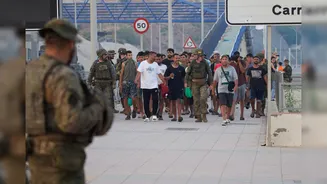
migration controls following a mass influx into Spain’s North African territory of Ceuta. Spain’s Interior Ministry said the checks will begin at midnight on Saturday and remain in place until September 7, citing “persistent irregular migration pressure” facing Italy. The move came after Italy introduced similar controls on travellers from Spain following the mass crossing into Ceuta on July 30 and 31. Madrid Accuses Rome Of Undermining EU Unity Spain criticised Italy’s decision as discriminatory and damaging to European cooperation. Foreign Minister Jose Manuel Albares described Rome’s move as “a torpedo fired at the hull of European unity”, while Madrid urged Italy to remove the restrictions. Spain had earlier warned that it could introduce “proportional measures” if Italy failed to lift its controls. Rome, however, rejected the demand, with Prime Minister Giorgia Meloni’s government saying it had no intention of changing the measures before August 15. Italy said its restrictions would remain until authorities were confident there were no security or terrorism risks, no new migration surge was approaching Ceuta and no irregular migrants were moving towards European territory. Ceuta Crisis Fuels Wider Migration Tensions The dispute follows an unprecedented rush in which around 72,000 people crossed into Ceuta from Morocco, according to Spanish authorities. Around 70,000 have since returned to Morocco, while Spanish officials said at least 80 people died during the crossings. Moroccan rights groups have put the death toll significantly higher. Two organisations said at least 141 deaths had been recorded and warned the figure could increase further. Meanwhile, hundreds of migrants, including unaccompanied children, remain in Ceuta amid shortages of food, water and shelter. Spanish authorities are also monitoring social media reports of a possible fresh migration surge in mid-August, although officials have not confirmed that another mass crossing is expected.