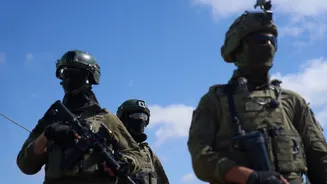









Israel has signalled that its military campaign in Lebanon is far from over despite the implementation of a ceasefire with Hezbollah, with Defence Minister
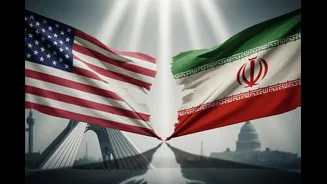
Israel Katz declaring that Israeli troops remain authorised to act against threats across southern Lebanon. The remarks underscore the fragile nature of the truce and highlight Israel's determination to maintain a military presence beyond its northern border. The ceasefire, which came into effect on Friday, was intended to halt months of escalating violence between the Israeli military and the Iran-backed Hezbollah movement. However, the agreement was tested almost immediately after Israel launched strikes on Saturday that Lebanese state media reported killed at least 20 people. Israeli officials said the attacks were carried out in response to projectiles allegedly fired by Hezbollah-linked elements at Israeli troops operating in southern Lebanon. An Israeli official described the sites targeted by the strikes as Hezbollah positions, while Lebanon's National News Agency reported casualties across multiple locations. The renewed violence comes as regional diplomacy continues to evolve following the framework agreement signed between the United States and Iran, which seeks to end the wider conflict that began in February and spread across several theatres, including Lebanon.
Why Israel Says Troops Will Remain Inside Lebanon
In a statement issued on Sunday, Katz said all gains achieved by the Israeli military during operations in Lebanon would be preserved and protected. According to the defence minister, Israeli troops will remain deployed in what Israel describes as a security zone extending roughly 10 kilometres into southern Lebanon.
Israel argues that maintaining this buffer area is essential for the protection of communities in northern Israel that have faced repeated rocket, missile and drone attacks during the conflict. Israeli officials have consistently maintained that Hezbollah's military infrastructure near the border represents an ongoing threat.
"All of the IDF's achievements in the campaign in Lebanon are being preserved, with our forces deployed in the security zone along the Yellow Line in Lebanon and operating from there inward against terrorists and terrorist infrastructures," Katz said.
The statement makes clear that Israel does not view the ceasefire as restricting its military freedom of action. Instead, Israeli leaders appear to be signalling that any perceived threat from Hezbollah or affiliated groups could trigger further military operations.
Hezbollah Conflict Remains Central To Regional Tensions
The conflict between Israel and Hezbollah has become one of the most volatile fronts in the wider regional confrontation involving Iran and its allied groups. Since the outbreak of hostilities, both sides have exchanged sustained attacks along the border, leading to significant displacement and destruction on both sides.
Israeli forces entered parts of southern Lebanon during the conflict, arguing that military action was necessary to push Hezbollah fighters and weapons infrastructure away from the border. Hezbollah, meanwhile, has maintained that it retains the right to resist Israeli military forces operating inside Lebanese territory.
While the ceasefire has temporarily reduced the intensity of fighting, the underlying disagreements remain unresolved. Hezbollah has indicated it would halt attacks on northern Israel under the truce framework, but continues to oppose the presence of Israeli troops inside Lebanon.
Lebanon has emerged as a key issue in ongoing diplomatic efforts linked to the broader US-Iran peace process. Iranian officials have described Lebanon as a central component of negotiations taking place in Switzerland following the signing of a framework agreement between Washington and Tehran.