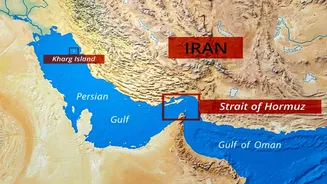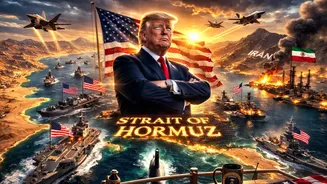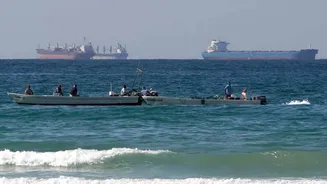




The first full day of the US blockade on ships going to Iranian ports did not have a big impact on traffic in the Strait of Hormuz on Tuesday, a Reuters
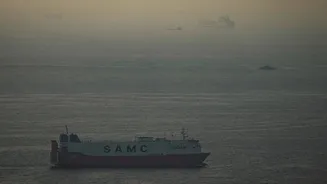
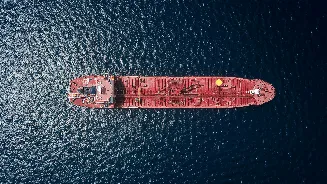
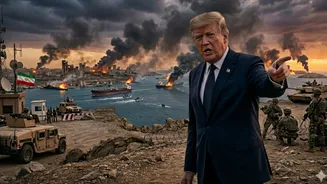
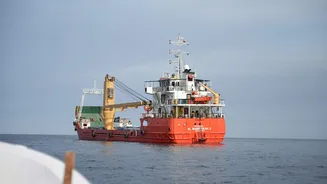
report said. Shipping data showed that at least eight ships, including three linked to Iran, still passed through the route. Notably, US President Donald Trump announced the blockade on Sunday after peace talks between the US and Iran in Islamabad failed to reach an agreement. Also Read: Iran Talks 2.0 in 48 Hours? Trump Bets on Pakistan, Showers Praise on Munir The blockade has added more uncertainty for shipping companies, oil firms, and insurers. Even before this, traffic in the strait had already dropped sharply - from over 130 ships a day to much lower levels after the US and Israel’s war on Iran began on February 28. According to the US Central Command,"During the first 24 hours, no ships made it past the U.S. blockade," and six ships followed US orders and turned back to Iranian ports. The three Iran-linked ships that crossed the strait were not going to Iran, so they were not affected by the blockade. One of them, a Panama-flagged tanker called Peace Gulf, is heading to a port in the UAE. It usually carries Iranian petrochemical products to other Middle Eastern ports before they are exported to Asia, the report said. Also Read: After Iran, US Enforces Hormuz Blockade; How Will It Impact India? - EXPLAINED Before this, two tankers under US sanctions also passed through the strait. One tanker, Murlikishan, is heading to Iraq to pick up fuel oil. It has previously transported oil from Russia and Iran. Another tanker, Rich Starry, became the first ship to pass through and leave the Gulf after the blockade began. It is carrying about 250,000 barrels of methanol and had loaded the cargo in the UAE. The ship is owned by a Chinese company that has been sanctioned by the US for dealing with Iran. China reacted strongly to the blockade. Its foreign ministry said, "dangerous and irresponsible", warning that such actions could increase tensions. However, it did not confirm whether Chinese ships were still using the route. More ships continued to pass through the strait after the blockade began. These included chemical tankers, gas carriers, dry bulk ships, and one cargo ship that docked at Iran’s Bandar Abbas port. A US notice to ships said that humanitarian cargo would not be stopped. Fabrizio Coticchia, a professor at the University of Genoa, told the outlet, "The United States does not need to block every type of ship or enter the Strait of Hormuz; it can carry out an intermittent blockade." "Ships will not be attacked, but rather diverted," he added. The US warships would stay outside the strait in the Gulf of Oman, he added. War-risk insurance costs have not gone up further yet, but they are still very high, running into hundreds of thousands of dollars per week. These costs are reviewed every two days. Ship broker BRS said in a report: "A return to ‘normality’ in the Middle East arguably now appears more distant than it did one week ago, especially given that the U.S. navy has started a blockade." "It is anticipated that there will be little or no commercial traffic in the strait for the foreseeable future," it added.