






What is the story about?
The Government of India has notified 11 additional International ports, where foreigners holding E-Visa, have now been enabled for entry. Most notably,
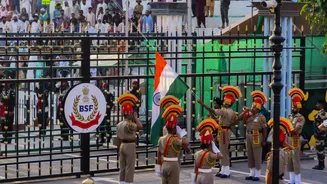
the Attari border is among the 11 ports opened for entry. The Ministry of Home Affairs, in an official release on August 10, announced that additional ports had been added for e-visa entry. The total number of e-visa enabled ports has now gone up to 88, up from 77. Of the new ports enabled, nine are land ports and 2 airports. The new total of e-visa enabled airports is 37, alongside 38 seaports and 13 land ports.
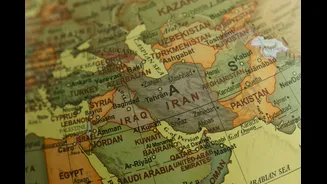
Bulk of the land port additions come across the northeast of India. Agartala in Tripura, Darranga in Assam alongside Ghojadanga, Haridaspur, Gede and Jaigaon in West Bengal has been added. The Attari port in Punjab, bordering Pakistan is the most notable addition, while the Dawki and Moreh ports in Meghalaya and Manipur respectively are also now enabled for e-visa entry.
A point worth noting, is that barring the Attari port, the rest of the newly added entry points, are border crossings facing Bangladesh, Myanmar and Bhutan.
Airports in Madhya Pradesh's Bhopal and Andhra Pradesh's Tirupati have also been enabled for e-visa.
The expansion fits into a decade-long push to make India's e-visa system faster and more accessible. The facility was first introduced in 2014 for nationals of just 43 countries. Today, it's available to travelers from 172 countries, a fourfold jump in reach.
The government says nearly 95% of e-visa applications are now processed in under 72 hours, a turnaround that's made electronic visas the default choice for most foreign travelers to India. In fact, roughly 78% of all Indian visas issued today are e-visas, which is a clear sign the system has moved from a convenient alternative to the primary route of entry.
The e-visa itself isn't a single product but an umbrella covering 17 distinct sub-categories, from tourist and business visas to medical, student, mountaineering, transit, and even cruise/group visitor visas, built to serve everyone from backpackers to surgery patients to trekking expeditions.
The Ministry of Home Affairs credits the expansion to sustained reforms carried out "under the guidance of Prime Minister Narendra Modi and the leadership of Union Home Minister Amit Shah," positioning it as part of a broader effort to liberalize, streamline, and simplify India's visa regime.