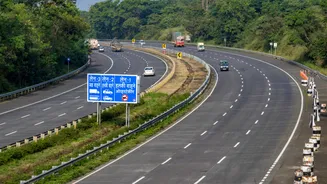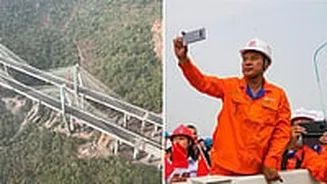





Days after Mumbai-Pune Expressway 'Missing link' opened for public, authorities have now issued strict guidelines for commuters on the stretch, banning
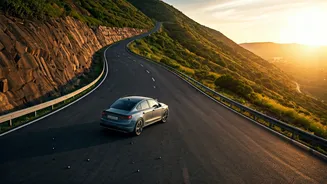
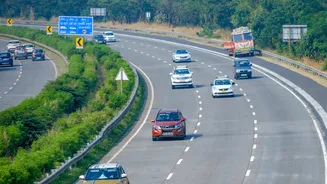
selfies and setting speed limits to prevent accidents. Authorities have issued a set of safety rules for commuters using the “Missing Link” stretch to ensure smooth traffic flow and reduce the risk of accidents. According to the advisory, stopping vehicles for selfies or photography on this route is strictly banned. Officials said such behaviour can lead to serious accidents, and those violating the rule may face penalties. Speed limits have also been fixed for different types of vehicles. Light motor vehicles can travel at a maximum speed of 100 kmph, while buses and other passenger vehicles must follow a lower limit of 80 kmph to maintain safety. To keep a close watch, the entire stretch, including tunnels and bridges, is under round-the-clock CCTV surveillance. Authorities have urged commuters to follow traffic rules and cooperate to ensure a safe and hassle-free journey on the newly developed route.
RELATED NEWS: Mumbai-Pune Expressway’s Missing Link Opens: Travel Time Cut by 30 Minutes
What Is The Missing Link?
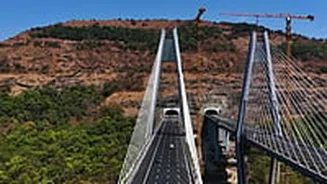
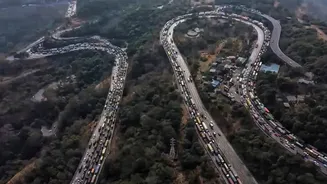
Spanning roughly 13.3 km, this new alignment is designed to bypass the most difficult ghat section of the existing route, particularly around the Khopoli–Lonavala stretch. Anyone who has driven this route knows the experience: sharp curves, heavy vehicle congestion, and unpredictable slowdowns, especially during weekends or monsoon months. The new link offers a straighter, more controlled path that significantly reduces both travel time and stress.
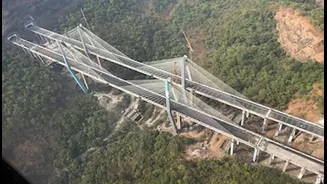
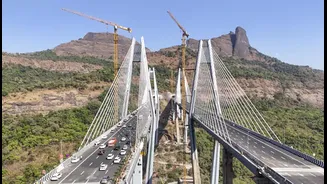
This project has two major tunnels and several long viaducts, built to cut through and rise above the rugged terrain rather than wind around it. These engineering choices are not just about speed, they also enhance safety. The older ghat section has historically been prone to accidents due to steep gradients and traffic bottlenecks. By offering a smoother gradient and more predictable driving conditions, the new stretch is expected to reduce such risks.