







What is the story about?
ISLAMABAD (AP) — Pakistan's political and military leaders are working diligently to revive ceasefire negotiations between the United States and Iran.
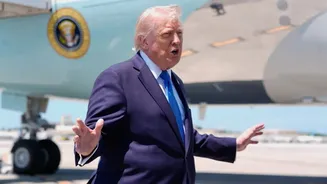
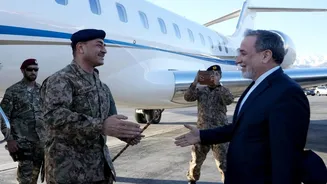
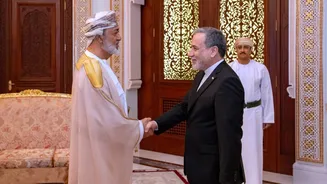
This effort follows President Donald Trump's directive to halt envoy travel to Islamabad for discussions this weekend, as reported by Pakistani officials. Iran's Foreign Minister, Abbas Araghchi, departed from Islamabad late Saturday but is anticipated to return before heading to Moscow, according to Iranian state media. His trip included a stop in Oman, which has previously acted as a mediator between the two nations, located strategically across the Strait of Hormuz.
Expectations and Challenges
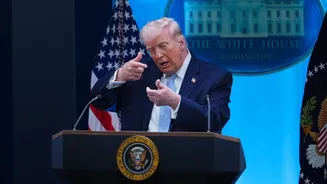
Two Pakistani officials indicated that the leadership was expecting Araghchi's return. However, they did not specify when the American envoys might return to the region. The White House had announced on Friday that it would send envoys Steve Witkoff and Jared Kushner to Islamabad for a second round of discussions. Shortly after Araghchi's departure was reported, Trump stated that he had canceled the mission due to insufficient progress with Iran, emphasizing, “They can call us anytime they want.”Ceasefire and Military Threats
Last week, Trump extended the ceasefire agreement initially reached between the U.S. and Iran on April 7, which has largely halted the violence stemming from joint U.S.-Israeli strikes that began on February 28. However, achieving a permanent resolution remains challenging, as the conflict has resulted in thousands of casualties and has significantly impacted the global economy.Strait of Hormuz and Regional Dynamics
A standoff persists at the Strait of Hormuz, a crucial global shipping lane, where Iran has limited maritime movement and the U.S. has enforced a blockade of Iranian ports. Iran aims to convince Oman to support a mechanism for collecting tolls from vessels passing through the strait, which is vital for the flow of oil worldwide.Iran's insistence on lifting the U.S. blockade before resuming talks has complicated mediation efforts led by Pakistan. The discussions in Oman have reportedly focused on issues related to the Strait of Hormuz. Meanwhile, Araghchi has also engaged in conversations with officials in Qatar and Saudi Arabia.
Indirect Talks and Ongoing Tensions
Iran's foreign ministry has indicated that any future negotiations would be conducted indirectly, with Pakistani officials acting as intermediaries. This approach reflects Tehran's caution following previous indirect discussions that resulted in military actions against Iran by the U.S. and Israel.The economic repercussions of the ongoing conflict are becoming increasingly apparent as global shipments of oil and other essential supplies face disruptions. Both parties continue to issue military threats, with Iran's military command warning of a strong response to any aggressive actions by the U.S.
Humanitarian Impact and Casualties
Since the onset of the war, the human toll has been significant, with reports indicating at least 3,375 fatalities in Iran and 2,496 in Lebanon. Additionally, 23 individuals have lost their lives in Israel, and numerous casualties have been reported in Gulf Arab states. The conflict has also claimed the lives of 15 Israeli soldiers and 13 U.S. service members in the region.A separate ceasefire involving Israel and Hezbollah has been extended by three weeks, although Hezbollah has not participated in the ongoing Washington-brokered negotiations.