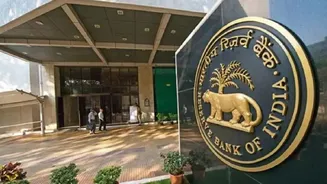








The Reserve Bank of India (RBI) could increase its benchmark repo rate to 6.25 per cent by the first half of 2027 as inflationary pressures remain elevated
and economic growth continues to show resilience, according to a report by Deutsche Bank. The projected move would mark a cumulative increase of 100 basis points in interest rates during the current tightening cycle. The bank expects the RBI to begin raising rates with a 25-basis-point hike in December 2026, followed by a further 50 basis points of increases during the first half of 2027. The outlook is more hawkish than prevailing market expectations, with the report pointing to economic growth above 7 per cent and inflation risks that could keep monetary policy restrictive. Deutsche Bank's projections indicate that the RBI could face increasing pressure to prioritise price stability over the coming quarters. Persistent inflation, coupled with stronger-than-expected economic activity, could prompt the central bank to tighten monetary conditions further. The report estimates that consumer price index (CPI) inflation will average 6 per cent in October-December 2026, before easing to 5 per cent in FY27 and 4.7 per cent in FY28. However, the inflation outlook remains vulnerable to further price increases. A potential rise in domestic fuel prices after Diwali could add to household expenses, while wholesale price inflation exceeding 11 per cent may result in higher input costs being passed on to consumers. Household inflation expectations have also climbed to 10 per cent from 8 per cent before the West Asia conflict. According to the report, this increase raises the possibility of second-round inflationary pressures, where initial price increases feed into broader costs and wages. India's GDP Growth May Stay Above 7% Despite Emerging Risks Despite the inflation challenges, Deutsche Bank expects India's real gross domestic product (GDP) to expand by more than 7 per cent in both FY27 and FY28. Nevertheless, the pace of economic activity could lose momentum in the second half of FY27. The report identified several factors that could weigh on growth, including elevated crude oil prices, the possibility of a below-normal monsoon and an unfavourable base effect following the previous year's goods and services tax (GST) rate cuts. Deutsche Bank also flagged vulnerabilities in the Indian rupee amid an uncertain global economic environment. Recent RBI measures temporarily reduced dollar demand and supported a recovery in the domestic currency to around Rs 94.50 against the US dollar. However, India's foreign exchange reserves have fallen by approximately $60 billion from their peak of $786 billion in early September. The bank expects the rupee to weaken beyond Rs 97 per US dollar during 2027 unless there is a meaningful improvement in global macroeconomic conditions. A further depreciation could add to imported inflation, particularly if international energy prices remain high. This would create an additional challenge for policymakers seeking to contain domestic price pressures while maintaining financial stability. On the fiscal front, Deutsche Bank expects the Centre to achieve its FY27 fiscal deficit target of 4.3 per cent of GDP. The projected outcome is expected to be supported by the RBI's dividend transfer and possible adjustments to government expenditure. However, the bank warned that maintaining the pace of fiscal consolidation could become more difficult in FY28. Elevated crude oil prices, rising subsidy requirements and the potential expenditure burden associated with the 8th Pay Commission could put additional pressure on government finances.