




What is the story about?
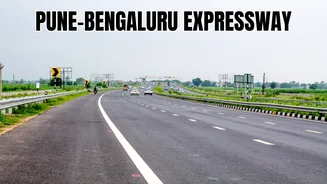
The proposed Pune–Bengaluru greenfield expressway is moving closer to final approval, with the central government expected to clear the project alignment
in the coming weeks. The highway has been included among 25 greenfield corridors planned under the Bharatmala Pariyojana, and officials say the approval process is now at an advanced stage. Once cleared, land acquisition will begin, followed by fast-tracked construction.
Project Details and Route
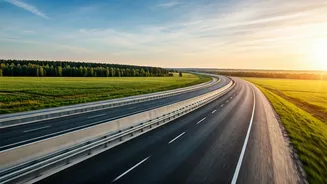
The expressway is expected to be around 700 km long and will have 6 to 8 lanes. The total project cost is estimated between Rs 45,000 crore and Rs 50,000 crore.
The route will pass through key districts in Maharashtra and Karnataka. It will begin from Pune, move through Satara and Sangli, and then enter Karnataka via Belagavi, Vijayanagara and Davanagere before reaching Bengaluru.
Travel Time to Reduce by Half
At present, travelling by road between Pune and Bengaluru takes around 14 to 15 hours due to heavy traffic, narrow stretches and congestion in several areas. Once the expressway is completed, the travel time is expected to reduce to nearly 7 hours. This will improve long-distance travel for passengers as well as boost efficiency for transport and logistics.
RELATED NEWS: Pune to Bengaluru in 7 Hours Soon? Delayed Since 2023, Greenfield Expressway Likely to Get Cabinet Nod in 2026
Officials say the expressway will not only improve connectivity but also support economic growth in the region. The corridor is expected to attract industries, warehouses, logistics parks and other businesses.
It is also likely to create job opportunities for people living along the route. Once completed, the 700-km, six-lane, access-controlled greenfield expressway is expected to dramatically cut travel time, allowing motorists to reach Bengaluru’s Satellite Town Ring Road (STRR) from Pune Outer Ring Road in just about seven hours.
With faster travel and better road infrastructure, the Pune–Bengaluru expressway is expected to become a key link between western Maharashtra and Karnataka, improving both passenger and commercial movement.